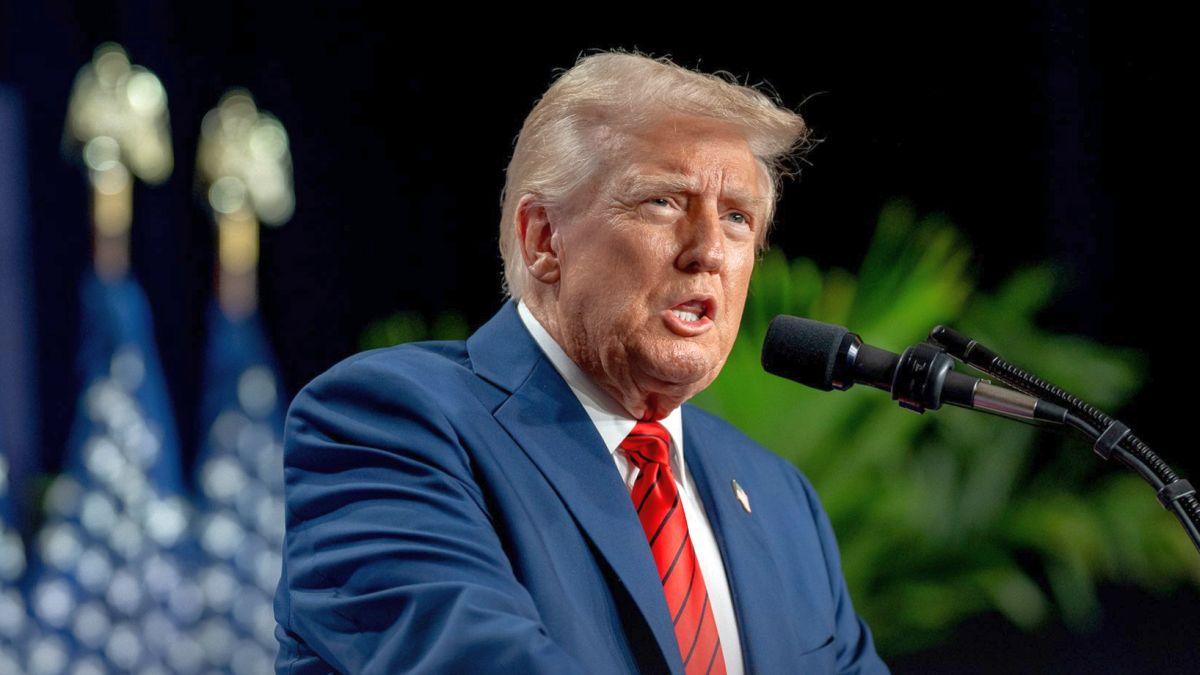
With US President Donald Trump continuing to upset the global apple cart and clumsily stepping on the toes of erstwhile allies, China is reaping benefits and hefting its own influence.
As Canadian Prime Minister Mark Carney said at the World Economic Forum in Davos in January: "It seems that every day we're reminded that we live in an era of great-power rivalry - that the rules-based order is fading, that the strong can do what they can, and the weak must suffer what they must."
The Canadian leader continued, "For decades, countries like Canada prospered under what we called the rules-based international order. We joined its institutions, we praised its principles, and we benefited from its predictability. And because of that, we could pursue values-based foreign policies under its protection." However, he acknowledged this order was built on false premises, that the strongest would always flaunt the rules. He described the world as being "in the midst of a rupture, not a transition". He added, "Allies [of hegemons] will diversify to hedge against uncertainty. They'll buy insurance, increase options in order to rebuild sovereignty, sovereignty that was once grounded in rules but will increasingly be anchored in the ability to withstand pressure." He said Canada was recalibrating its relationships. However, its diversification includes a new strategic relationship inked with China in mid-January. Whilst Carney painted it as an act of pragmatism, it shows the headway China is achieving in offering itself as a viable alternative to the USA.
 © 2026 Rediff.com - Advertise with us - Disclaimer - Privacy Policy - Sitemap - Feedback - About us - Terms of use - Grievances