In Operation Sindoor against Pakistan, the Indian Air Force used air launched cruise missiles, long range stand off weapons and loitering munitions of different types which "blinded, numbed and created a decision paralysis" in the Pakistan Air Force in four days forcing it to seek ceasefire with India said sources who were part of the decision making process during the operation.
In the four-day conflict, the Indian Air Force carried out operations in a clinical manner, which led to major destruction of the Pakistani Air Force on both ground and in the air, sources in the defence and security establishment told ANI.
The major action took place between the two sides on intervening night of May 9th-10th and continued till the afternoon of May 10th wherein air bases along the length and breadth of Pakistan were targeted by India conveying a strong message that "we (India) can go deep, we can go wide and you (Pakistan) can do nothing about it."
After India had attacked terror bases in Pakistan on the night of May 6th-7th, including the terror hubs in Bahawalpur and Muridke in Pakistani Punjab, the Pakistani side retaliated by firing missiles at military targets in India, which failed to leave a mark due to a strong multi-tier Air Defence system.
The Indian Air Force took the decision that in retaliation, it would first deal with the air defence network of the Pakistan Army which is deployed along the entire border with India including old American origin and Chinese radars and surface to air missiles of Chinese origin including the HQ-9s with maximum range of around 250 Km plus.
Sources told ANI that the Indian Air Force used multiple methods to deal with the air defence radars by targeting the radar stations situated in the Pakistani Punjab area, and 4-5 of them were taken out by the Harop and Harpy loitering munitions. The targets destroyed by the Indian weapons also include a launcher site of the Chinese air defence missile system.
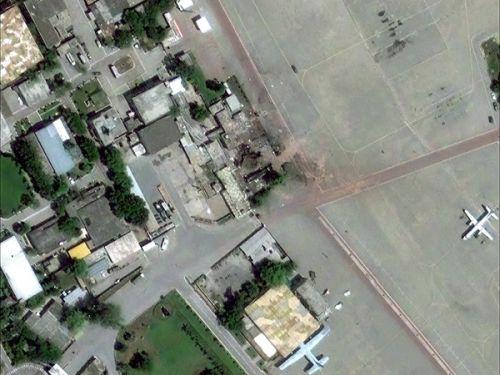
The targeting of the air defence network, including Lahore, created major gaps in the Pakistan Air Force's capability to monitor Indian activities from May 7th to 8th onwards. However, "blinded" by the destruction of its radar network in major areas, the Pakistani Air Force was still flying very deep within their territory to avoid the wrath of Sudarshan S-400, Saksham, Shaurya, Samar and Akash air defence missiles which had been deployed very strategically on the front, the sources said. The Pakistanis on May 8 evening responded with Turkish and Chinese drones to saturate Indian air defence networks but could not do so as the entire Indian air defence network from Siachen to Naliya was highly active including the small calibre L-70 and Zu-23 air defence guns which were doing major damage to Pakistani drone attacks along with the big air defence weapons of the Air Force and Army. The Indian Army was also causing major damage to the Pakistan Army and keeping it fully engaged in the areas opposite Jammu and Kashmir, using its artillery guns and rocket launchers overwhelmingly. The Indian Air Force on May 9th went in to aggressive mode by destroying the command and control (C2) centres of the Pakistan Air Force at the Chaklala, Sargodha and Murid air bases which were giving a battlefield picture to the Pakistan air defence networks which had been majorly affected by Indian attacks the day before that. The C2 centres at the three Pakistani bases were taken out by the three major weapons, including the world's fastest air-launched supersonic cruise missiles, Rampage and the Scalp. The Mirages, Rafales, Su-30s and the MiG-29s have been equipped with these missiles in the last 5-10 years. The extensive damage caused to the three command and control centres "numbed" the Pakistani Air Force as they were not able to communicate or see the complete battlefield picture as there was no link between the Advanced Early Warning and Control system aircraft of PAF and their ground stations and the fear of Sudarshan from the May 6-7 night had forced them to go deep within a narrow Pakistan air space and hiding behind civilian aircraft was being adopted as deliberate tactics by them.
 © 2025 Rediff.com - Investor Information - Advertise with us - Disclaimer - Privacy Policy - Sitemap - Feedback - About us - Terms of use - Grievances