

Sholay's Basanti is the face of women's empowerment and gender equality. That's why, half a century after the movie first released, we're still talking about her.
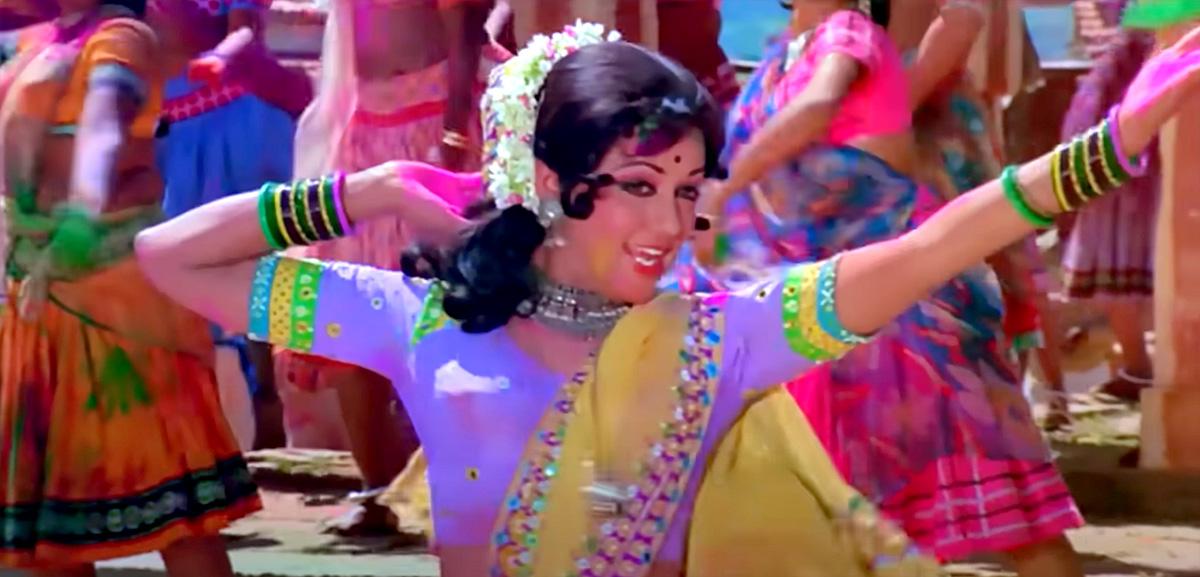
Sholay, India's most celebrated blockbuster, completes 50 glorious years. Released in 1975 and etched into the nation's cinematic memory, Ramesh Sippy's epic was more than just a dacoit drama; it was a gallery of unforgettable characters.
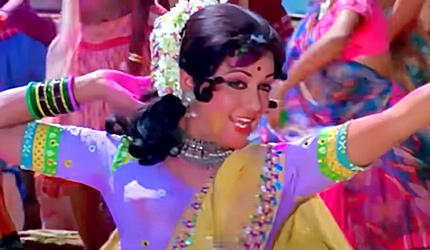
Among them, one stood out not only for her chatterbox charm but for her strength, grit and self-reliance -- Basanti, played with infectious energy by Hema Malini.
Here's a look at why Basanti remains the epitome of a modern, independent woman even today.
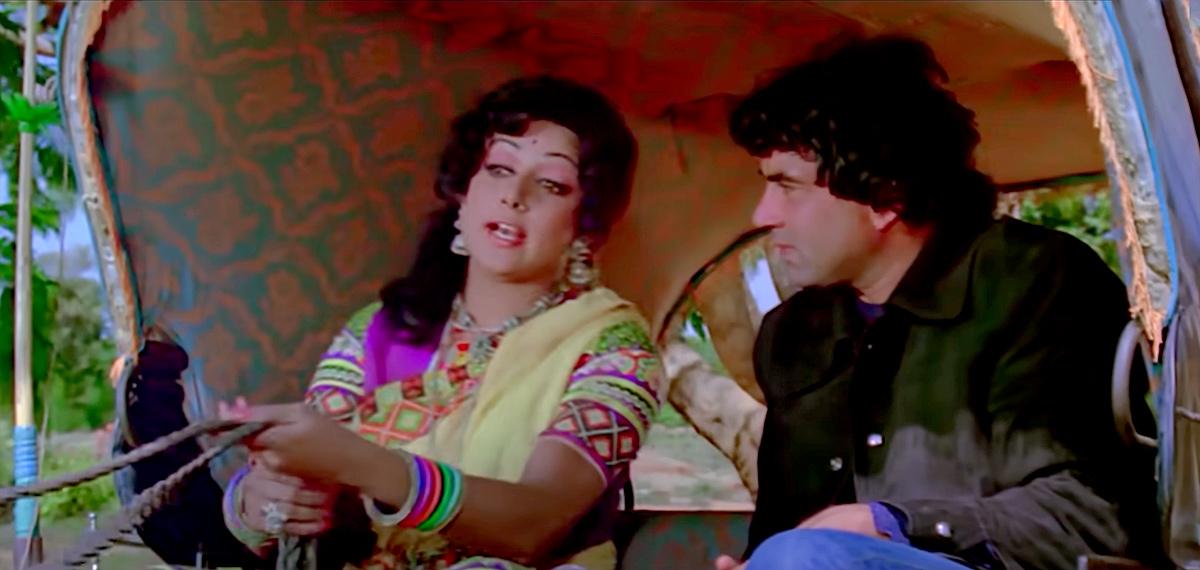
1. She earns her own living
Long before 'financial independence' became a buzzword, Basanti was already practising it.
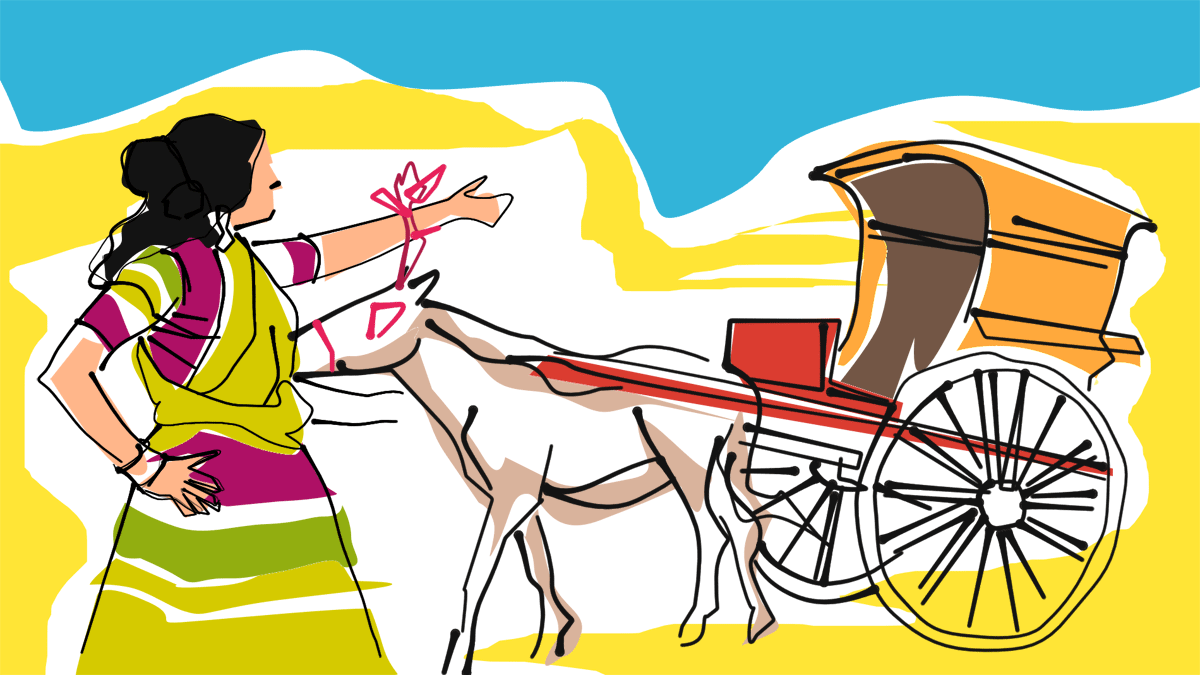
Driving her tonga -- a role otherwise reserved for men in Hindi movies (in fact, we cannot remember any other Hindi film heroine playing a tonga driver; do correct us if we are wrong) -- through the dusty lanes of Ramgarh, she is not afraid to take the road less travelled... many times, literally.
At a time when female characters in Hindi cinema were often confined to the domestic sphere, Basanti's economic independence symbolises autonomy, resilience and the ability to stand on her own feet.
She doesn't depend on anyone to put food on her table or to define her worth.
2. She isn't meek
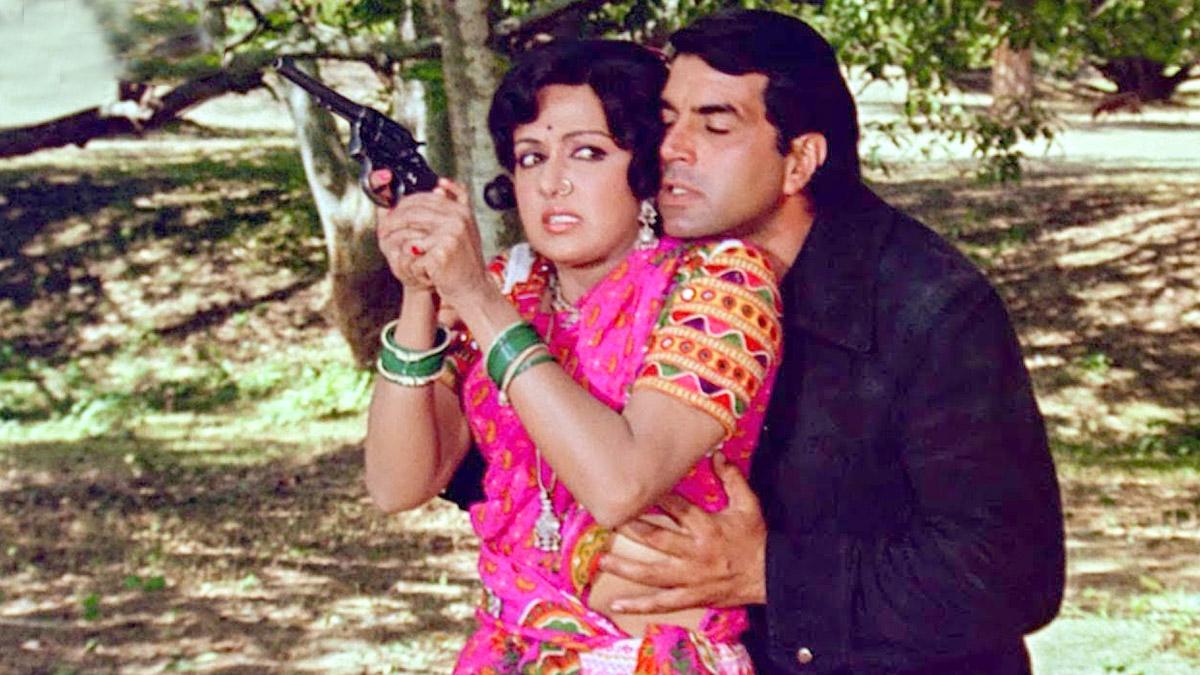
Even with the love of her life, Veeru, Basanti is never the meek village belle.
In the playful yet telling scene where he tries to woo her under the pretext of teaching her to shoot, she refuses his advances.
Basanti is fiery, sets her own pace and makes it clear she will not lose her individuality just because a man is interested in her.
While it seems like light-hearted banter, it also signals that Basanti knows how to hold her ground.
She is a woman who is comfortable in her skin and unafraid to assert boundaries.
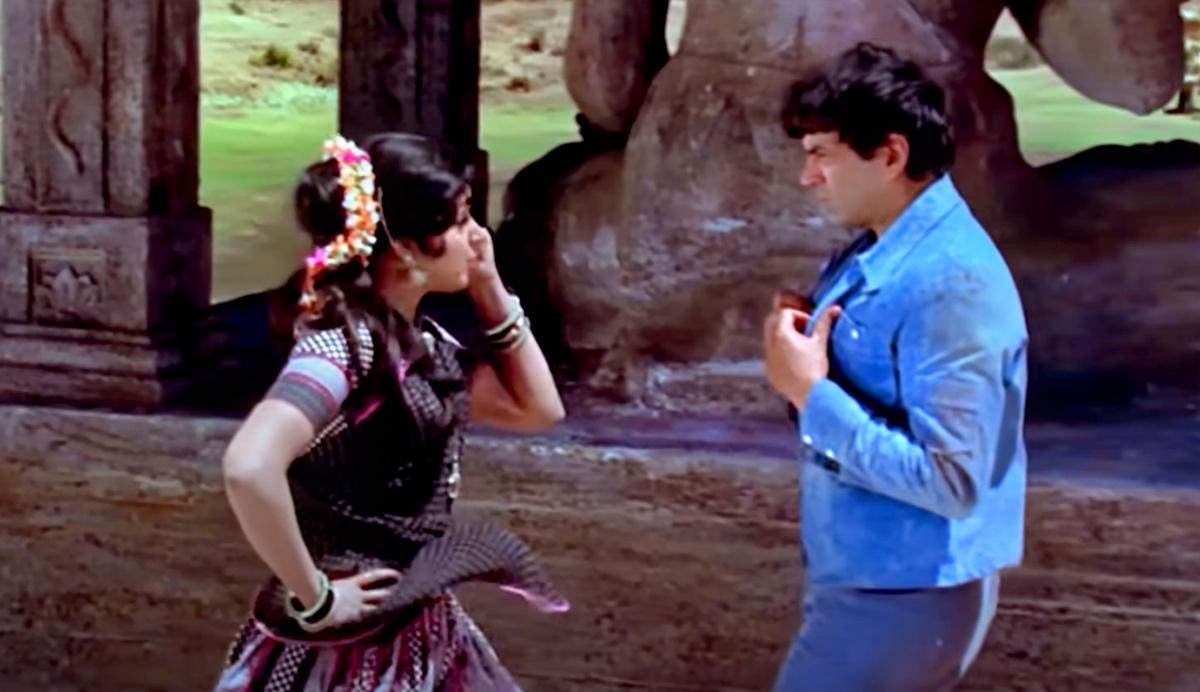
3. Veeru and she have an equal relationship
The Basanti-Veeru relationship is refreshingly balanced for its time.
Veeru adores her but she isn't a passive love interest. She teases him, argues with him and made her own decisions about their future.
There is mutual respect and she is never reduced to mere arm candy.
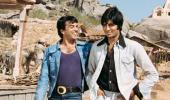
In a film that has towering male performances -- Sanjeev Kumar as Thakur, Amjad Khan as Gabbar Singh, Amitabh Bachchan as Jai, Dharmendra as Veeru -- Basanti carves her own space, showing that relationships work best when both partners stand shoulder to shoulder.
4. She knows how to nurture relationships
Basanti's warmth extends beyond romance.
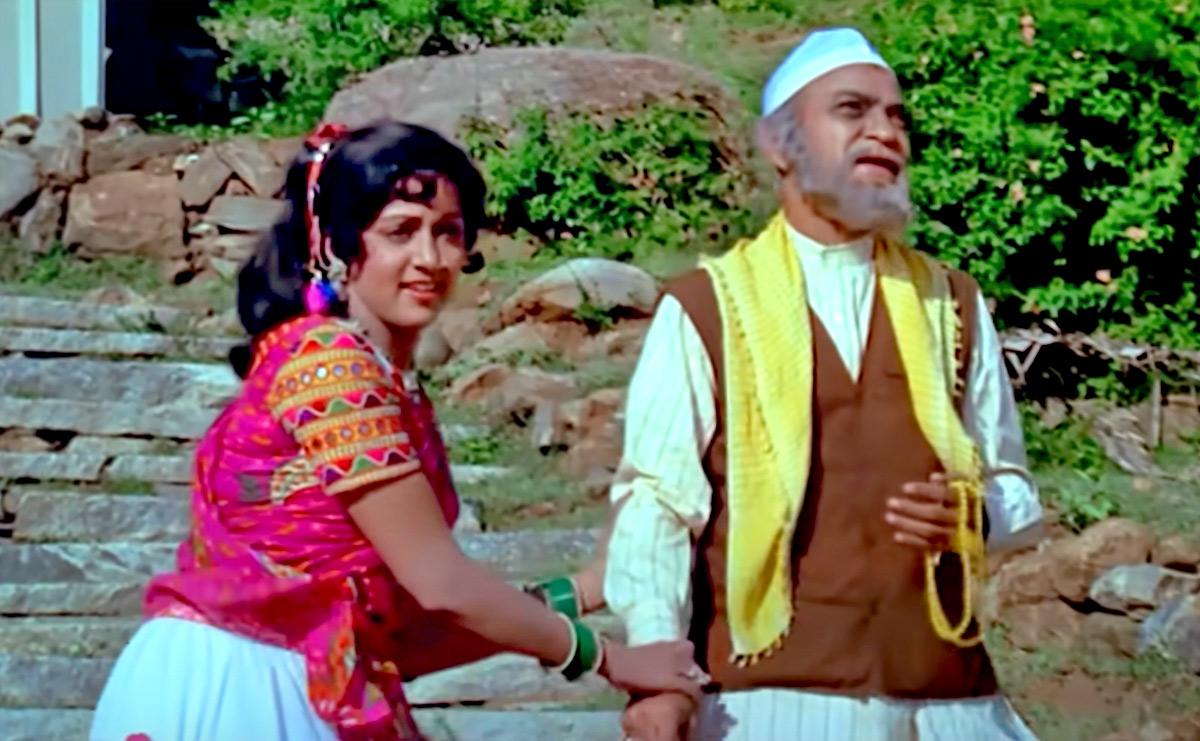
She has easy, affectionate bonds with many characters -- whether it is chatting with Jaya Bhaduri's Radha, showing respect to elders like A K Hangal's Imam Saab or being playful with younger villagers like Sachin's character, Ahmed.
Her ability to connect across generations and personalities reflects her emotional intelligence -- a quality as valuable as any professional skill.
She understands that kindness and consideration don't require much effort but mean the world to the person receiving them.

5. When in trouble, she fights back
Basanti's courage shines most brightly in the tense pre-climax scene when she is captured by Gabbar's gang.
Surrounded by armed dacoits and facing certain danger, she urges her horse with the now-iconic line, 'Chal Dhanno, aaj tere Basanti ki izzat ka sawal hai.'
It's a moment of defiance, not despair -- her instinct is to fight back, to protect herself and to escape on her own terms.
This scene strips away the helpless heroine trope and replaces it with a spirited refusal to surrender.
Even in the face of overwhelming odds, Basanti refuses to wait for rescue. She relies on her wit, her nerve and her own resourcefulness -- qualities that are empowering and refreshingly modern half a century later.
6. She fights back when she needs to
While she isn't a trained fighter like Veeru or Jai, Basanti's spirit is unshakable.
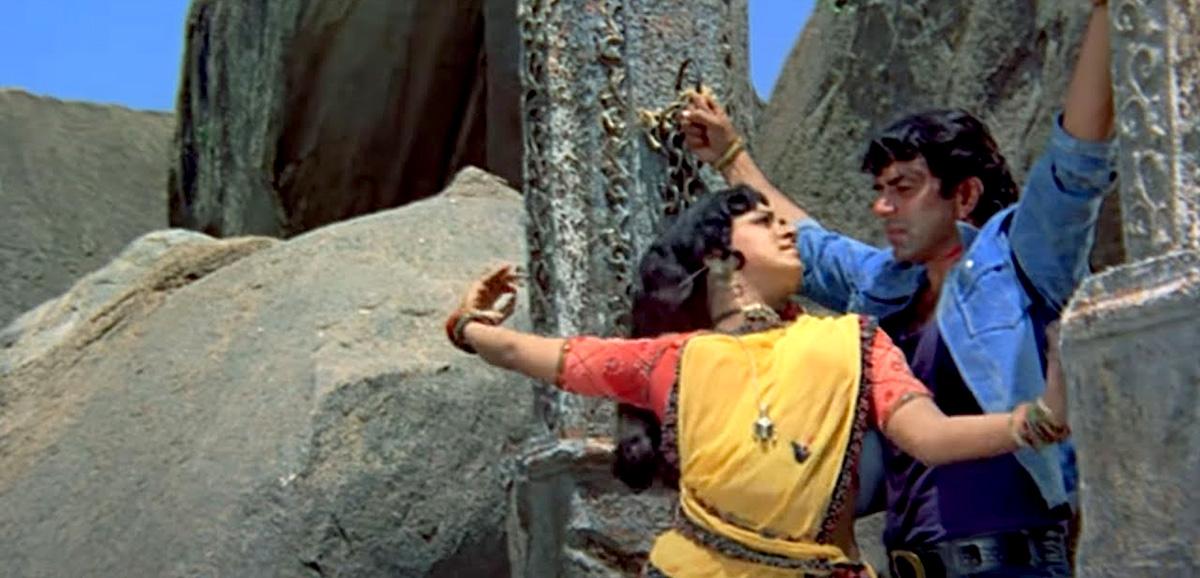
In moments of danger, she displays courage under fire -- most famously in the Jab Tak Hai Jaan song. Forced to keep dancing on broken glass to save Veeru's life, her endurance is not just physical but emotional.
She refuses to collapse or surrender, proving that bravery isn't about wielding a gun but about holding your ground when it matters most.
7. She's both adaptable and resilient
Life in Ramgarh isn't predictable; neither are the challenges Basanti faces.
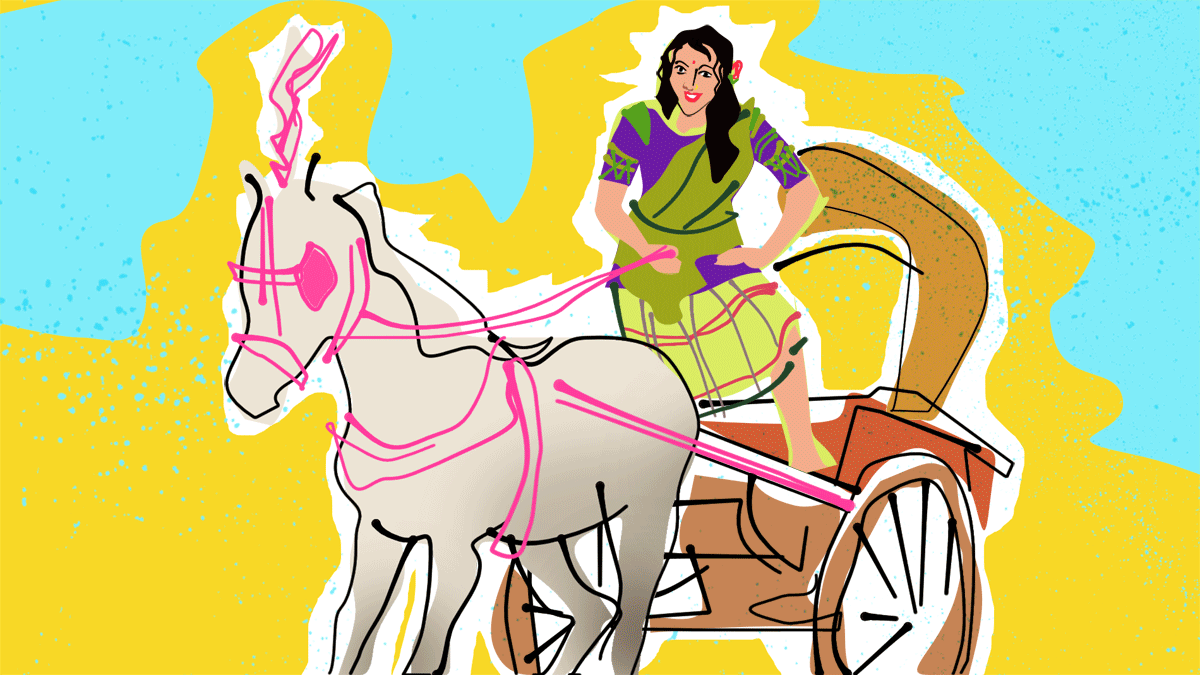
Whether it is navigating dangerous terrains with her horse, Dhanno, humouring Veeru as he indulges in emotional antics or enduring Gabbar Singh's cruelty in the climax, she adapts swiftly.
Her resilience lies in her ability to read the moment and respond -- not with blind defiance or meek submission but with a strategic blend of courage, humour and patience.

8. She broke Bollywood's definition of the typical heroine
In the mid-70s, Bollywood heroines often fell into two extremes: the decorative beauty or the sacrificial figure.
Basanti is neither.
She is fun-loving yet responsible, romantic yet fiercely self-reliant.
She embodies the idea that a woman can be multi-dimensional -- strong without losing her softness, independent without rejecting companionship and outspoken without being reckless.
For a film released in 1975, this portrayal is strikingly modern, showing a heroine who insists on being treated as an equal partner rather than a passive love interest.
Fifty years on, Basanti's appeal hasn't dimmed. She reminds us that independence is not just about earning your own money but also about defending your dignity, nurturing relationships and standing tall when faced with adversity.
Mainstream Bollywood still struggles with how to portray layered female characters; Basanti remains a timeless example of how to do so effectively.
As we celebrate Sholay's golden jubilee, it's worth remembering that while Gabbar Singh became the face of fear, Basanti became the face of empowerment and gender equality. And that's why, even half a century later, we're still talking about her.







 © 2026