
Elihu Yale rose up the ranks of the East India Company to become governor of Madras and is the controversial benefactor after whom the famed Yale University is named.
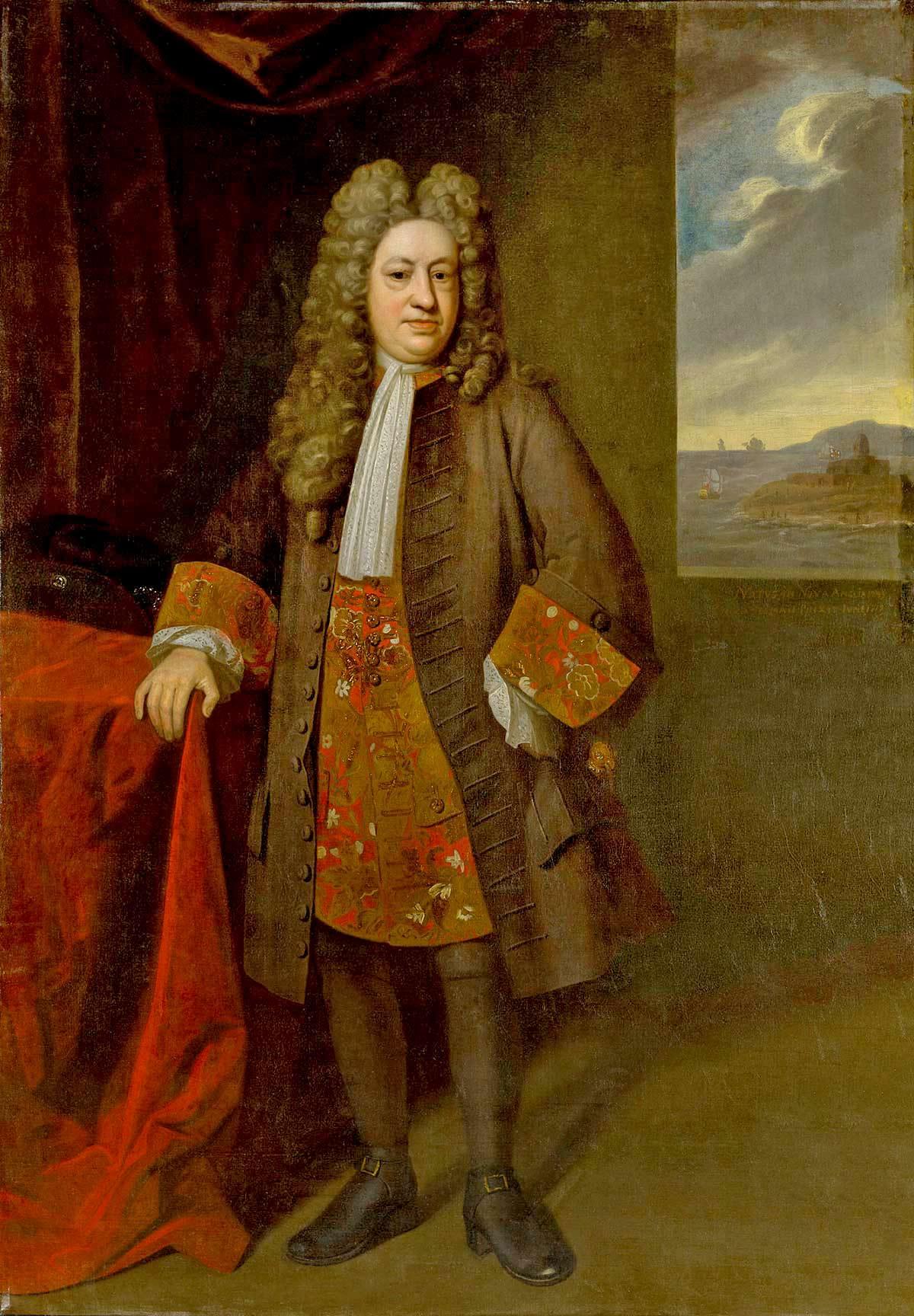
Elihu Yale, the controversial benefactor after whom one of the world's premier universities is named, was a resident of Madras for nearly thirty years.
Yale arrived at Fort St George after a six-month voyage and began life in Madras as a clerk for the East India Company.
He rose up the ranks to become governor of Fort St George, the fortress that served as the lucrative outpost of the East India Company in 1687.
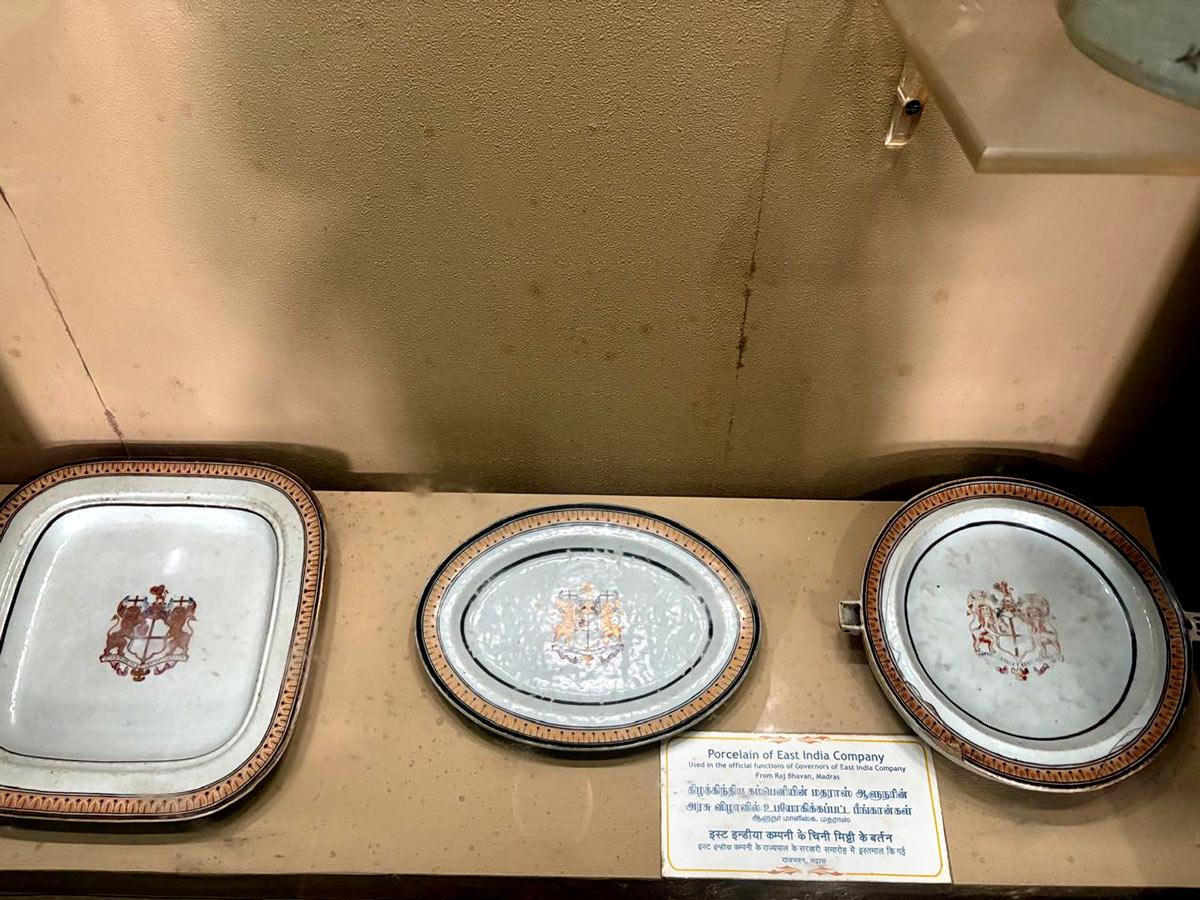
His name pops up in the museum at Fort St George where among the displayed porcelain and silverware used by the Nawabs of Arcot and East India Company are pieces donated by Elihu Yale.
Five years after becoming governor, Yale was removed for corruption and misappropriation of company funds. He was forced to pay a fine for his misdemeanour, but still managed to make a sizeable fortune.
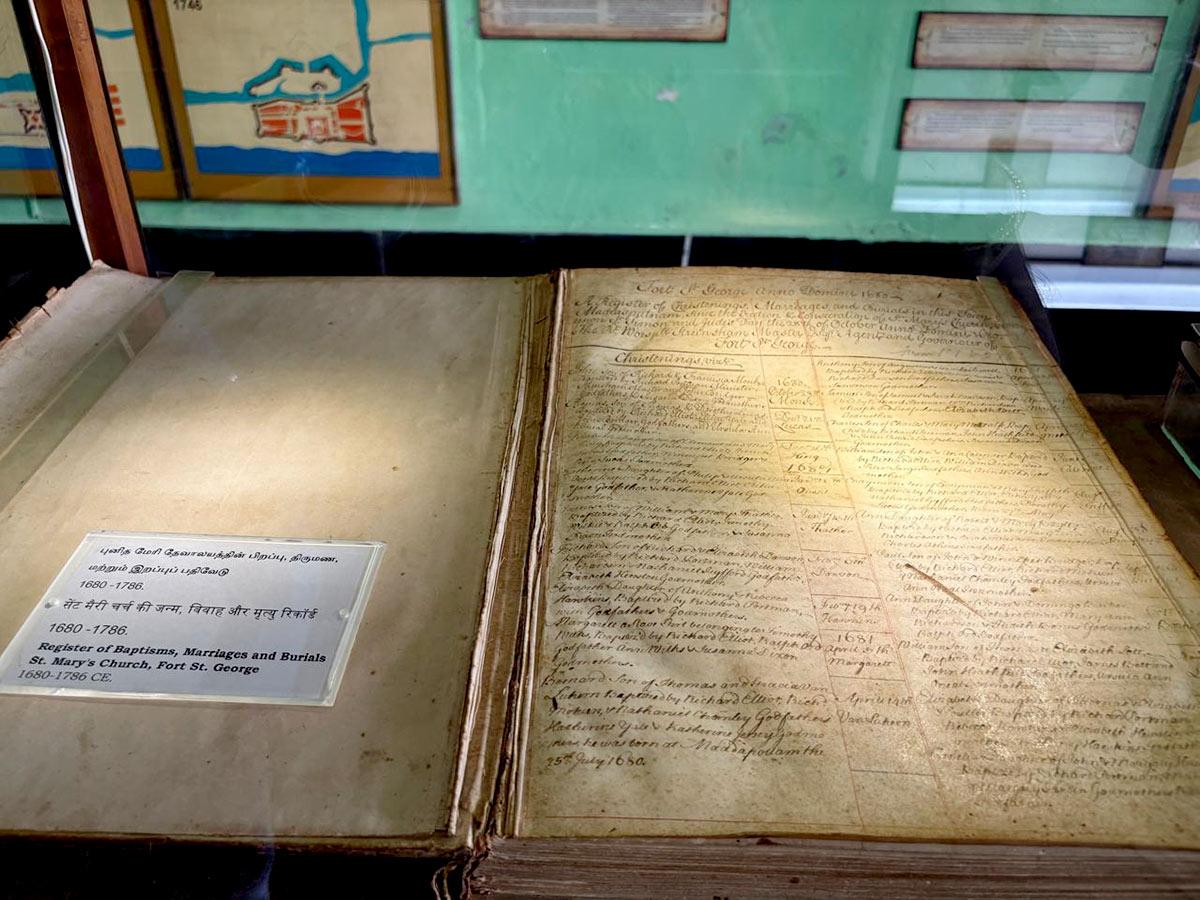
In the fort complex is the St Mary's Church, the oldest church built by the British in India. The first wedding to be registered in the church was Elihu Yale's with Catherine Hynmers, a widow.
An American by birth, the Boston-born Yale moved to England as a child.
He returned to England from India in 1699 as a very rich man and set himself in a grand mansion in London. He became a successful diamond trader.
In 1713, he donated 32 books to the Collegiate School at Saybrook, the precursor to Yale. He made another donation in 1718 when he got the hint that the school which had by then moved to New Haven could be named after him if he made a second donation.
Yale sent hundreds of books, rich textiles, merchandise from the east and a portrait of King George I. On his instructions, the school sold the gifts for 800 pounds to construct a three-storied building called Yale College.
The institution was named Yale University in 1745, the third oldest university in America.
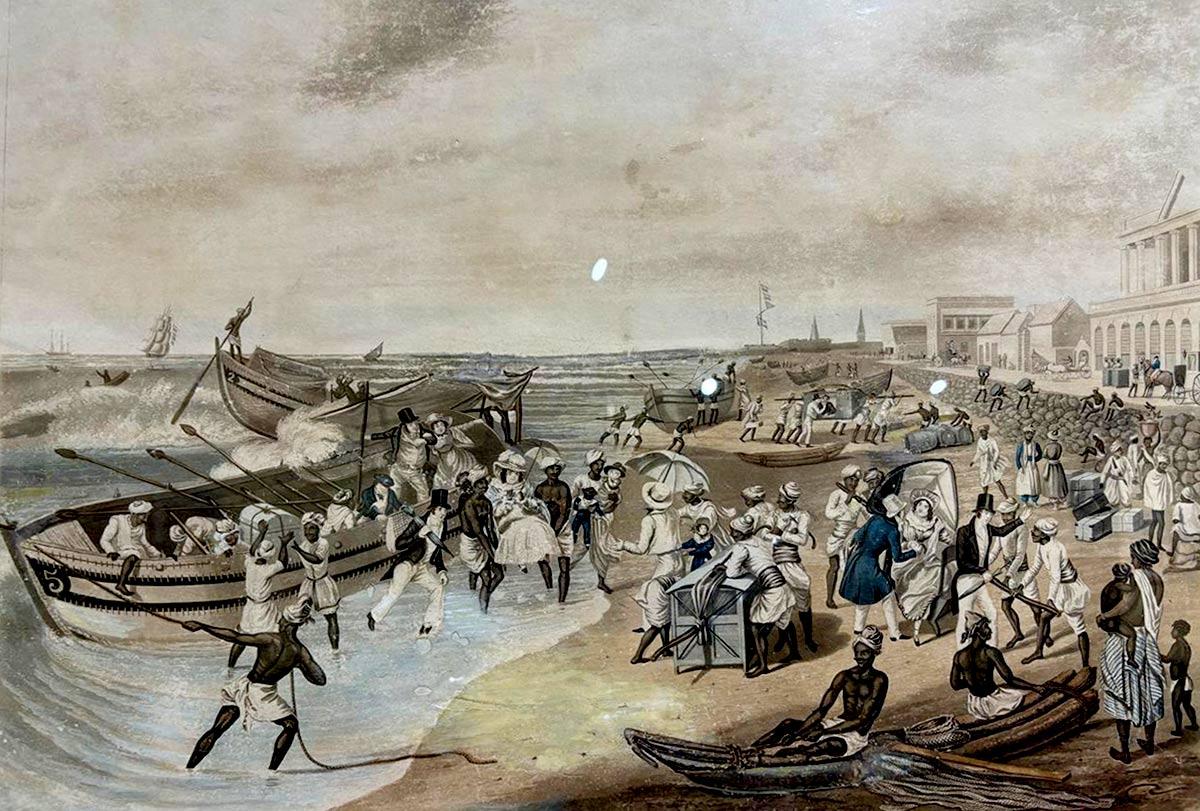
Minutes of the East India Company's correspondences which were made available digitally in 2022 and investigations by later historians reveal that Elihu Yale had links with the slave trade.
The university launched the Yale and Slavery Research Project in 2020 to investigate the institution's historical involvement with slavery.
'Some portion of Elihu Yale’s fortune is derived from his commercial entanglements with the slave trade. As the governor of Madras for the East India Company, he had a direct role in the trafficking of enslaved people,' read the report.
Yale University issued an apology in February last year 'for the ways that Yale's leaders, over the course of our earlier history participated in slavery.'
The project quotes a statement by Franklin Dexter on Elihu Yale, saying, 'he left a record of arrogance, cruelty, sensuality, and greed.'









 © 2025