
According to Mr Babar, within four days of this interview the Mumbai terror attack was underway, bringing the two countries closest to war in years -- 'The warmongers shattered Zardari's dream of peace with India'.

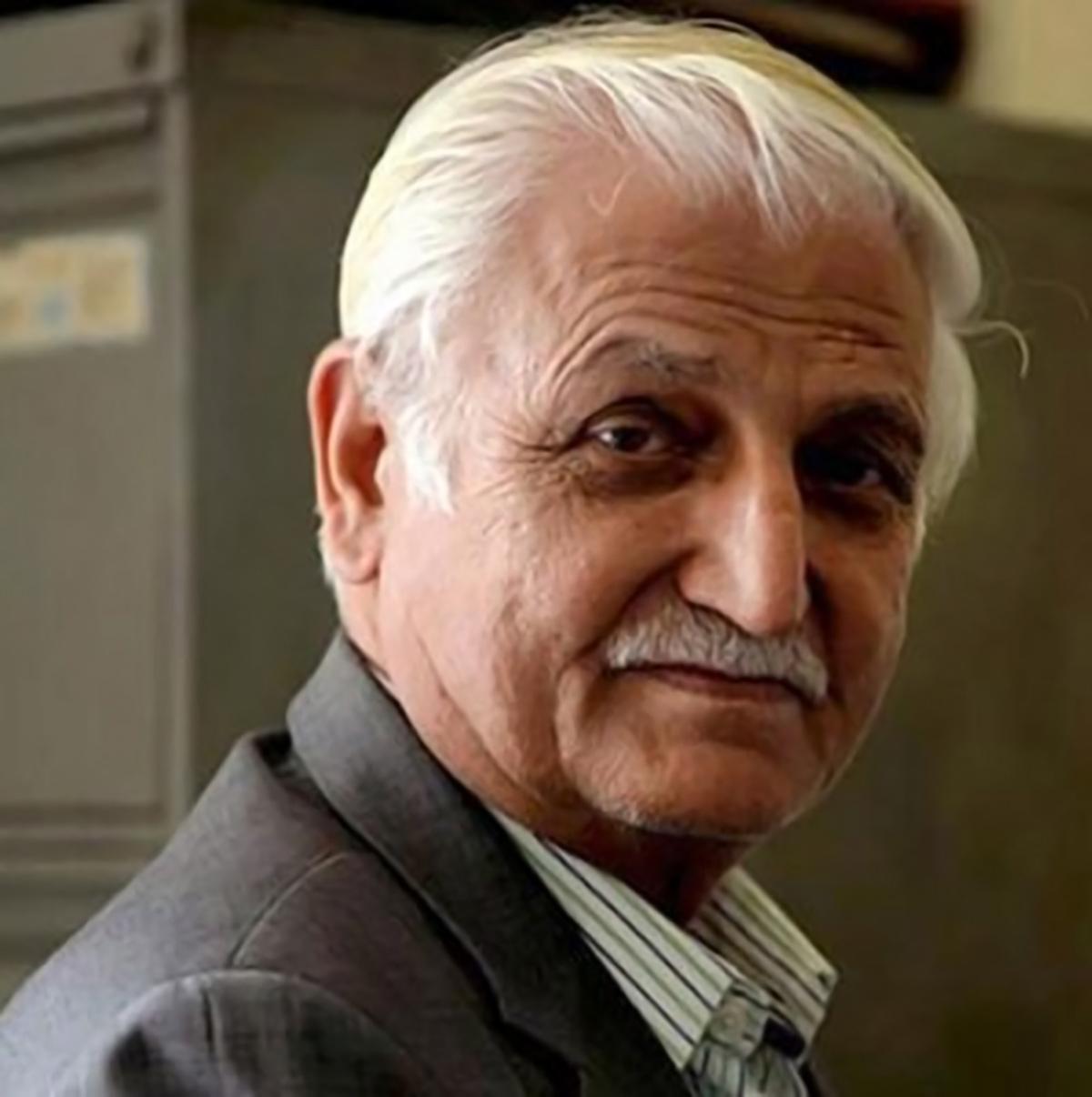
Farhatullah Babar is well known in Pakistan as an intellectual and politician with strong loyalties to the Pakistan People's Party (PPP).
During Prime Minister Benazir Bhutto's tenure in the 1990s, he was her speech writer and spokesperson. He has been a member multiple times of Pakistan's upper chamber or senate.
Within Pakistan's political spectrum, he stands out as a prominent liberal voice who has consistently sought to reduce the role of the military establishment in political matters and equally as a strong and passionate advocate of human rights and democratic values.
He was the PPP spokesperson when Benazir was assassinated in December 2007.
To his surprise, Asif Ali Zardari, who emerged as Benazir's principal legatee as her husband and father of her children, asked him to stay on in the job.
In the political churn of the post-assassination situation, Mr Zardari catapulted himself to the presidency in September 2008 as General Pervez Musharraf was forced to resign rather than face the humiliation of certain impeachment.
The PPP had in the meantime won the general election and formed the government.
Mr Babar was again surprised when Mr Zardari asked him to become the president's spokesperson.
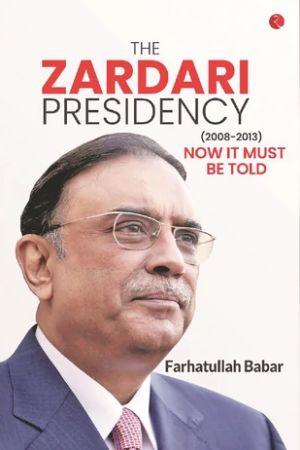
This book -- The Zardari Presidency (2008-2013): Now It Must Be Told --is Mr Babar's account of Mr Zardari's five years as president from 2008 to 2013. This was a tumultuous period of Pakistan's history.
Certainly, for the outside world, two transformative events of the time were the Mumbai terrorist attacks of November 2008 and then the assassination of Osama bin Laden in May 2011.
Yet this period was a fraught time for other reasons also.
In Mr Babar's recollection, the events that shaped this phase were: 'The deep state breathing down Zardari's neck; a partisan Chief Justice hounding him; fabrications and intrigues like MemoGate post the OBL disaster to make Zardari the scapegoat and pushing him to the brink; and of the troops of 111 Brigade thudding into the Presidency at night to browbeat a defiant Zardari'.
If this book has a single theme, it is that of a particular phase of Pakistan's endemic and long-running civil-military conflict.
But other details are equally fascinating: How the bin Laden raid was received in Pakistan's political circles; different perceptions regarding the iconic but controversial Chief Justice Iftikar Chaudhury whom Mr Zardari never trusted; the US role in different crisis situations in Pakistan and background regarding the once prominent Raymond Davies affair; how Musharraf, by resigning to escape impeachment, ensured that details of his, and others, involvement in AQ Khan's proliferation network did not enter the public domain and so on.
The book also conveys a sense of just how complicit many prominent politicians are in the military's machinations to stay on top of the political process and the unapologetic veniality of the deals struck in the process.
Mr Babar relates he accepted Mr Zardari's offer to be the presidential spokesperson with some misgiving.
Although he had been a close and loyal aide to Benazir Bhutto, his relationship with Mr Zardari was negligible.
His account suggests that he began as a Zardari sceptic.
This is hardly surprising given Zardari's poor image and the numerous allegations of corruption and even worse against him.
Mr Babar's book also amounts to an account of how these initial impressions gradually changed and how he came to appreciate Mr Zardari's positive qualities -- of loyalty to friends, and political patience and forbearance.
In his words, his book '... seeks to delve into the extraordinary Presidency of a man who defied the odds, endured jeers and ridicule, and navigated a treacherous course in dealing with the ambitious elements within the state apparatus distrustful of democracy and democratic institutions.'
Perhaps this revisionism was overdue. It certainly helps us to understand Mr Zardari's staying power and explain how after a gap of over a decade Pakistan's civil-military contortions catapulted him to the presidency in 2024.
Mr Babar's reputation is such that one may readily grant that whatever he has stated is accurate, at least in the way he knows it.
There are areas he does not touch in any detail and here his silences are also informative.
So, in a book that otherwise has a fair amount of detail on President Zardari's forays into foreign policy, readers in India will be disappointed at the dearth of references to India-Pakistan relations.
No doubt this was a conscious choice. The few cryptic remarks on India are, however, interesting.
Mr Babar notes Mr Zardari's failure to make use of the opportunity of the bin Laden raid or the Mumbai terror attack to revamp Pakistan's security and intelligence agencies.
Elsewhere, he points to the consternation that followed a statement to an Indian journalist by the president soon after taking over that Pakistan was willing to discuss a 'No First Use' of nuclear weapons with India.
According to Mr Babar, within four days of this interview the Mumbai terror attack was underway, bringing the two countries closest to war in years -- 'The warmongers shattered Zardari's dream of peace with India'.
Readers of the book can decide for themselves whether or not this causality is plausible; it is certainly reflective of the murky currents that embed Pakistan's India policy.
Photographs curated by Manisha Kotian/Rediff
Feature Presentation: Aslam Hunani/Rediff








 © 2025