

The Delhi Juvenile Justice Board has refused bail to two minors implicated in a Holi killing, citing concerns over public safety, potential community unrest, and the minors' own well-being, emphasising the importance of rehabilitation under the Juvenile Justice Act.
Key Points
- Delhi's Juvenile Justice Board denied bail to two minors involved in a Holi-related killing, citing potential threats to public peace.
- The court emphasised the minors' safety and rehabilitation under the Juvenile Justice Act as primary concerns.
- The JJB highlighted the risk of community tension and potential retaliation if the minors were released.
- The decision prioritises the 'best interest of the child' principle, ensuring their protection and structured support.
- The court acknowledged the impact on the minors' education but prioritised safety and rehabilitation due to credible risks.
The Juvenile Justice Board (JJB) here has denied bail to two minors who were arrested in connection with the killing of a man during a clash between two families on Holi in southwest Delhi's Uttam Nagar.
On March 4, 26-year-old Tarun died after being injured in a clash between two neighbouring families of different communities. The altercation was triggered after a water balloon thrown by a girl from one community accidentally hit a woman from the other.
While hearing the bail applications filed by the two accused minors, presiding officer Chitranshi Arora said that their release could "disturb public peace, and undermine public confidence in the justice delivery system".
Their release could also expose them to physical and psychological danger, it said.
In its order dated April 9, the board said, "The premature release of the CCLs (Children in Conflict with Law) who are named and alleged participants in the incident is likely to aggravate the prevailing situation, disturb public peace, and undermine public confidence in the justice delivery system."
The JJB noted submissions of the investigating officer that the incident triggered tension between communities in the area and had a pronounced impact on public order and social harmony.
It said the continued protective custody of the minors was not punitive but necessary to secure their care, protection, psychological stability and rehabilitation, which are integral to the concept of justice under the Juvenile Justice Act, 2015.
"This board also finds that the release of the child litigants (minors) at this stage is likely to expose them to physical and psychological danger. The community tension arising out of the incident...indicates a real and tangible risk of retaliation, intimidation, or emotional harm, which the board cannot ignore," it said.
While acknowledging concerns about disruption of the minors' education, the board said such considerations could not override issues of safety, protection and rehabilitation when credible material suggested that release could be detrimental.
"The principle of the best interest of the child remains the guiding star of all decisions under the JJ Act," the board said, adding that continued protective custody would ensure their safety, counselling, education and medical needs in a structured environment.
The JJB said that granting bail at this stage could expose the minors to harm and defeat the ends of justice under the rehabilitative framework of the Juvenile Justice Act, and accordingly rejected their bail pleas.
"This board is satisfied that their release at this stage would... defeat the ends of justice as understood within the rehabilitative and protective framework of the Juvenile Justice Act, 2015," it said.
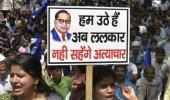
Earlier, the incident triggered protests by some groups, during which two vehicles linked to some of the accused were set on fire. Police have since arrested multiple accused in connection with the case.







 © 2026