

'Most pollution boards across the country have unused funds. There is practically no reason why pollution should not be a political priority.'
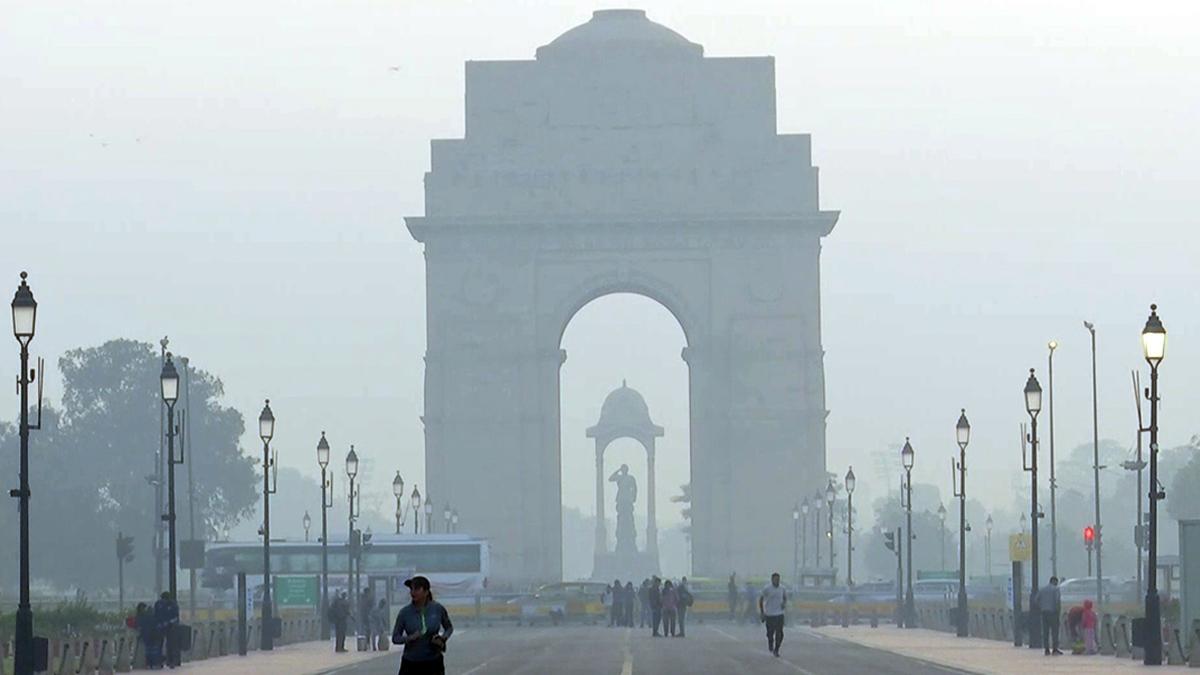
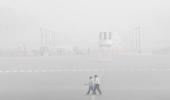
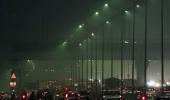
November 22 marked another significant day in Delhi's fight against its most enduring enemy -- air pollution.
A day after the Supreme Court asked the Commission for Air Quality Management (CAQM) to reconsider the Graded Response Action Plan (Grap), CAQM introduced major tweaks to pollution control measures.
Under the reforms, some restrictions under Grap-IV will now be implemented at the Grap-III level, including provisions for work-from-home and 50 per cent office capacity.
Similarly, some Grap-III measures will now come into effect at the Grap-II stage.
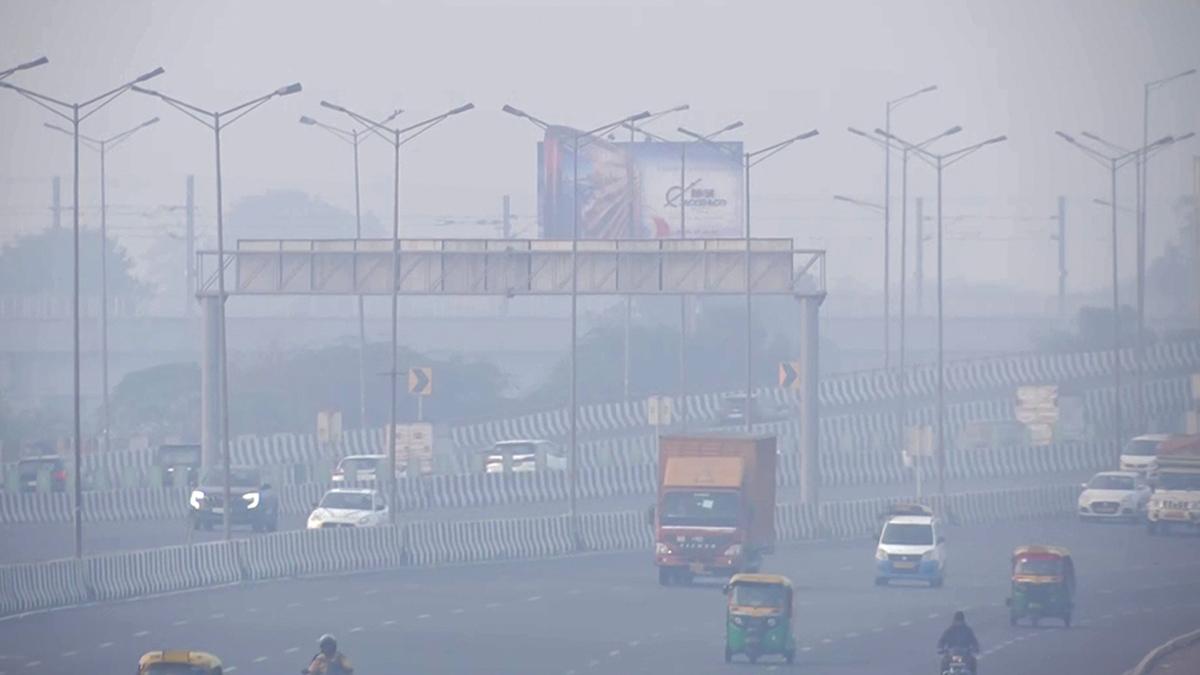
This comes after Delhi's air quality index (AQI) has remained above 350 every day since November 11, when Chief Minister Rekha Gupta introduced Grap-III measures.
The Grap-III implementation followed protests by city residents on November 9.
"We have plans like the National Clean Air Programme and Grap. They are impactful, but implementation is often delayed and short-sighted," says Mohan P George, former additional director at the Delhi Pollution Control Committee.
These delays and the lack of scientific backing reflect a broader lack of political will to tackle the issue, adds George.
Delhi's crisis is recurring and increasingly fatal.
According to data from the Global Burden of Disease, air pollution accounted for nearly 15 per cent of all deaths in Delhi in 2023.
Since 2016, schools have had to shut for a week almost every year due to severe AQI levels, and crores have been lost due to halted construction projects and disrupted supply chains.
"Those who can afford it are buying air purifiers; all government offices and policymakers have them. Since the crisis is being addressed at an individual level, it fails to become a larger priority," says political analyst Ankit Lal.
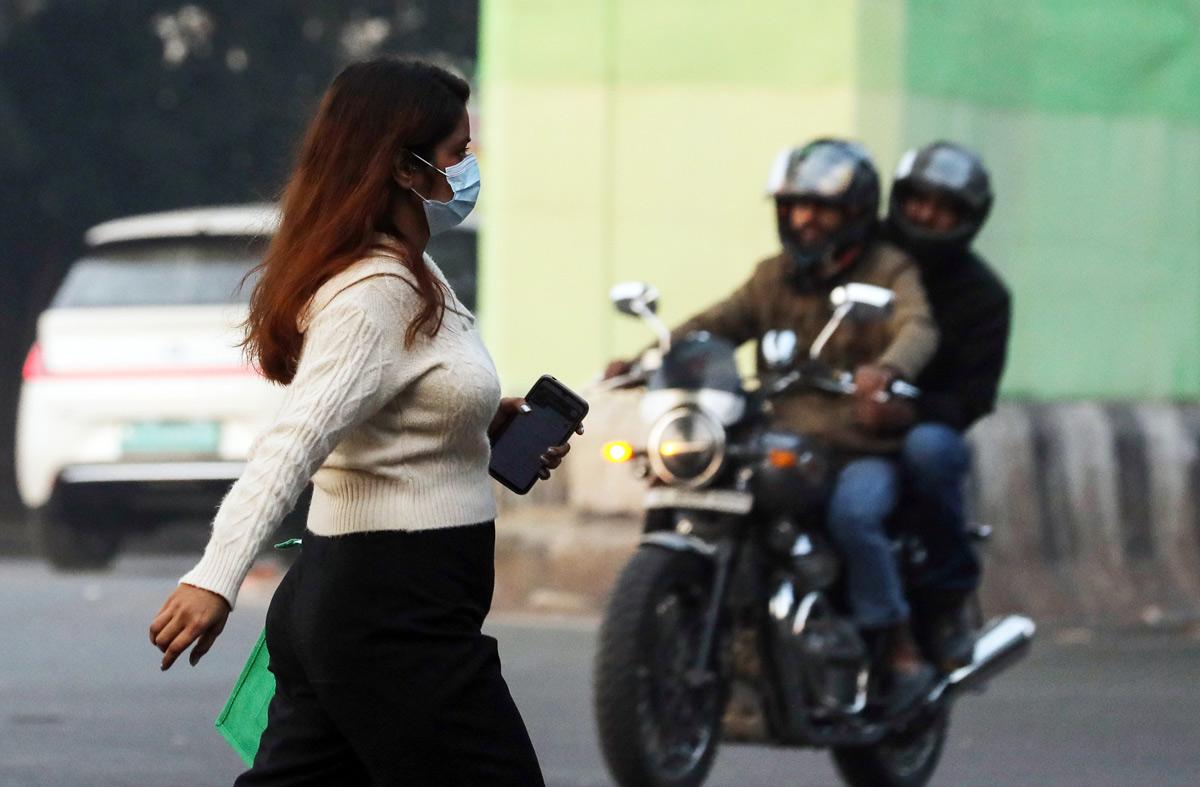
Experts emphasise that air pollution is the result of years of soft approaches and mismanagement by successive governments.
In June this year, the Central Pollution Control Board (CPCB) disclosed that it had used only 1 per cent of the Rs 45.8 crore environment cess accumulated over eight years.
In an RTI response, CPCB also acknowledged using only 31 per cent of the environmental pollution charge collected during the previous decade.
"Most pollution boards across the country have unused funds. There is practically no reason why pollution should not be a political priority," says environmentalist Bhavreen Kandhari.
While acknowledging that the underprivileged face immediate survival challenges, she adds that only the government can raise awareness of pollution's consequences, as their exposure to poor air quality is far higher.
"Until then, the urban class will have to lead this fight," Kandhari says.
Attempts to manipulate key parameters like AQI are hampering effective policymaking, says Vimlendu Jha, founder of environmental NGO Swechha India.
"The first step in solving this problem is to stop undermining it through data tampering," he adds.
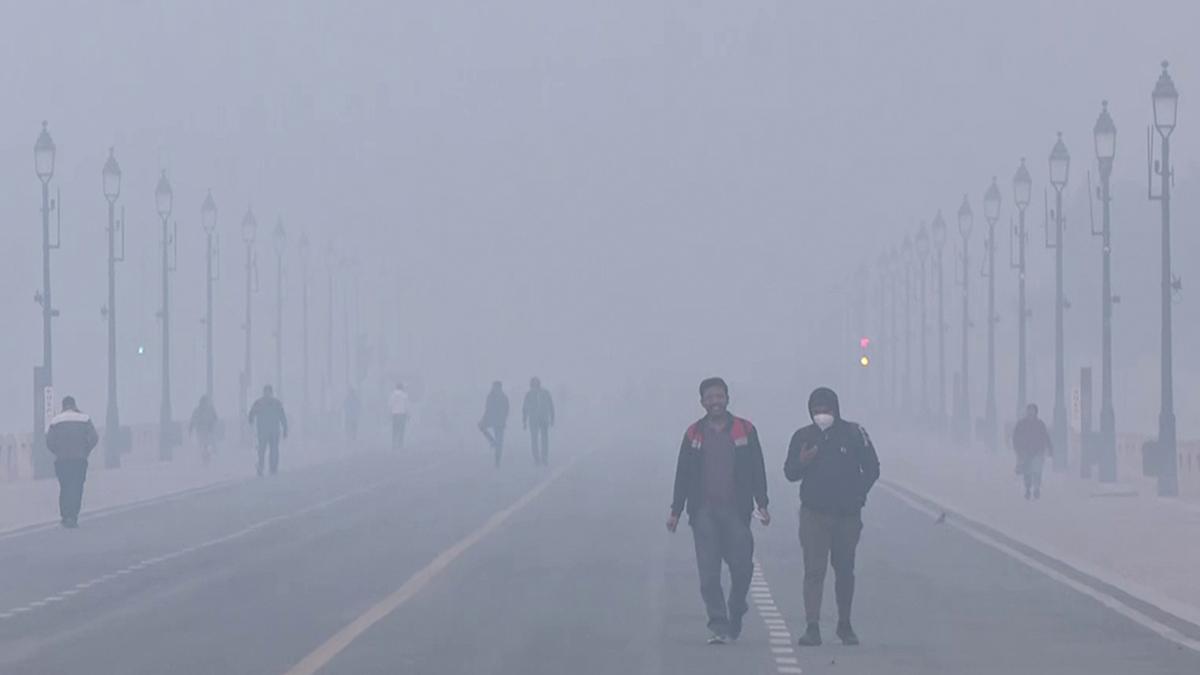
An Opposition's issue
On November 18, CM Gupta, addressing the Northern Zonal Council, said Haryana, Uttar Pradesh and Rajasthan had shown marked improvement in crop-residue management, but smoke from Punjab remained high.
She urged better cooperation from the Aam Aadmi Party-led government.
However, data from the Indian Council of Agricultural Research (Icar) showed that both Haryana and Punjab saw a 50 per cent drop in stubble-burning cases between September 15 and November 2.
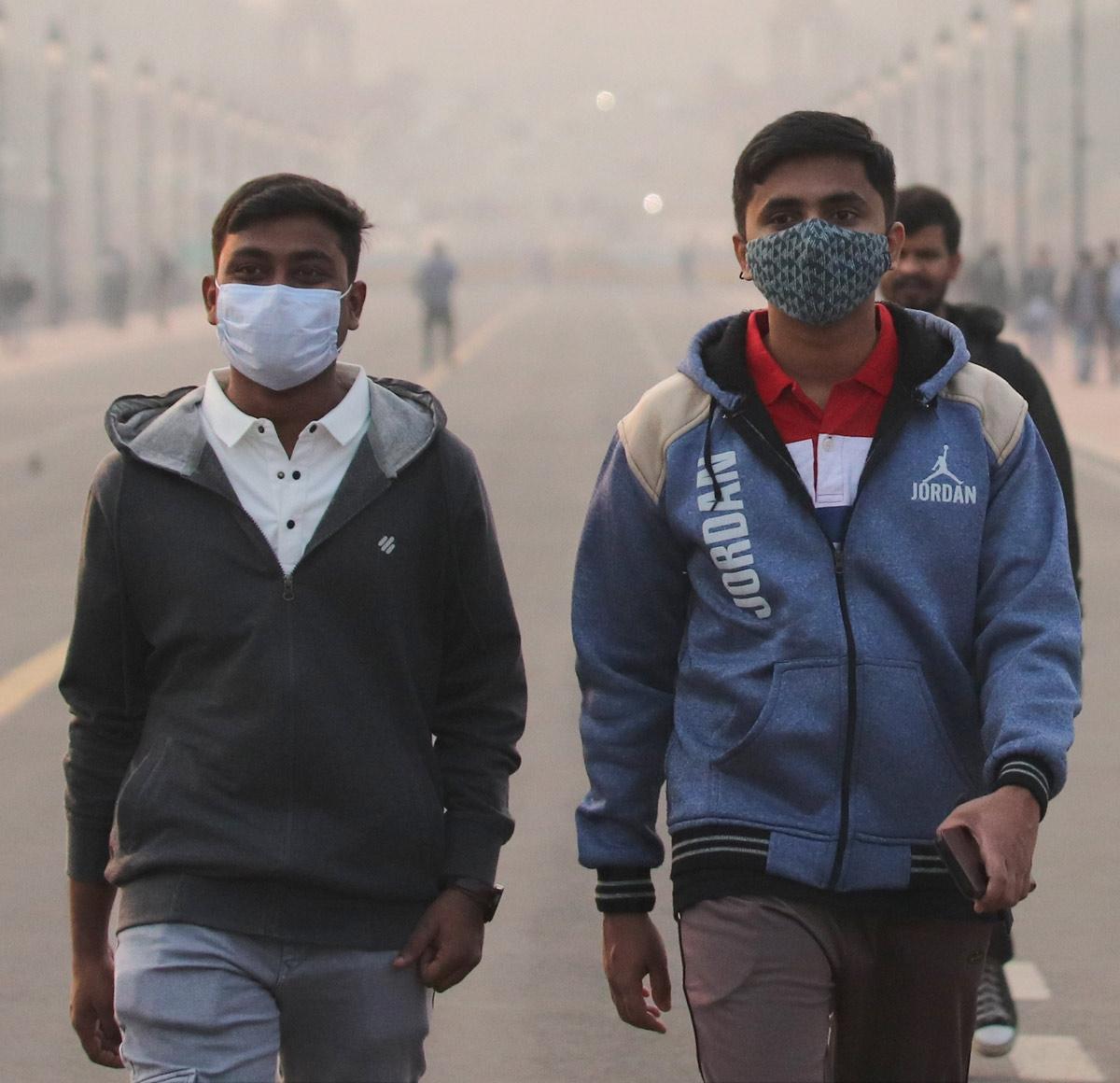
Icar data revealed that incidents in Punjab fell 94.5 per cent in 2025 (2,262) from 41,176 in 2020.
Between September 15 and November 19, the highest number of farm fires were reported in Madhya Pradesh (10,175), followed by Uttar Pradesh (4,409).
"Pollution has been reduced to a blame game," says Jha.
A similar approach is evident on social media.
AAP, now in Opposition after a decade in power, has intensified its Instagram campaign targeting the Bharatiya Janata Party state unit's accountability.
From posting protest clips to jabs at the 'double-engine sarkar', AAP is running a more aggressive online push than last year, when it limited posts to awareness and emphasising the Centre's responsibility.
Meanwhile, the BJP highlighted Yamuna cleaning -- a major environmental issue in the capital -- on its social media.
"Twenty-five to 30 per cent of Delhi voters are Purvanchalis. Yamuna cleaning certainly has better returns for the government," observes Jha.
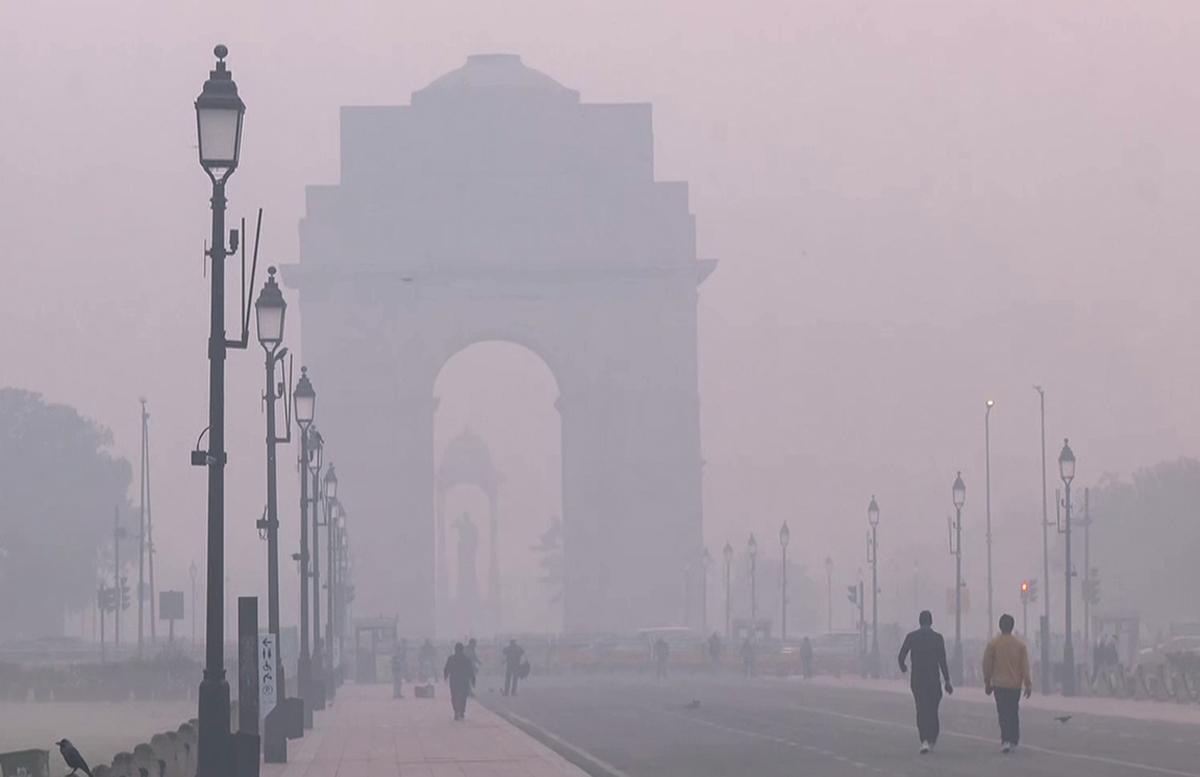
The 2024 pollution protests were led by BJP leaders, distributing masks to residents.
This year, AAP's Saurabh Bhardwaj took part in the gathering at India Gate.
"Now, we have the same government in Delhi at all levels and in most neighbouring states. Responsibility should be collective," Lal adds.
R Suresh, Senior Fellow in air quality research at The Energy and Resources Institute, says that Delhi's air quality is shaped by emissions across the region.
"Sustainable improvement calls for a systemic approach and strengthened regional collaboration," he says.
The missing science in policies
Experts say that tackling Delhi's pollution crisis is challenging but achievable.
"Delhi has geographical disadvantages, and no one expects pollution to clear in a single season. But the approach needs to be scientifically driven," says George.
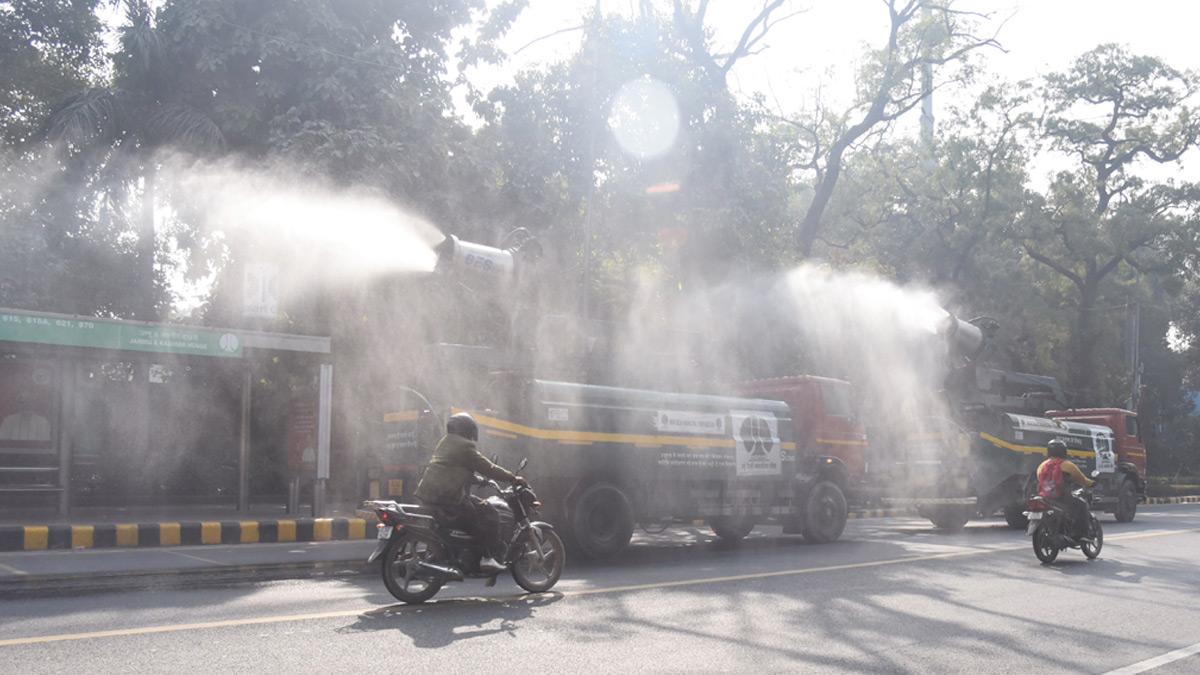
Even minor details such as the type of smog guns, droplet size, and areas chosen for sprinkling, need careful monitoring, he adds.
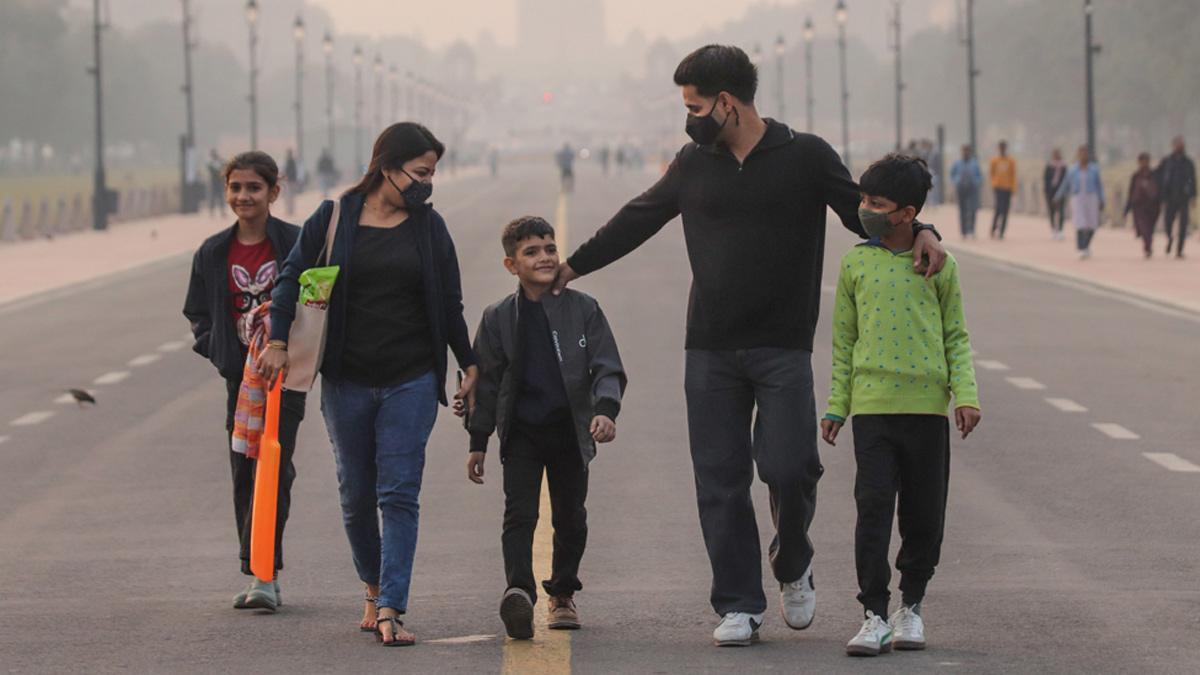
The Delhi government's failed cloud-seeding attempt in October highlighted this scientific void.
Many environmentalists called it a 'quick fix', while others said that Delhi's weather conditions were never conducive to artificial rain.
Experts argue that Delhi needs a year-round approach, not emergency measures triggered by severe crises.
"Evidence-based policies applied across seasons and sectors remain essential for lasting reductions," says Suresh.
Environmentalists who have studied the issue for years are ready to offer inputs, but the government must engage them, Kandhari adds.
Photographs curated by Anant Salvi/ Rediff
Feature Presentation: Ashish Narsale/Rediff







 © 2026