

India on Wednesday said it is examining a request by Bangladesh to extradite former prime minister Sheikh Hasina and that it is committed to ensure the best interests of the people of that country.
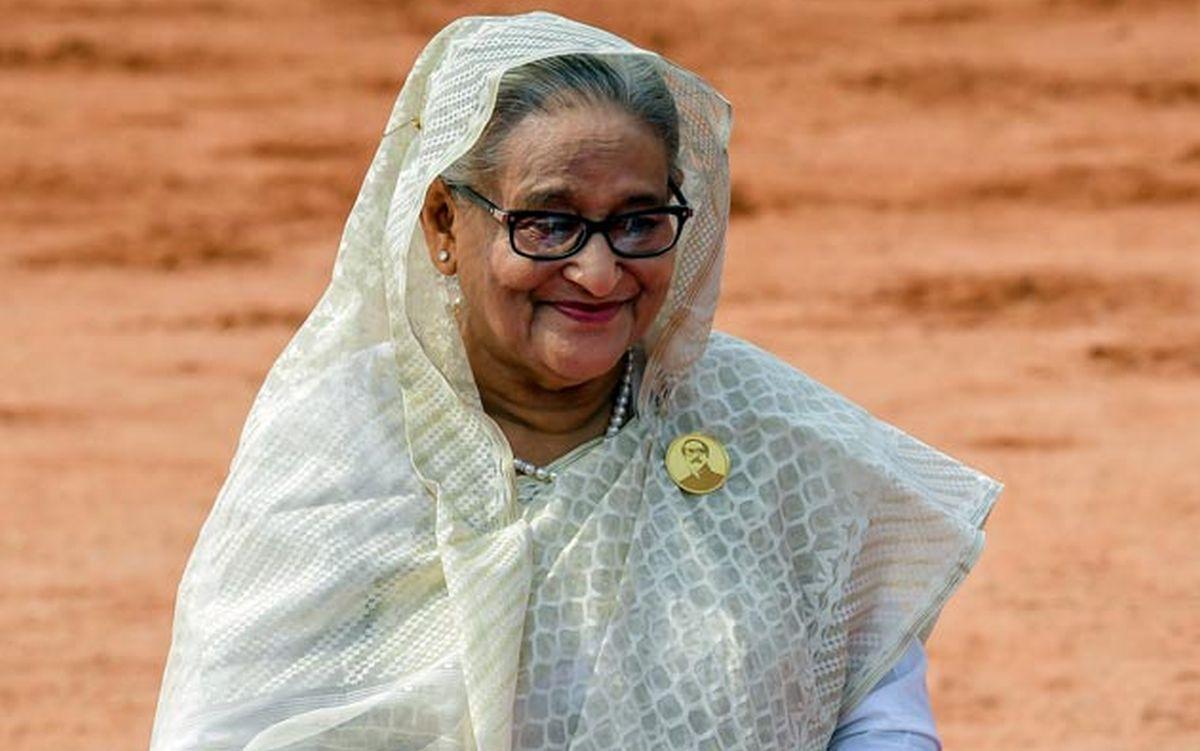
Hasina, 78, was last week sentenced to death in absentia by a special tribunal in Dhaka for "crimes against humanity" over her government's brutal crackdown on student-led protests last year.
The Awami League leader has been living in India since she fled Bangladesh on August 5 last year in the face of the massive protests.
"The request is being examined as part of ongoing judicial and internal legal processes," external affairs ministry spokesperson Randhir Jaiswal said.
"We remain committed to the best interests of the people of Bangladesh, including peace, democracy, inclusion and stability in that country and will continue to engage constructively in this regard with all stakeholders," he said.
Situation different now, says Bangladesh
Meanwhile, Bangladesh on Wednesday said India gave “no reply” to its earlier request seeking the extradition of deposed prime minister Sheikh Hasina, but Dhaka now expects a response from New Delhi as the “situation is different now” with the judicial process completed and the former premier convicted.
The interim government led by Muhammad Yunus last week had sent an "official letter" to India seeking the extradition of 78-year-old Hasina after a special tribunal sentenced her to death on November 17 for committing “crimes against humanity”.
Foreign affairs adviser M Touhid Hossain told reporters in Dhaka that the government is awaiting India's reply to its latest request to extradite Hasina.
“I do not expect that they (India) will answer within a week of Dhaka's request, but we expect we will get an answer,” he said.
Hossain said Bangladesh had earlier requested India to return Hasina but received "no reply".
However, he said, "the situation is different now" as the judicial process is complete and she has been convicted.
Hossain said the formal extradition request was conveyed through the Bangladesh high commission in New Delhi following the verdict delivered by the International Crimes Tribunal-Bangladesh (ICT-BD).
He said the request was made under the existing extradition treaty between the two countries.
Bangladesh had earlier sent a note verbale in December last year seeking Hasina's extradition, to which India acknowledged receipt without further comment.
Hossain, a former diplomat, clarified that Bangladesh was not ruling out a reply from India, but it is simply not expecting it within seven days.
Along with Hasina, the ICT-BD had also sentenced the then home minister Asaduzzaman Khan Kamal after a trial held in absentia. Hasina is currently in India, while Kamal is also believed to be hiding in the country.
The third accused, former police official Chowdhury Abdullah Al Mamun, who appeared as an approver, was sentenced to five years in prison.
On November 20, Law Adviser Asif Nazrul said the interim government is also considering moving the International Criminal Court (ICC) in The Hague to bring back the “fugitive convicts”.
Reiterating the stance three days later, he said: “We believe India has an added responsibility to return them.”
After the recent ICT-BD judgement, India had said it "noted" the verdict concerning the former prime minister.
"As a close neighbour, India remains committed to the best interests of the people of Bangladesh, including in peace, democracy, inclusion and stability in that country. We will always engage constructively with all stakeholders to that end,” the external affairs ministry said.
Hasina's Awami League government was toppled in a student-led violent protest termed as the ‘July Uprising' on August 5 last year.
Three days later, Nobel Laureate Yunus flew from Paris at the call of the protesting students to assume the charge of the interim government as its chief adviser.
Hasina and the two others were accused of adopting brutal means to tame the protestors, while a UN rights office report said about 1,400 people were killed between July 15 and August 15 last year.





 © 2026