

Nitish Kumar may be in the chief minister's chair again, but with the BJP grabbing the home department and the assembly speaker's post, the real power in Bihar has shifted unmistakably, reports MI Khan.

Although Nitish Kumar may have become the longest-serving chief minister of Bihar after returning to power last month, his authority has been significantly diminished.
This is because his major ally, the Bharatiya Janata Party (BJP), is now occupying the position of 'big brother' within the coalition.
The shift in power is evident in the way the BJP secured the most crucial portfolios: the home department and the post of state assembly speaker.
This represents an unprecedented change, as it has never occurred before in the last two decades while Nitish Kumar led the government, whether in alliance with the BJP or the Rashtriya Janata Dal (RJD).
Senior BJP leader Prem Kumar, a former minister who has won the Gaya assembly seat without interruption since 1990, was elected unopposed as speaker of the Bihar assembly. This followed Deputy Chief Minister Samrat Chaudhary, also of the BJP, becoming the home minister.
For the first time in two decades, Nitish Kumar is chief minister but is not in charge of the home department, which controls law and order in the state and commands full control over the police. In previous administrations, Nitish Kumar was in charge of the home department, while the BJP held the speaker's post.
The fact that both key posts have gone to the BJP signals a fundamental change in the state's power structure. The BJP is now in a dominant role, no longer playing the 'second fiddle' role the party did for over a decade and a half while in power alongside Kumar.
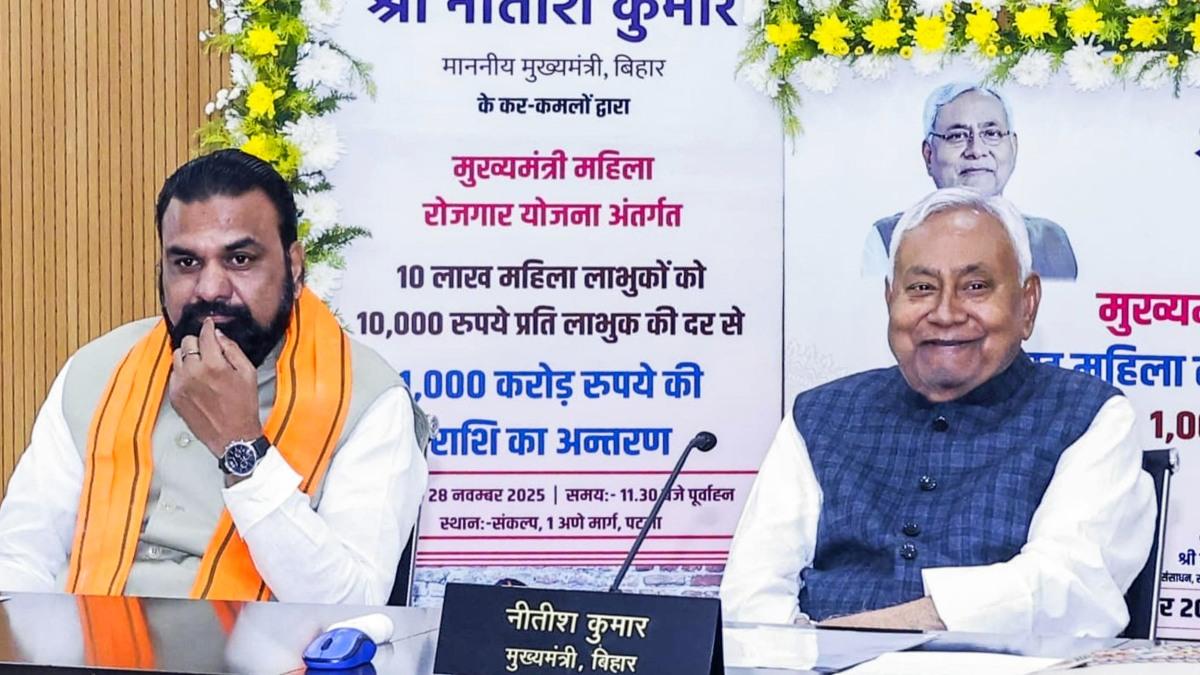
On the other hand, Kumar, who was accustomed to playing the 'big brother', has been relegated to playing the second fiddle this time.
“It is part of his political compulsion to continue as chief minister, despite the fact that the BJP is the single-largest party with 89 MLAs and his party, the JD-U, has 84 MLAs. Nitish Kumar has had to concede something after the BJP ceded its claim over the chief ministership.”
According to a senior BJP leader, the party received a mandate to lead from the front and to control and run the government.
It appears that Kumar is not in a position to bargain with the BJP, which is now aggressive and assertive in playing its hand.
Despite his party, the JD-U, having an approximate 85% strike rate in last month’s assembly polls, Nitish Kumar seems unable to reassert his bargaining tactics. This is out of fear that the powerful and ambitious BJP, which has emerged as the single-largest party for the first time ever, may hit back.
This is Nitish Kumar's foremost political compulsion: to make compromises by giving concession after concession to the BJP, which is no longer prepared to be a junior partner.
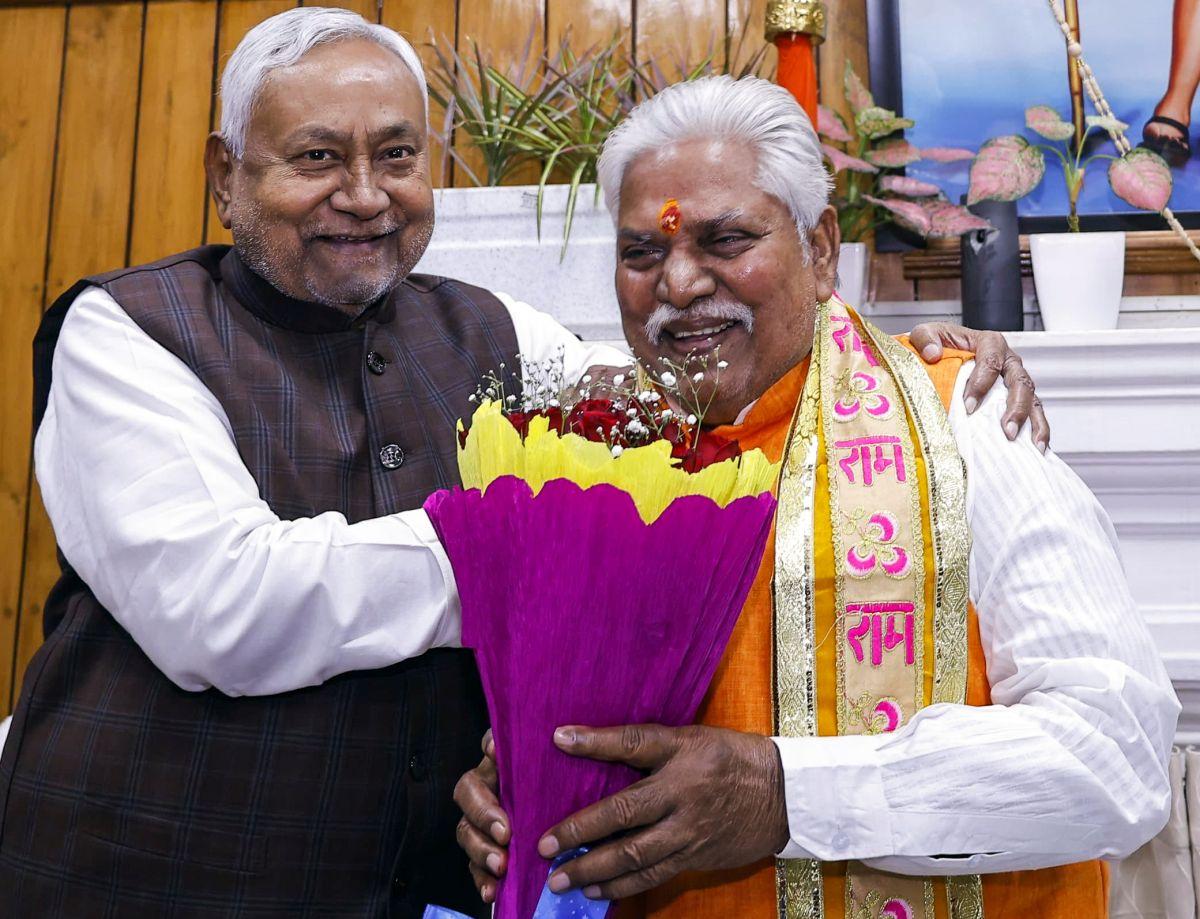
A political analyst in Patna suggested that Nitish Kumar will have to hand over real power to the BJP if he wishes to retain the chief minister's chair, since the BJP is already eyeing his replacement.
This is a major apprehension within the JD-U camp.
"Nitish Kumar has been left with no option to change sides this time, unlike in the past. He has little chance of threatening the BJP with walking away. This is the ground reality that both Nitish and the BJP understand. The numbers currently offer no scope for him to repeat his previous strategy of abandoning the BJP to join hands with the opposition RJD," the analyst stated.
Beyond the numerical disadvantage, Kumar’s health issues -- as he is physically frail at 74 -- and his party's succession crisis mean the BJP is ready to call the shots.
In recent days, the BJP has virtually dictated the terms, securing the home portfolio that Nitish Kumar had kept for himself since 2005 and also gaining the assembly speaker post.
Feature Presentation: Rajesh Alva/Rediff







 © 2026