
'Conservation is fundamental to the resilience of our communities and the health of our planet,' says Dr Ramakanta Panda, one the world's top heart surgeons.
After a successful show in Delhi, Dr Ramakant Panda brings his love for animals and his hopes for conservation to Mumbai with an exhibition of his wildlife photographs at the Jehangir Art Gallery.
Dr Panda, who is one of the world's top cardiac surgeons and the chairman of the Asian Heart Institute, Mumbai, has divided the Mumbai exhibition into two parts.
The first focuses on India's wildlife.
'Conservation is not just an ethical imperative -- it is fundamental to the resilience of our communities and the health of our planet.
'We must act decisively to protect and restore biodiversity, recognising that when Nature flourishes, so do we,' says Dr Panda.
These compelling photographs highlight the fragile beauty of wildlife, the forests and the courageous protectors of our natural world.
This segment of the exhibition, which presents evocative frames from India and Africa, celebrates both animals and their habitats.
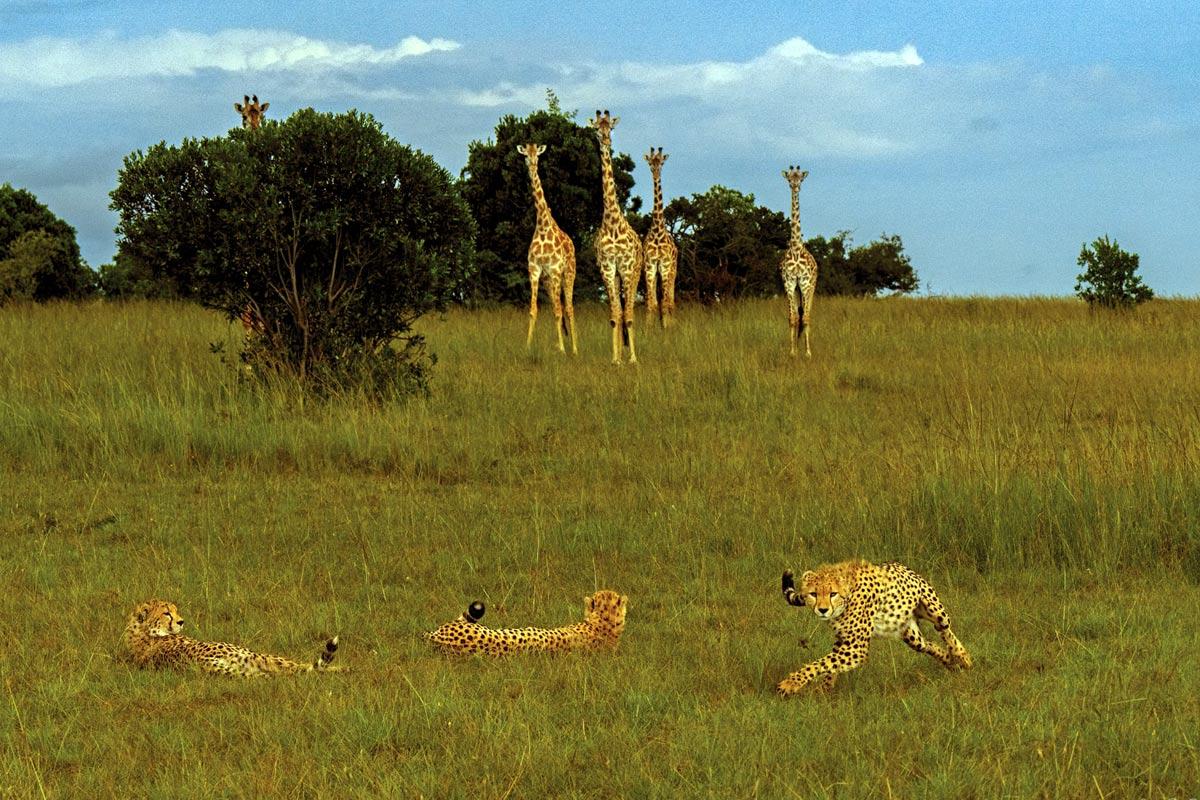
Cheetah cubs play under the watchful gaze of towering giraffes in Kenya.
It's a heart-warming glimpse of their fragile early lives.
Cheetahs, which are the smallest of Africa's big cats, rarely target prey larger than themselves, making the giraffes merely curious spectators.
With cheetah cub survival rates tragically low -- around 10 per cent due to threats from lions, hyenas and other predators -- moments like these are incredibly rare.
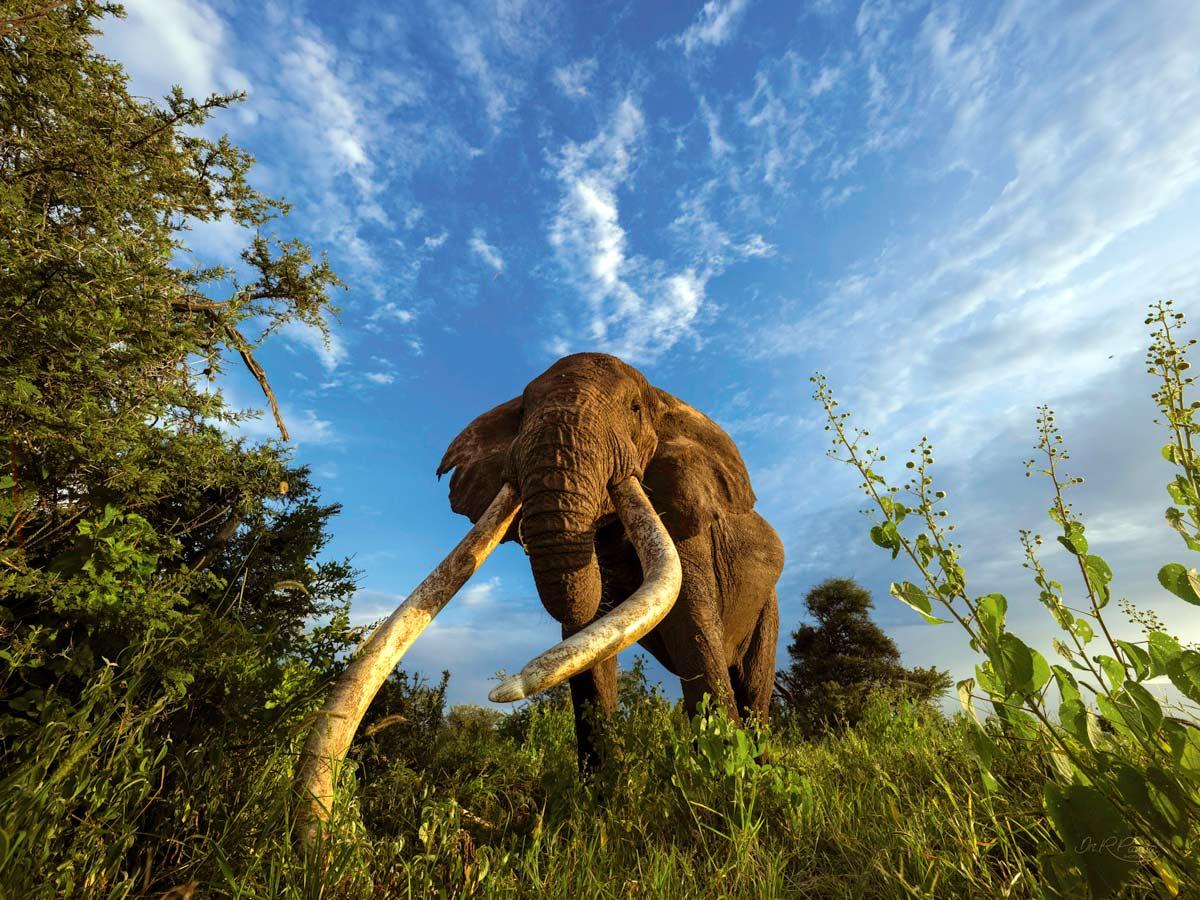
Craig, who was born in 1972, is one of Africa's last remaining super tuskers -- elephants whose tusks nearly touch the ground.
Now 53 years old, he lives in Kenya and stands as a monumental symbol of wildlife protection and resilience.
His survival is no accident -- Craig is guarded by Maasai warriors who deter poachers seeking his priceless ivory.
Encountering him in the wild is like meeting a living legend, a reminder of how conservation efforts can keep such giants safe.
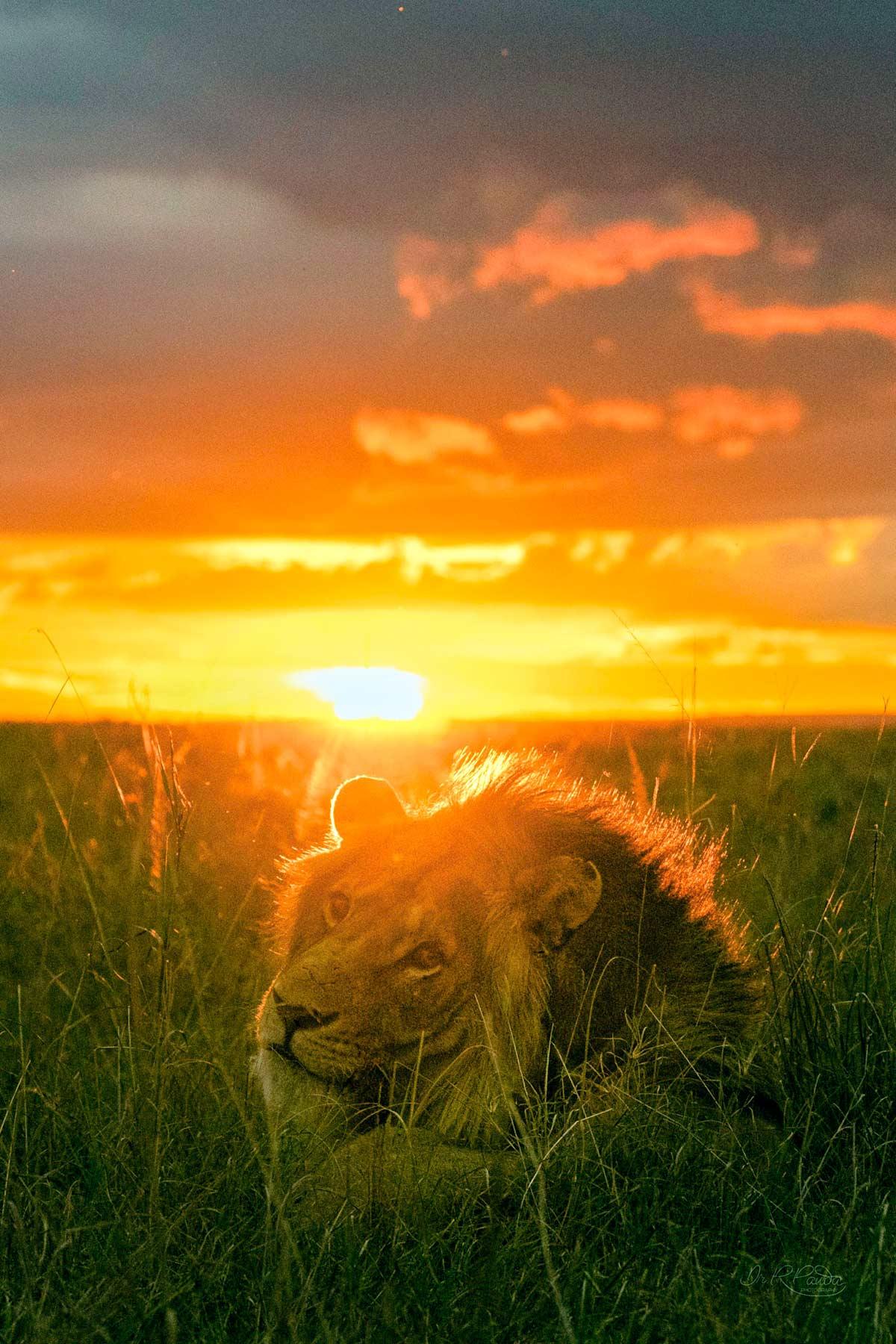
An African lion is silhouetted against a glowing Kenyan crimson sunset, creating a dramatic portrait of raw wilderness.
To capture the sun positioned perfectly above the lion's head, I had to bend low over the side of the vehicle, aligning the elements in a fleeting moment of perfect harmony between light, landscape and predator.
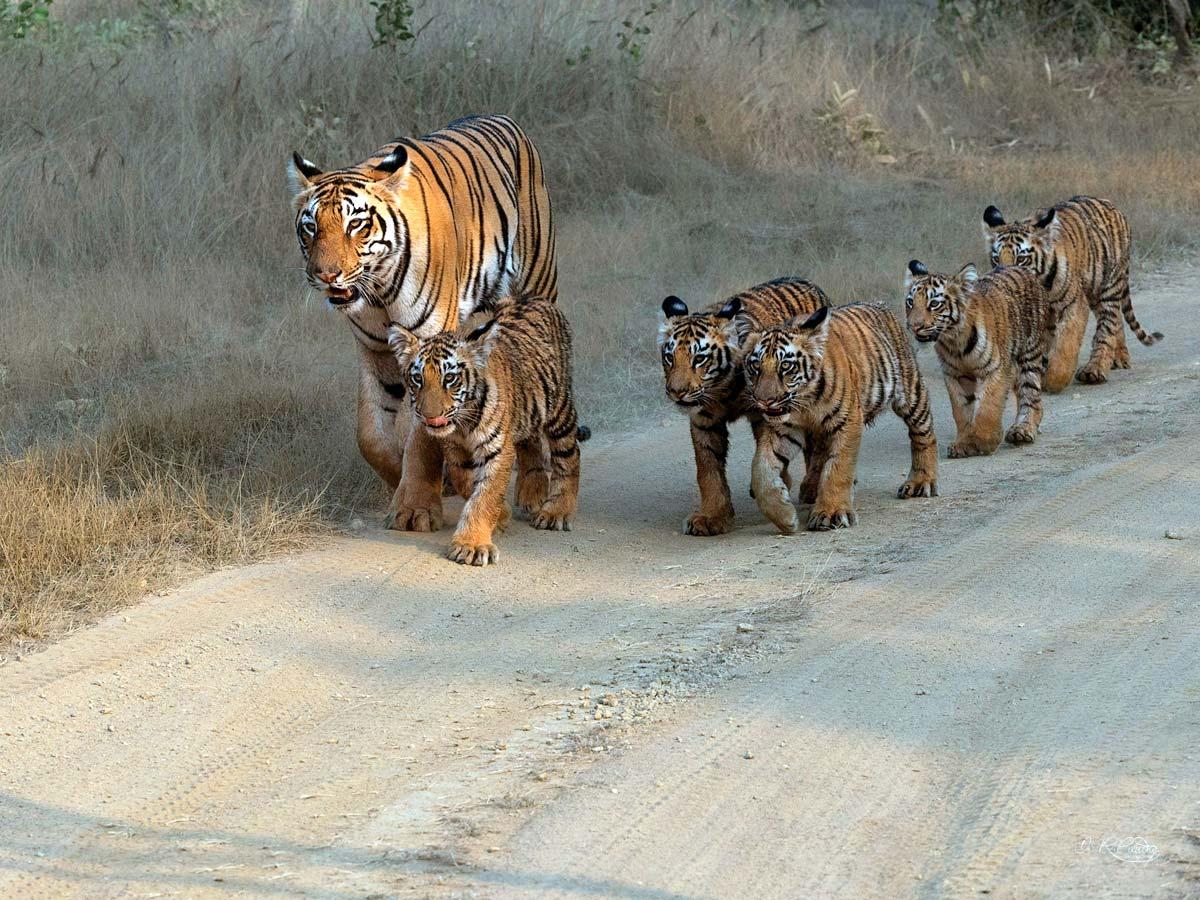
The F2 tigress strides confidently in Maharashtra's Umred Pauni Karhandla wildlife sanctuary with her five energetic cubs; they were about seven or eight months old when this photograph was taken in February 2025.
Now that they are over a year old, they will nearly match her in size.
Raising five cubs is an extraordinary achievement for any tigress, especially with threats from rival males and the constant demand for successful hunts.
F2's dedication and skill have allowed all five cubs to grow healthy and strong -- a remarkable conservation success story.
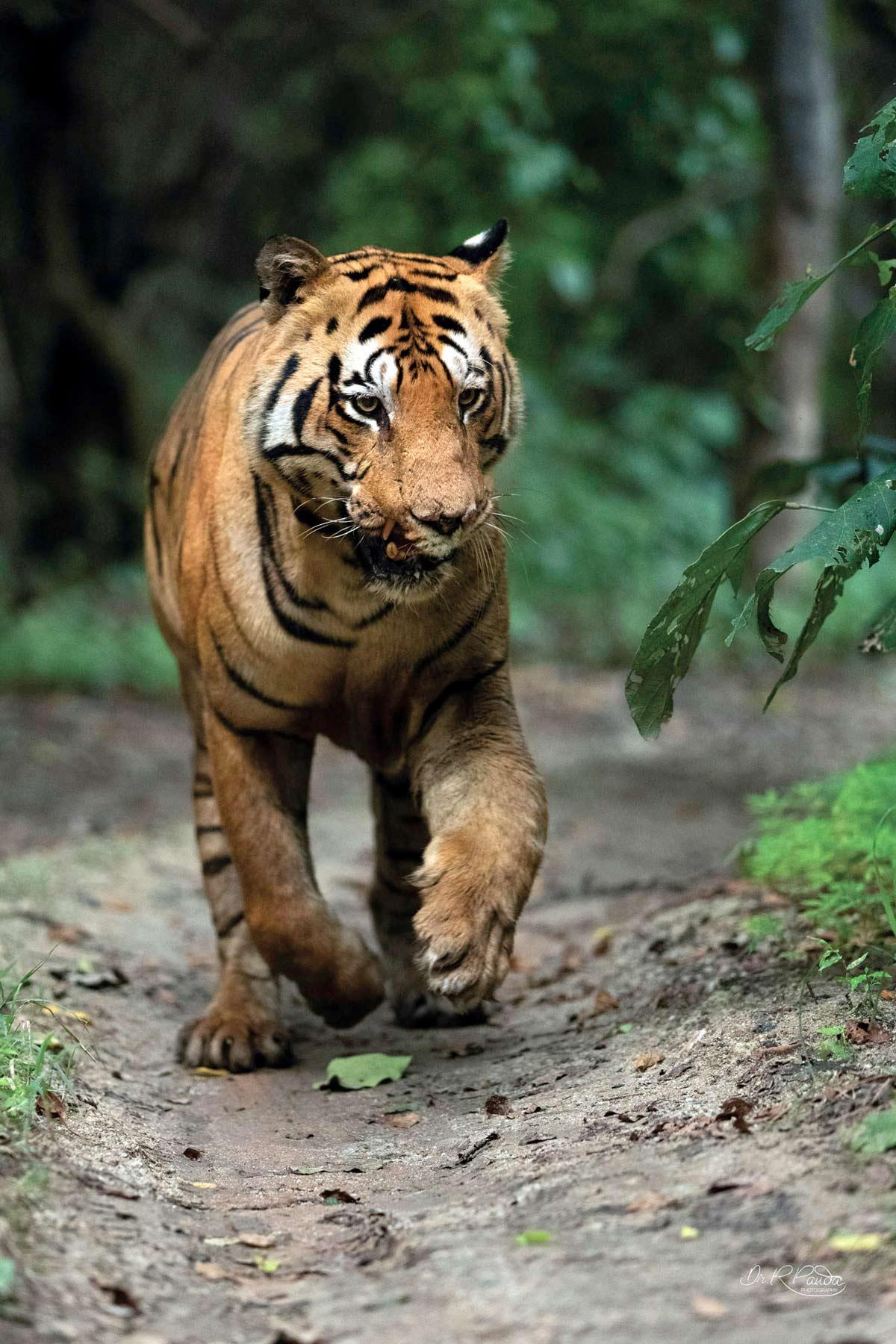
Chota Matka, who lives in Maharashtra's Tadoba national park, is nursing an injured paw, still bearing the wounds of an intense territorial fight with a larger, older male, Brahma.
The battle lasted well over a day and was one of the fiercest clashes recorded in Tadoba.
Despite his smaller size, Chota Matka overpowered Brahma, ultimately killing him to claim the territory.
This photograph was taken just days before he was rescued and transported to the Gorewada rescue centre in Nagpur in late August 2025 due to the severity of his injuries.
The second segment of the exhibition, titled The Birds of Amchi Mumbai, showcases some of the 240-odd bird species spotted across the Mumbai Metropolitan Region in recent years; from year-round residents to remarkable migratory visitors.
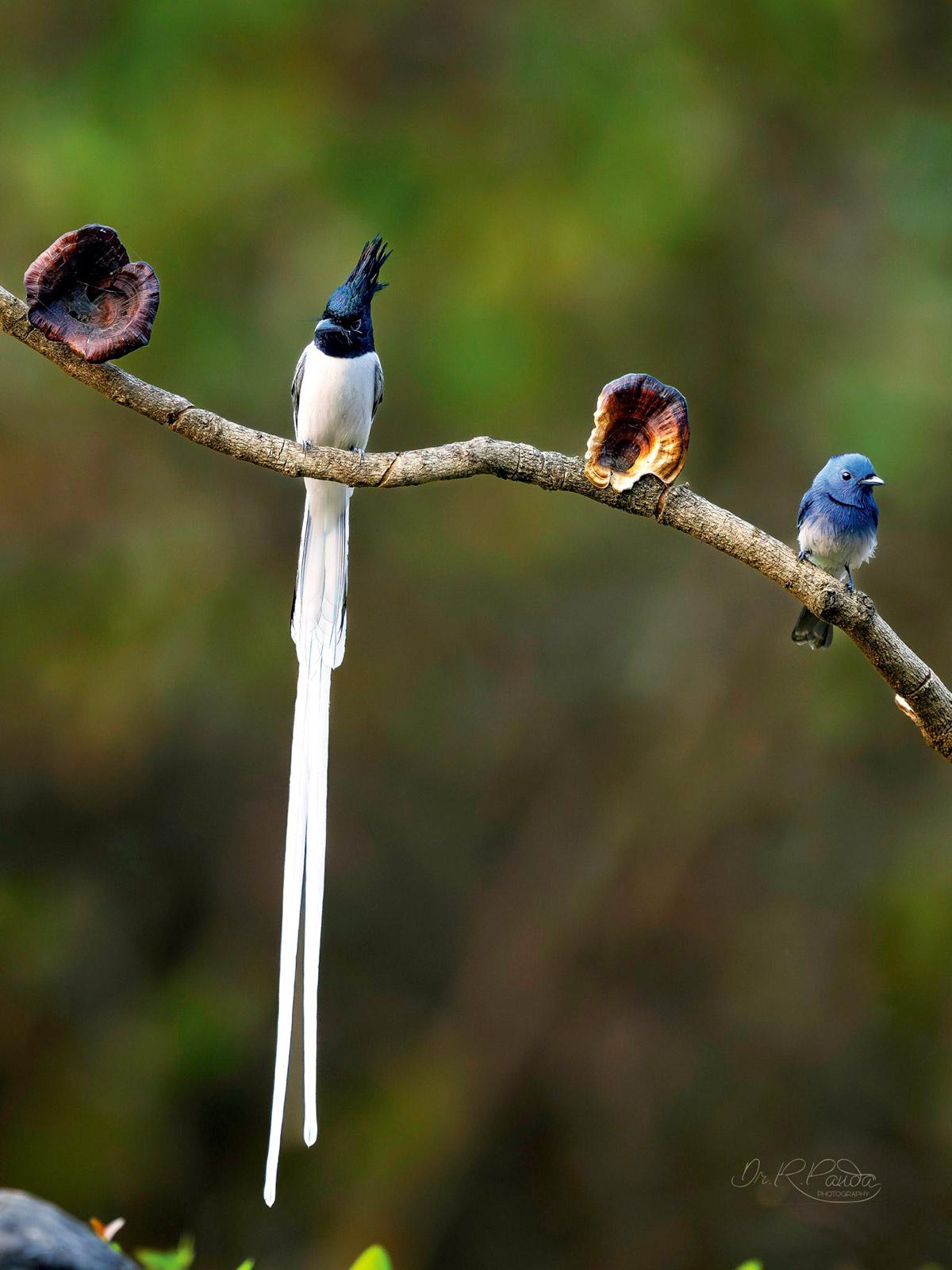
Perched together on a slender branch at Maharashtra’s Karnala Bird Sanctuary, the Asian Paradise Flycatcher and Black-Naped Monarch display their shared love for dense forest habitats.
Both species are early risers, often seen bathing in the forest pools at dawn -- a peaceful ritual that led to this rare moment of them resting side by side.
Despite their differences in appearance, both belong to the flycatcher family, highlighting the rich avian diversity of Karnala.
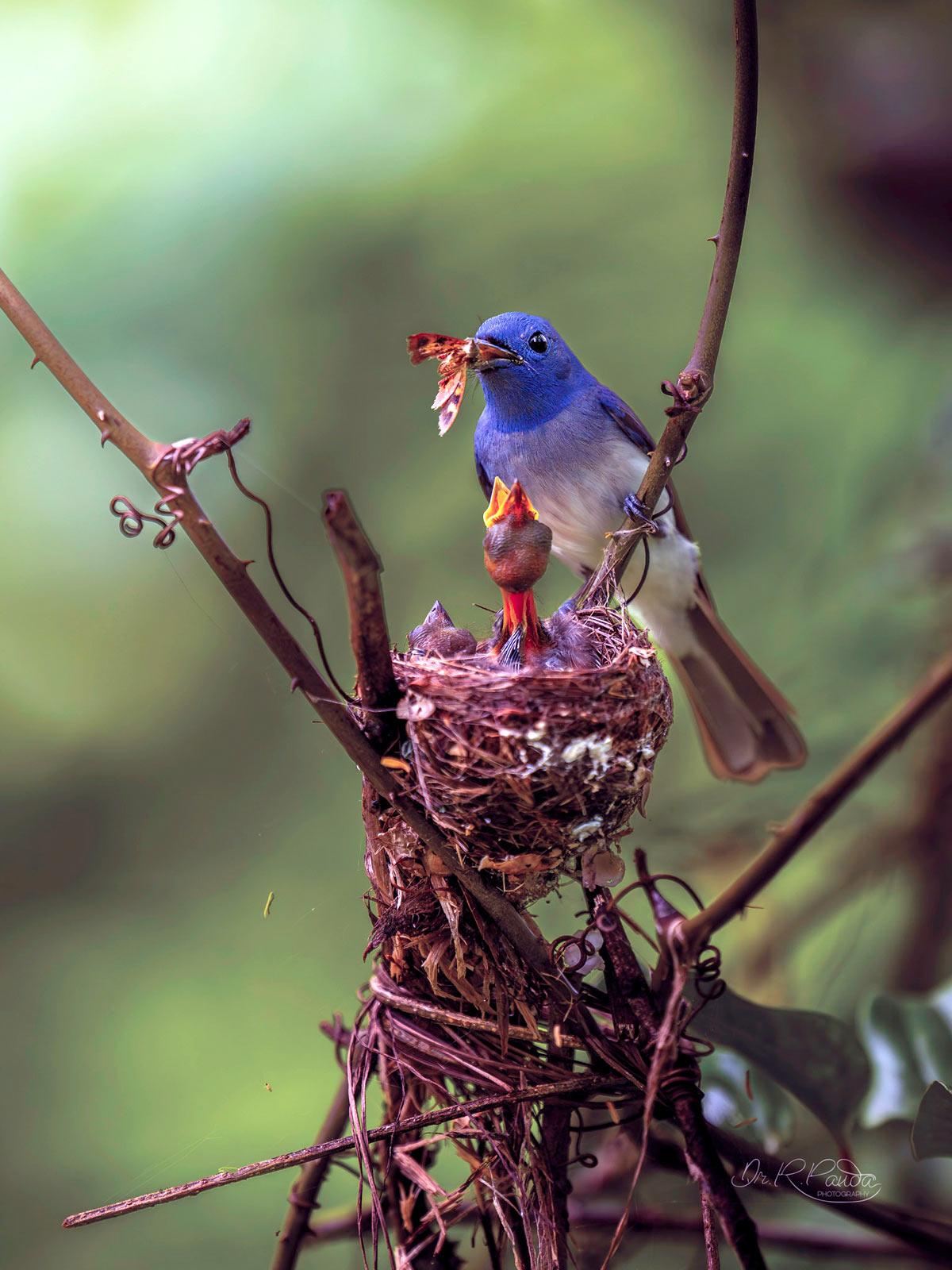
In the cool shade of Karnala's forest, a brilliant blue male Black-Naped Monarch delicately delivers a butterfly to its hungry chicks.
These birds breed from June to September, tirelessly gathering insects, worms, caterpillars and butterflies to feed their young.
Their nurturing behaviour, combined with their striking colours, makes them one of the most delightful breeding birds to watch in this sanctuary.
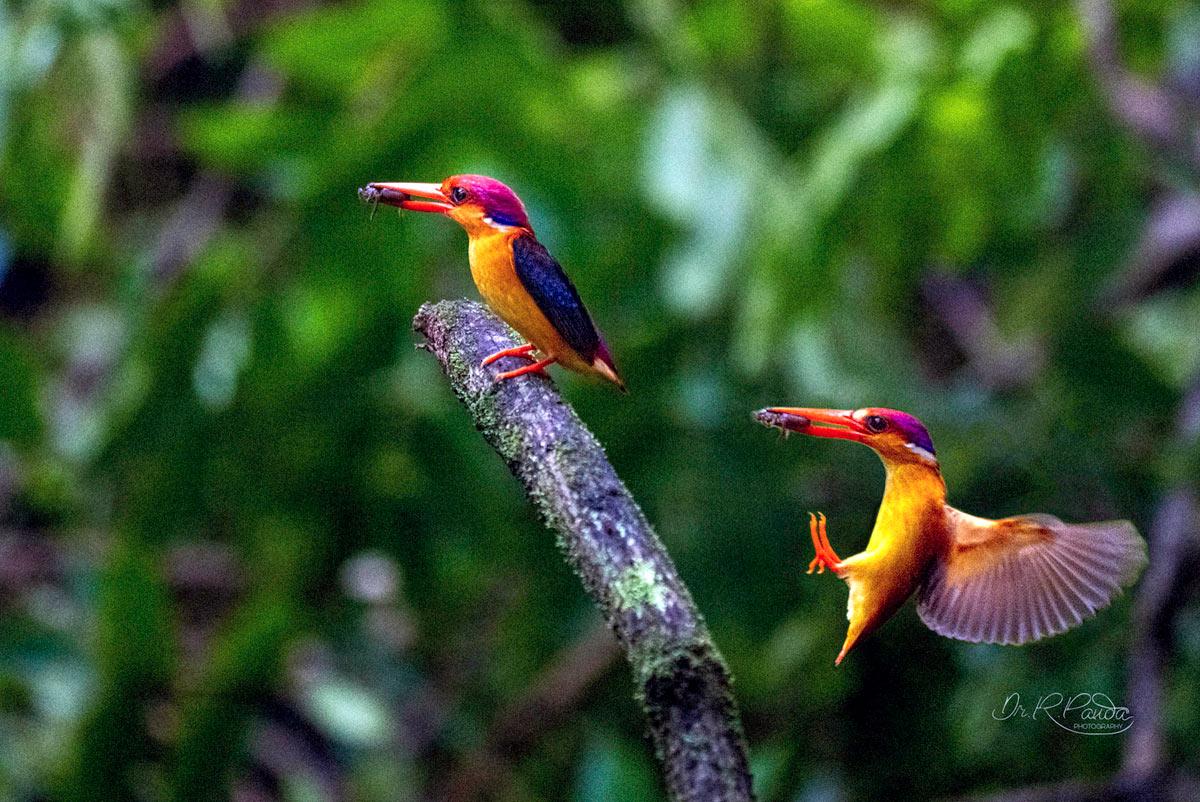
India's smallest kingfisher -- the Black-Backed Dwarf Kingfisher -- rests with its partner deep within Karnala's dense forest.
They hold freshly caught crabs, destined for their chicks waiting in a nest carved into clay walls.
Karnala is among the few places where this elusive bird can be reliably documented during its breeding season, making sightings like this particularly special for birdwatchers and photographers alike.
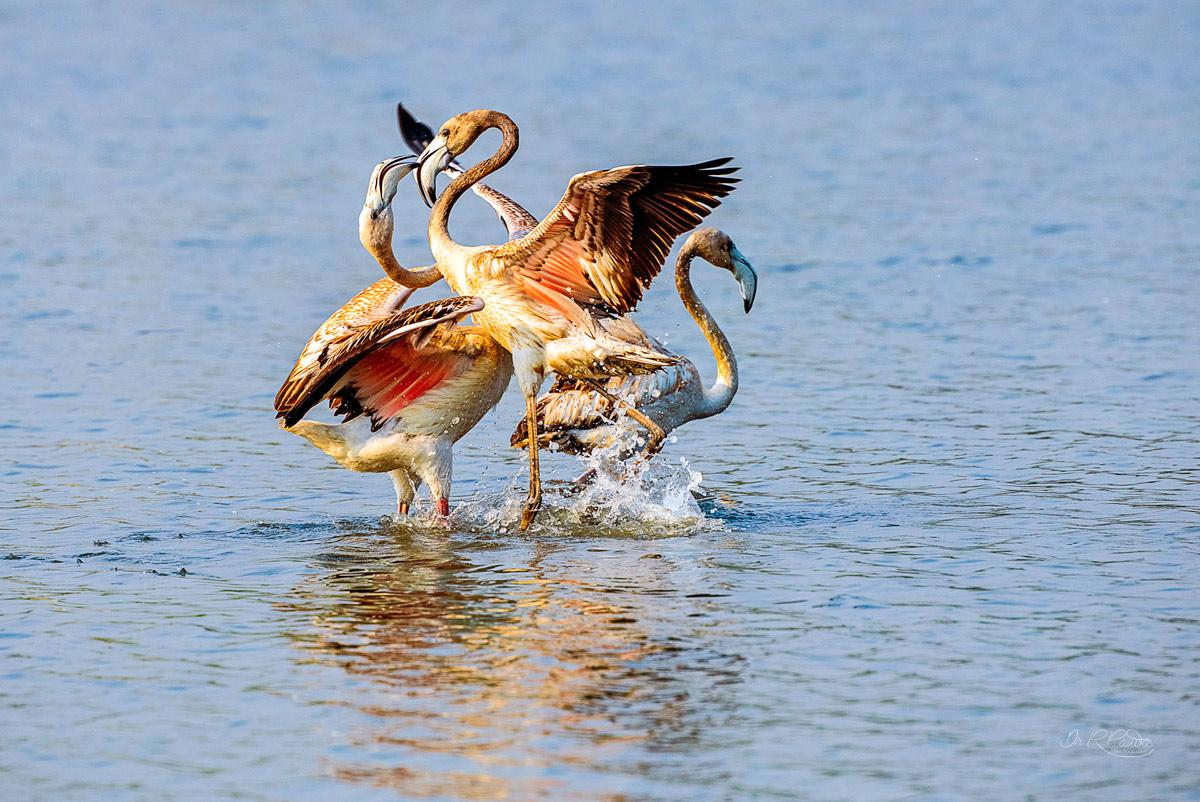
Mumbai's wetlands have become a seasonal refuge for thousands of Greater Flamingos but their numbers saw a remarkable surge during the COVID-19 lockdown.
With reduced pollution, quieter coastlines and improved water quality, the flamingos found ideal feeding grounds rich in algae and crustaceans.
The city's creeks and mudflats turned vibrant pink as record numbers of flamingos flocked to the metropolis, showing how Nature flourishes when human disturbance pauses.
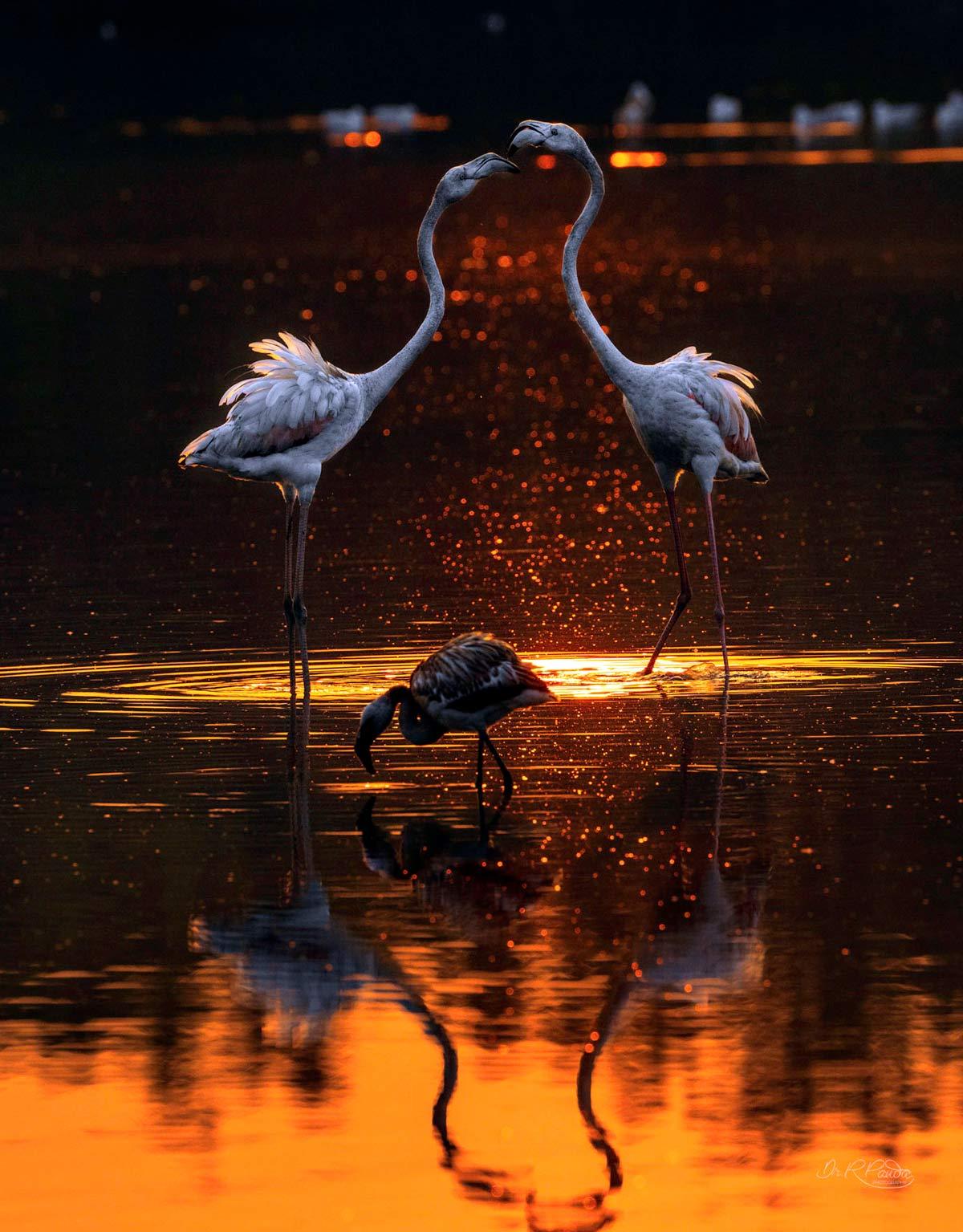
A pair of Greater Flamingos stands alongside a juvenile, glowing softly under a golden sunrise.
Mumbai's wetlands host tens of thousands of flamingos each winter and, in recent years, improved habitat conditions have encouraged more stable breeding among the species.
Juveniles, distinguished by their grey tones, learn essential skills like foraging and flocking from the adults -- reflecting the growing promise of Mumbai as an important urban flamingo sanctuary.
All proceeds will support ongoing wildlife and forest conservation efforts in India and Africa through Asian Wildlife Trust (an initiative of the Asian Heart Institute).
The exhibition will be open the public until December 2.










 © 2025