
'Political protection allow groups to recruit, rearm and operate with reduced operational pressure. That increases their bargaining power and their ability to destabilise.'
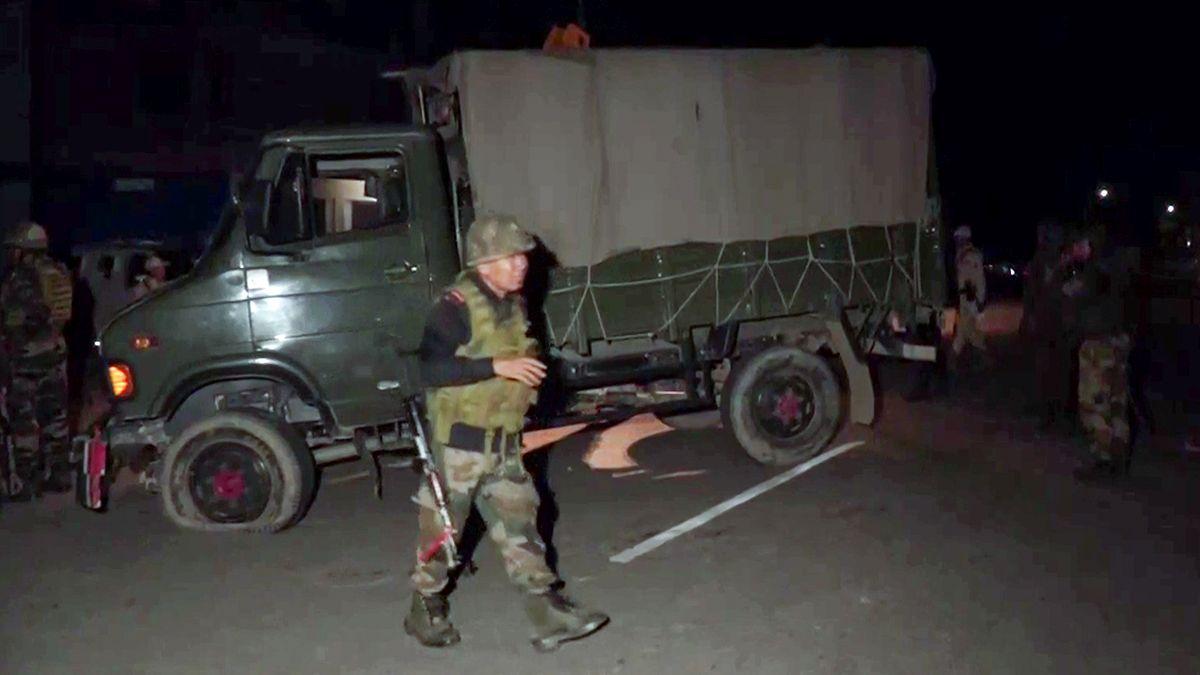
Intelligence reports suggest that the ambush on an Assam Rifles vehicle in September that resulted in the death of two soldiers and left five injured may have been a 'contract killing' to discredit President's Rule in Manipur rather than guerrilla action by insurgent groups.
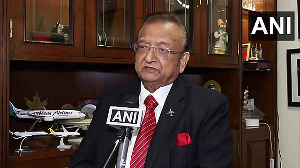
"A sensational security incident has clear political effect, it can be used to argue that the Union takeover is failing or that the security situation is deteriorating. Agencies are examining the incident's potential political motive," says Lieutenant General Shokin Chauhan, former director general of the Assam Rifles, the largest paramilitary force in the country.
The Assam Rifles is responsible for counter insurgency, border security and maintaining law and order in the North East.
General Chauhan was chairman of the Ceasefire Monitoring Group to ensure peace in the North East after retirement from the Indian Army in 2018. He has vast experience in conducting counter terrorist operations both in Kashmir and the North East
In an interview with Rediff's Archana Masih, General Chauhan discusses the indicators that justify why security agencies are treating a politically motivated provocation as a serious hypothesis in the investigation and its grave implications in an already brittle situation in Manipur.
What is your assessment on the current security and law/order situation in Manipur? How is the brittle peace holding up?
The situation is a brittle, a managed peace rather than a durable one.
Large areas remain effectively segregated by ad hoc 'buffer' arrangements and community-held lines; localised violence and criminal incidents continue to occur and security forces conduct frequent operations and arrests.
President's Rule remains in place and the Centre is extending central control because the state political faultlines have not been resolved.
Law and order is fragile because the violence has a strong ethnic-political character (Meitei versus Kuki/Zo) combined with proliferation of light and some medium weapons, local militias, and an overlay of insurgent groups and criminal activity.
That mix makes policing and intelligence work far harder than conventional counter-insurgency.
As an officer who has been in charge of the security situation in the North East -- what are the inherent challenges for security forces, unique to the region?
1. Complex human terrain and identity politics: Deep local grievances, clan/tribal networks and community bodies (civil organisations) that can mobilise fighters or disrupt governance, political decisions rapidly become security problems.
2. Multi-actor battlefield: State police, Assam Rifles, CRPF, Army, central intelligence agencies, local militias, insurgent gangs and criminal networks all operate in overlapping roles, command, rules of engagement and legal authorities can be blurred.
3. Weapons dispersion and armed civilians: Looted/illicit weapons from 2023 have dispersed widely, increasing stand-off and enabling small unit ambushes and criminal acts.
4. Terrain and communications: Mixed valley-hill geography and poor infrastructure complicate rapid movement, sustainment, surveillance and command and control.
5. Cross-border risk and logistics: Porous border areas (Myanmar approach) and illicit trafficking routes complicate supply and sanctuaries for some groups.
6. Information environment: Fast spreading rumours, doctored audio/video, and local narratives can inflame crowds and shape political outcomes almost instantly.
How have the challenges for security forces become greater since the conflict has driven a sharp wedge between the two communities since 2023 and the creation of buffer zones?
- Deepening communal separation (physical buffer zones, internally displaced populations) creates de facto frontlines. This reduces inter-community contact and mediation channels, gives armed groups space to entrench behind civilian populations, and makes intelligence collection harder (communities no longer share information).
- Buffer zones can become securitised fault-lines: Policing them drains resources, and local actors can exploit them as staging areas or recruitment pools. Relief and return are slowed, which keeps grievances alive and creates a recruitment pool for outlawed groups.
- Political polarisation reduces the scope for a locally led political settlement; when state institutions are seen as partisan, people stop trusting police and administration -- that delegitimisation increases the security forces' kinetic burden.
Intelligence suggests that the ambush on the Assam Rifles may have been a 'contract killing' to discredit President's Rule -- what do you think are some of the prevailing factors that would suggest that this was the motive behind the deadly attack last month?
A number of indicators reported in recent investigations are consistent with that hypothesis
Timing and political utility: The ambush occurred at a time when the continuation of President's Rule and the Centre's political options were under active debate; a sensational security incident has clear political effect, it can be used to argue that the Union takeover is failing or that the security situation is deteriorating.
Recent reporting highlights that agencies are examining the incident's potential political motive.
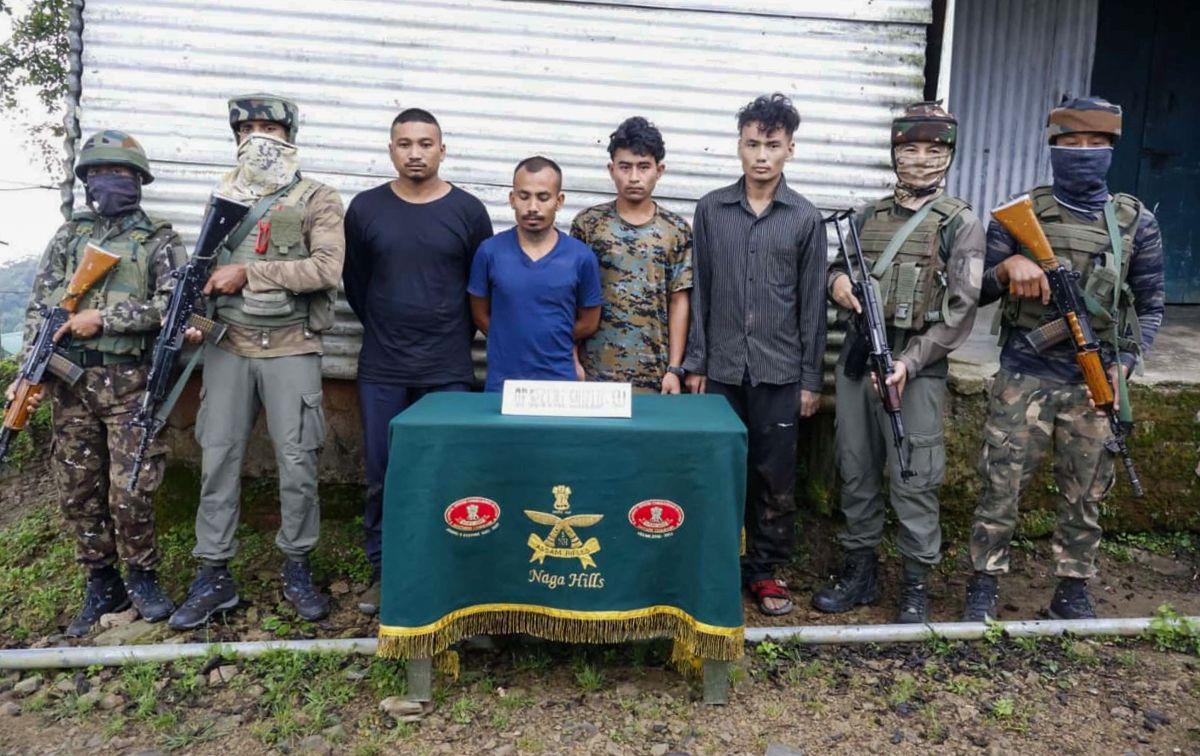
- Profile of suspects and sponsorship questions: Early arrests and the profile of accused (young local actors allegedly involved) plus rapid denials from known militant groups (People's Liberation Army of Manipur, PLA, denied role in some reports) raise the possibility of a third-party hire or local operators acting for political ends, rather than a classic guerrilla ambush by an insurgent chain of command.
Intelligence reporting and press coverage say the probe is exploring whether it was a 'contract' style attack. - Modus operandi and forensics: Where ambush patterns, target selection (a convoy intended to attract media attention), and the absence of a credible claim by established groups occur together, it points investigators to a politically directed provocation rather than a territorial insurgent action.
Media reporting of the Nambol incident flagged these investigative lines. - Operational simplicity consistent with hired action: Contract-style attacks often use small local teams to produce a dramatic result then disperse; if corroborated by phone records, cash trails or rapid movement across community lines, that supports the theory. Authorities are reported to be tracking those leads.
Taken together, these indicators do not prove a contract killing in public reporting yet, but they justify why security agencies are treating a politically motivated provocation as a serious hypothesis worth prioritising in the investigation.
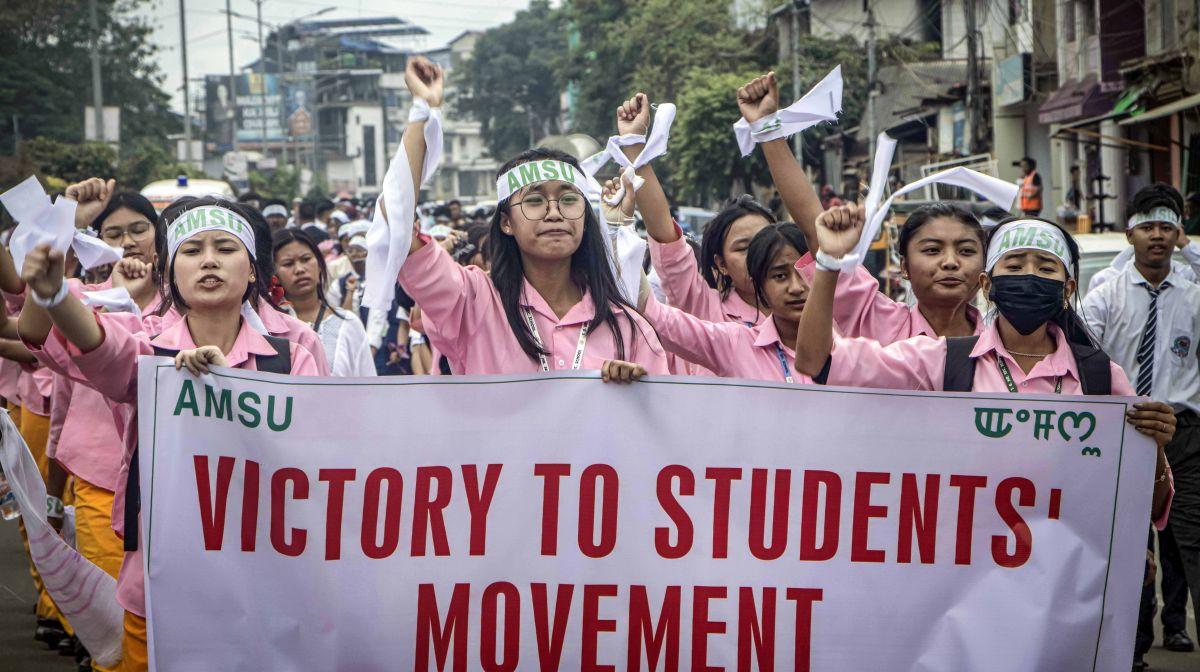
Security agencies are also reportedly investigating whether the PLA has been operating with any political patronage -- what serious threat does this raise for national interest?
If a militant group like the PLA is operating with political patronage (real or perceived), the consequences are severe:
Erosion of state legitimacy: If sections of the political class are seen as supporting or sheltering militants, public faith in civilian governance and rule-of-law collapses -- this fuels vigilante reactions and reciprocal mobilisations.
Operational impunity for militants: Political protection can allow groups to recruit, rearm and operate with reduced operational pressure. That increases their bargaining power and their ability to destabilise.
Intelligence compromise and penetration: Patronage relationships create vectors through which militants can obtain state information, access local administration, or influence appointments, a direct national security risk.
Normalisation of violence in politics: Militants become instruments in political contests (black-ops, intimidation, vote manipulation), which slowly converts the insurgency into a political mercenary economy.
Recent reporting says agencies are investigating whether the PLA has benefited from political protection; that investigation is rightly being treated as high priority because these risks are existential for local governance and for restoring confidence.
- Part 2 of the Interview: 'Peace Is Fragile, Remains Vulnerable To Provocations'
Feature Presentation: Aslam Hunani/Rediff







 © 2025