
'Militants are taking over the administration. Fundamentalists have been released from jail.'
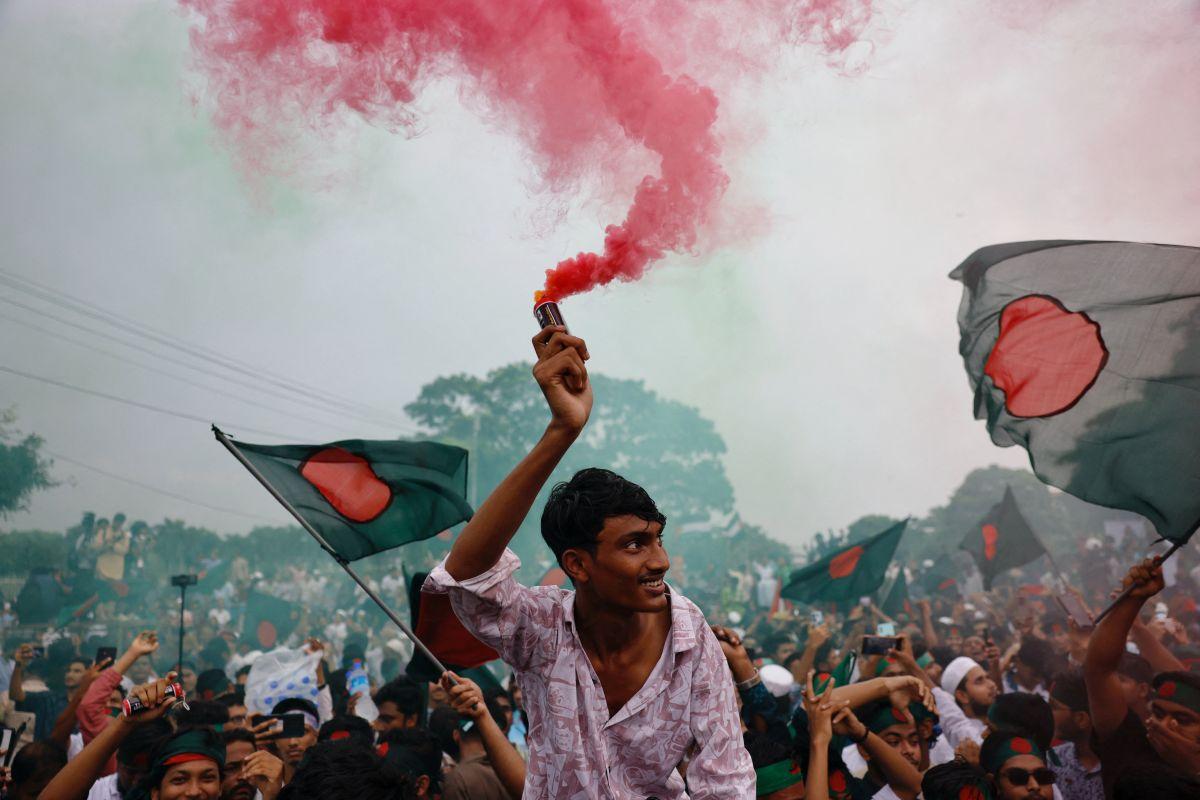
"On August 5, 2024 when Sheikh Hasina was ousted out of the Ganabhaban palace, the Bangaldesh prime minister's official residence, political parties and people in the street were united against her.
"Today, they are actually split three ways," says senior journalist and Press Club of India President Goutam Lahiri.
Mr Lahiri has reported on most Bangladesh elections, visited the neighbouring country many times and has vast experience of covering Bangladesh politics.
He has interviewed Sheikh Hasina several times and written for Bangladeshi publications.
"Bangladesh is in a hotchpotch sort of situation. I don't see any golden future," Mr Lahiri tells Rediff's Archana Masih in a two-part interview on the first anniversary of the fall of Sheikh Hasina.
Following last year's student-led uprising that ousted Sheikh Hasina exactly a year ago, where do India-Bangladesh relations stand currently?
India and Bangladesh had a strategic partnership during Sheikh Hasina's tenure as prime minister. The relations collapsed with the fall of her government.
Visas are not being issued like they were in the past and travel has almost stopped.
Only essential items are being transported through the land borders.
Just at the end of a year since she was deposed, there seems to be a sliver of improvement. A new high commissioner to India was appointed in April.
High Commissioner Raiz Hamiduallah has been very active since he took office. He is trying to reach out to the political leadership, civil society and cultural representatives of Indian states that neighbour Bangladesh.
The Government of India must have given him clearance and that is how he met Foreign Secretary Vikram Misri and several chief ministers. He met Chief Minister Mamata Banerjee of West Bengal.
He visited Shillong, Meghalaya. He went to the Dawki border. He met the chief minister of Assam who has a controversial position on Bangladeshi migrants and has expelled more than 300 illegal immigrants.
Hemanta Biswa Sarma was gracious to welcome him which I think is a good sign.
He then went to Tripura and met Chief Minister Manik Saha and the governor. He inspected the Agartala-Akhaura rail link project that is stalled because of the political turbulence in Bangladesh and the attack on Indian contractors and workers.
He visited infrastructure projects and the Maitri Setu with the hope that the normal relationship will begin and the connectivity will resume.
What is the political situation between the two neighbours?
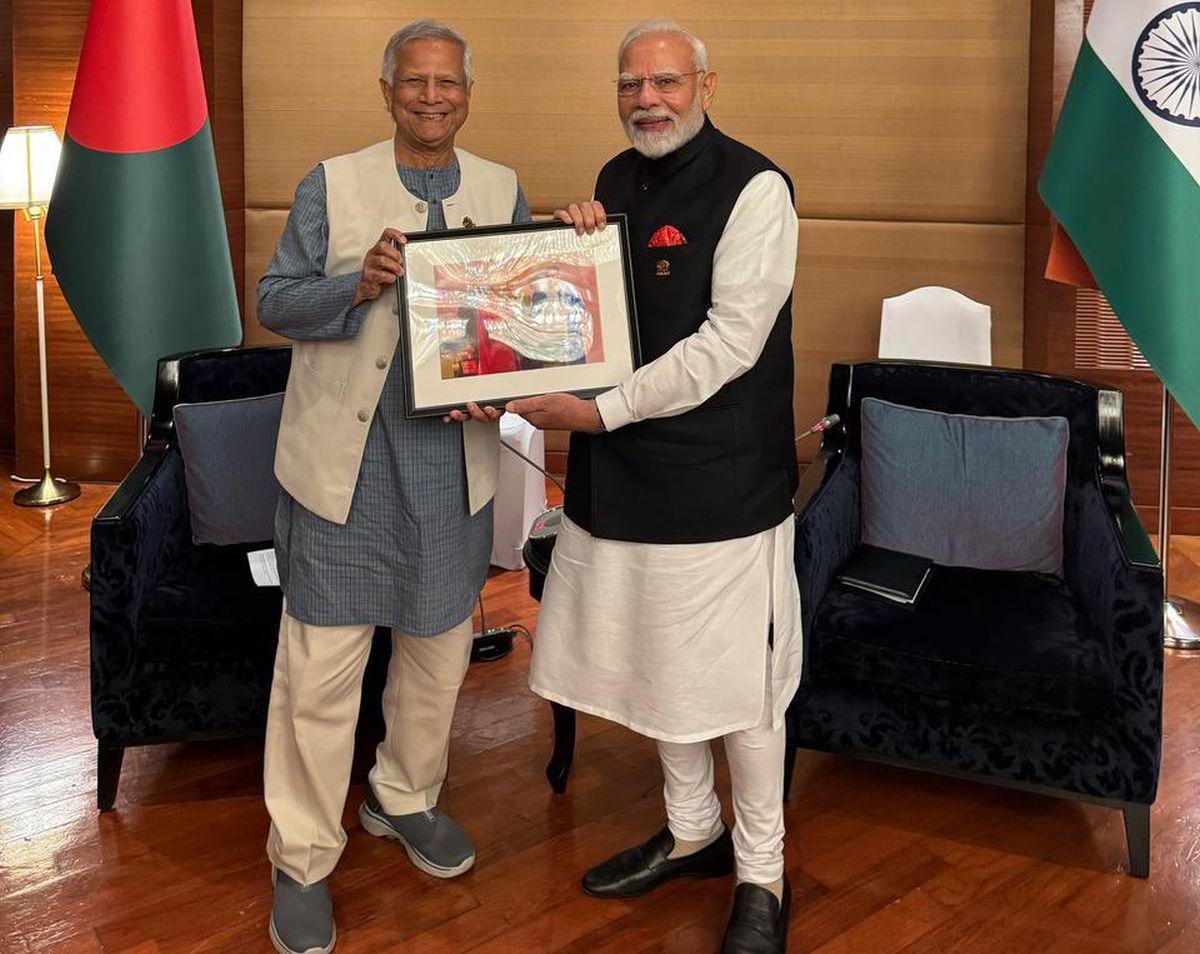
The Government of India has reached out to all sections, all stakeholders of Bangladesh. Sheikh Hasina, the ousted prime minister, has been allowed to meet her people in Delhi.
The Opposition Bangladesh Nationalist Party is also is in touch with India.
The Government of India has opened a window, you can say.
The government of Professor Muhammad Yunus is not a legitimate government.
The Bangladeshi constitution says the interim government cannot stay beyond three months. But the Yunus government is continuing in office with a manufactured supreme court judgment.
It will be a year since Muhammad Yunus took charge of the interim government. What is the sentiment in Bangladesh towards the interim government?
On August 5, 2024 when Sheikh Hasina was ousted, political parties and people in the street were united against her.
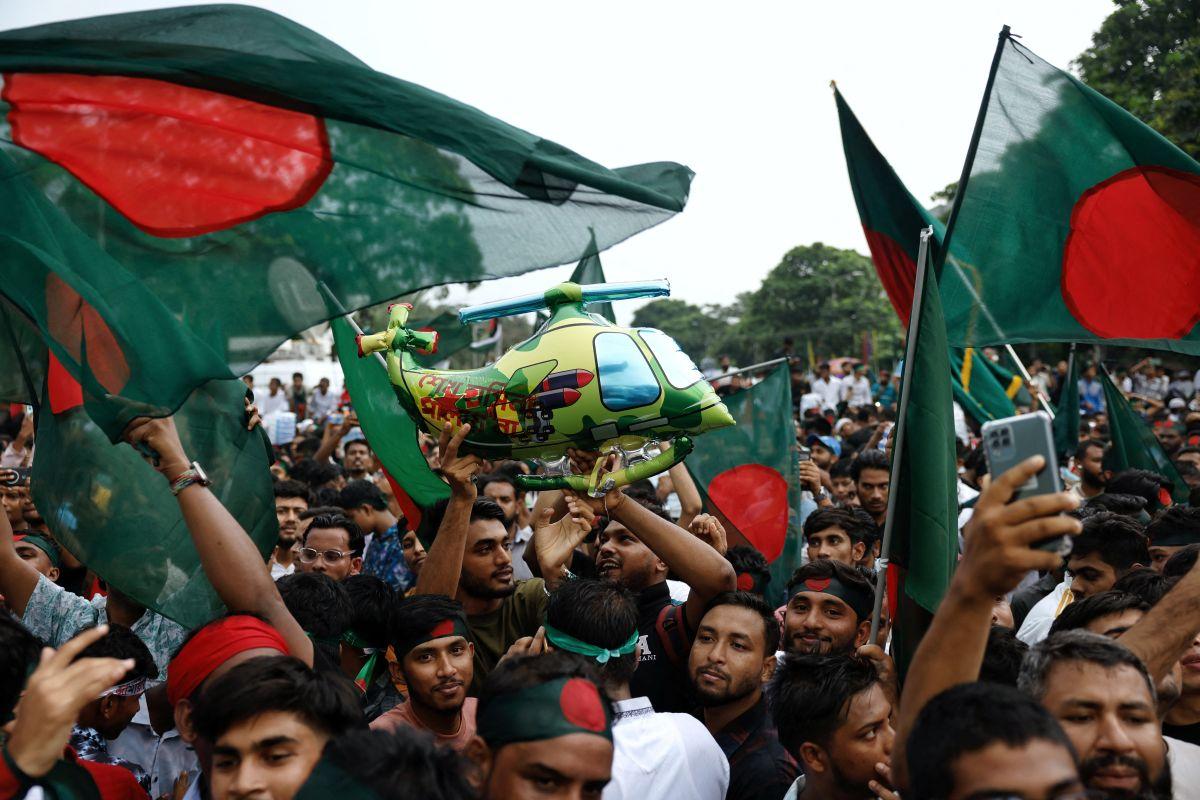
Today, they are actually split three ways. Two days ago the students and the BNP organised separate celebrations for the one year anniversary.
I am told that Jamaat-e-Islami would be doing another meeting.
A year later all political stakeholders are divided among three players.
Therefore, there's no sign of any sort of political consensus, a year later?
There is no consensus on how the country will be governed. The students have a different plan. They are openly saying that the July revolution was not for removing one party and bringing back another.
They ousted the Awami League, but that doesn't mean that they want to bring back the BNP.
The students want a depoliticisation of the polity. The BNP, of course, is harping that the election should be held as early as possible.
What will India Bangladesh relations be if the BNP wins the next election? Last year, the Indian high commissioner met BNP leaders in Dhaka.
It is up to the people of Bangladesh. India had maintained a relationship with the BNP. As prime minister Begum Khalida Zia has travelled to India and trade and commerce agreements were signed.
Before that when there was an army backed government, the Government of India gave them duty free access at the SAARC summit in Delhi.
India has always engaged with the governments in Bangladesh. Obviously, there will be some party that will be better for India as it has been with the Awami League.
India has maintained that there should be an inclusive election, participation of every political party.
The BNP even yesterday has said that the Awami League should not participate in the election which indicates that the party still enjoys the support of the people.
Bangladesh is in a hotchpotch sort of situation. I don't see any golden future.
At the same time militants are taking over the administration. Fundamentalists have been released from jail. The death sentences given to terrorists have been converted to life sentences. I think, they may even get bail later on. One of them is the fugitive ULFA chief Paresh Barua.
Militants and fundamentalists are actually running the show from behind.
At the National Citizen Party rally to mark the one year anniversary, the student leaders said they did not want Sheikh Mujib's constitution. They demanded a new constitution, a new Bangladesh and August 5 as the second revolution of Bangladesh.
Feature Presentation: Aslam Hunani/Rediff






 © 2025