
'At Keeladi, we have not come across any evidence for organised religion.'
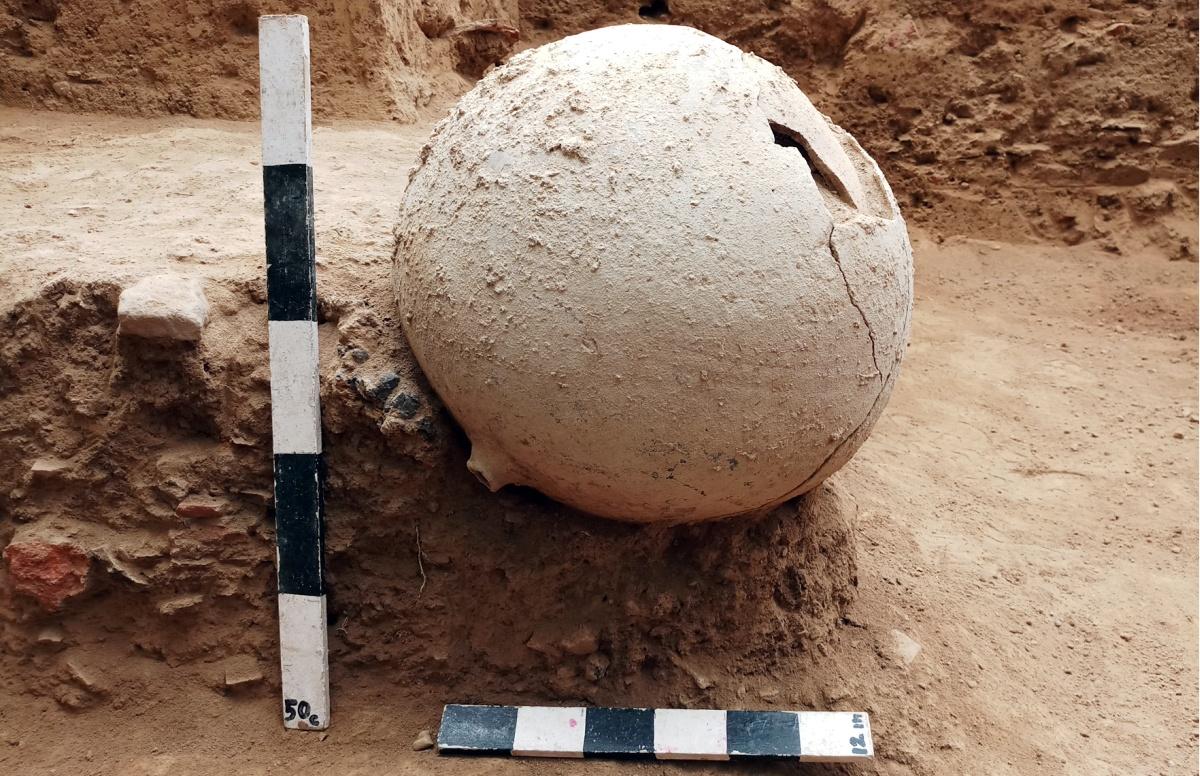
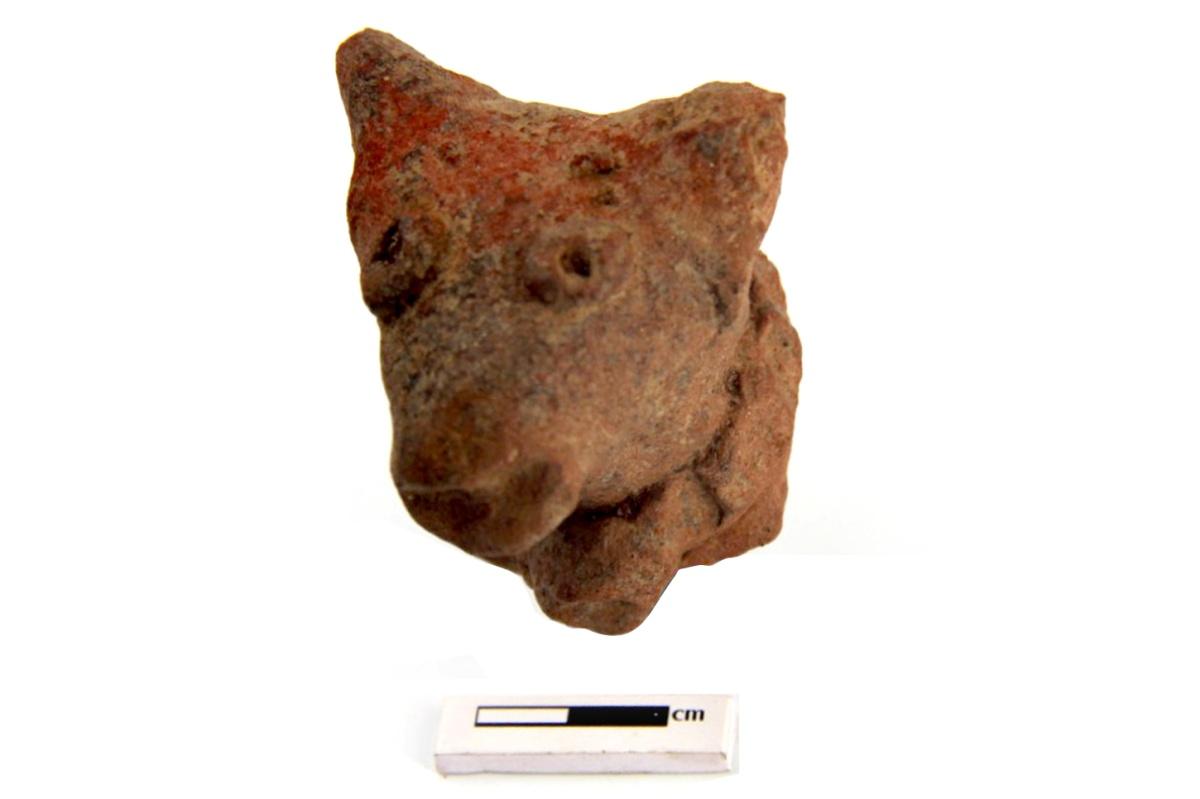
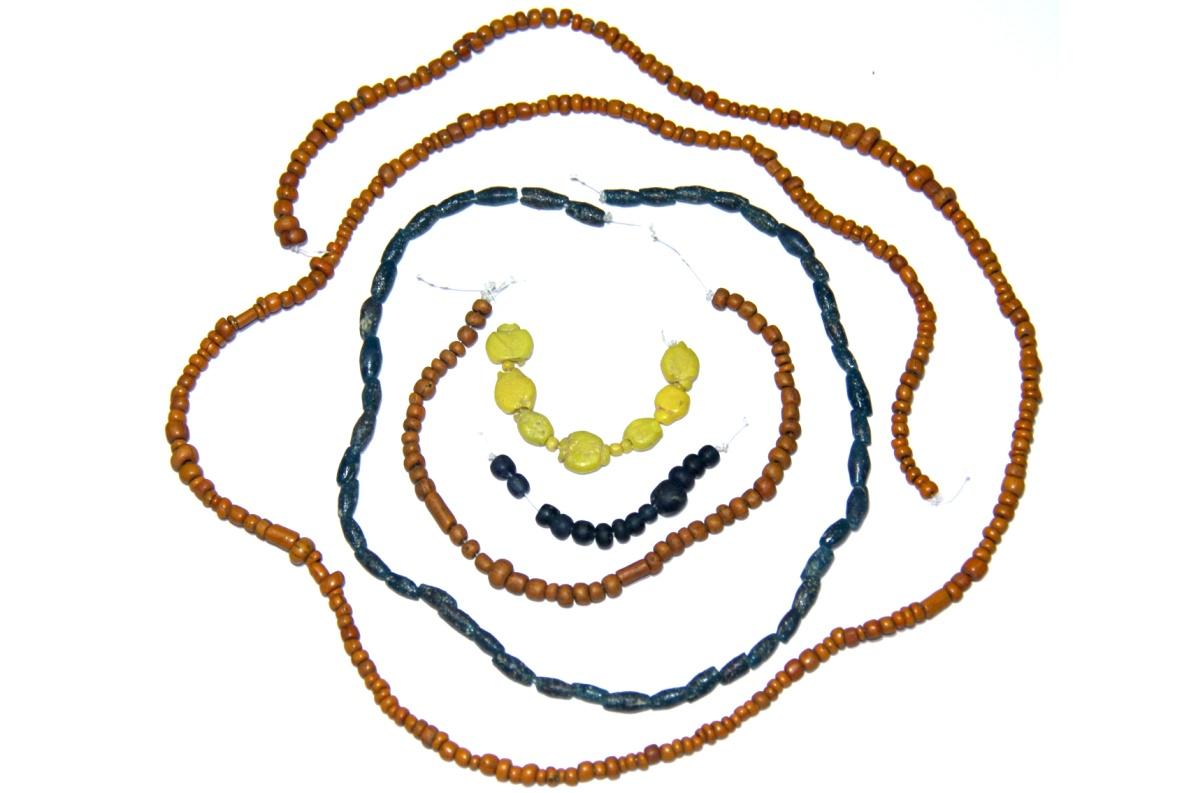
Keeladi is a small town near Madurai where excavations have revealed evidence of an advanced urban civilisation dating back to at least the 6th century BCE.
The site shows cultural links with the Indus Valley civilisation and challenges long held views about ancient South India.
After initial excavations by the Archaeological Survey of India unearthed over 7,500 artefacts, a report was submitted but not accepted, leading to the lead archaeologist's transfer.
Following a court order, the Tamil Nadu government took over the work and is now demanding official recognition and release of the Keeladi findings, which have sparked both historical and political debate.
R Balakrishnan, a former civil servant of the Odisha cadre, is the author of Journey of a Civilization: Indus to Vaigai.
"In the context of present India, an element of Harappan will be found in a majority of the population," R Balakrishnan tells Rediff's Shobha Warrier in the final part of a two-part interview:
- Part I of the Interview: What Does Keeladi Tell Us About Our Civilisation?
Did it surprise you that the Keeladi excavation did not find any religious artefacts which makes the civilisation secular, modern, mature and very advanced?
Not at all.
To understand the foundational values, societal priorities and way life, one needs to have a glimpse of understanding ancient Tamil work, namely Tolkappiyam, and the literary corpus known as Sangam texts.
God was one of the constituent elements of a specific landscape. There was no creator God who made this world.
Life portrayed in the deepest layers of Sangam texts was very pragmatic, fun loving and materialistic.
At Keeladi even after 10 sessions of excavations, we have not come across any evidence for organised religion or the artefacts associated with that.
This is not to say society had no faith or belief system. But, certainly religion was certainly not the central concern of that society. The earliest layers of Sangam literature also indicates exactly that.
South Indian civilisation was looked down as primitive all the time. Do you feel Keeladi changes the narrative?
It was a baseless narrative. Such notions of superior-inferior -- primitive-civilised types of black and white binaries are not only outdated but also retrograde.
I subscribe to the idea of India which is inclusive, diverse and plural even at the foundational levels.
To be frank, we had no clues about the urban climax achieved in the Indus Valley till John Marshall came and announced it in 1924.
We did not know the details about emperor Ashoka before 1837 when James Prinsep deciphered the Brahmi and Kharosthi scripts used in Ashoka's inscriptions.
You said southern archaeology suffered an institutional neglect all through. Do you think there is an effort to suppress the Keeladi findings also which puts Dravidian civilisation as old as the Indus Valley?
I don't look at the delay and institutional resistance with reference to the Keeladi report in isolation, it marks a continuity indicating a sort of archaeological apathy.
Hence, the delay and denial of the Keeladi report and findings are neither a shock nor a surprise. It has followed an expected pattern.
Let me take the example of Adichanllur. The site was visited by Dr Jagor of Germany and explored in 1876.
The first systematic excavation was done by Alexander Rea of the Archaeological Survey of India in 1904.
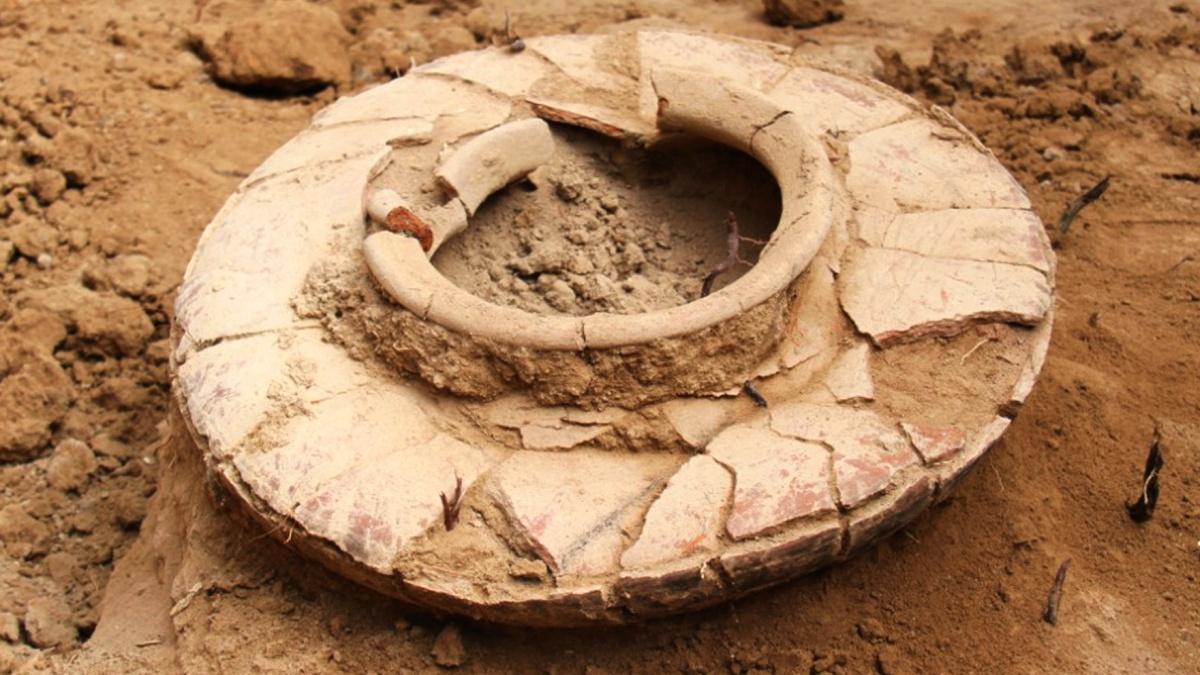
That excavation revealed a variety of artifacts, including gold diadems, bronze and iron objects, and pottery.
At that time, Harappa and Mohenjadoro were nowhere in the picture.
And no one in Rajasthan and Haryana were searching for the Vedic Saraswati.
After the discovery of the Indus Valley Civilisation, K N Dikshit, the director general of ASI, during his visit to the then Madras in the mid-1930s made a statement, 'a thorough investigation of the area in Tirunelveli district and the neighbouring regions such as the ancient sea port of Korkai will one day lead to the discovery of some site which would be contemporary with or a little later than that of the Indus civilisation'.
What anticipation! But did any one listen?
It took another 70 years for T Sathyamoorthy of the ASI to explore the site in 2004-2005. That is, exactly 100 years after Rea and 70 years after Dikshit's statement.
But Satyamoorthy's report did not come through even after more than a decade. It required an order from the high court to send the samples from Adichanallur to the laboratory for carbon dating.
It is strange why judicial intervention was called for in first place.
In the meantime, T Satyamoorthy, the excavator, participated in a symposium on the Indus Valley and Tamil language, and drew parallel with Indus sites while discussing the findings at Keeladi. But it took another 13 years and a court order to extract the ASI report.
The same story is now being repeated in Keeladi.
It is a tragedy, to say the least. That is why I call it archaeological apathy, institutional neglect.
If the Indus Valley Civilisation and Dravidian Civilisation existed almost at the same time, what about the theory of people from that part moving to the south once the Indus Valley Civilisation collapsed? Would you say it was a wrong theory?
I won't jump the gun.
Ancient genomic studies throw much more reliable evidence now.
In the context of present India, an element of Harappan will be found in a majority of the population.
Migrations in the past were absolutely inevitable. The reason could be anything -- natural calamities and the search for a better life. People migrate even now carrying their language, identities and ideologies. It is a continuous process.
I give more importance to the fact of migrations in the past than to the trajectories.
But applying some important yardsticks such as high level of urbanism, maritime trade, level of knowledge about oceans, place of women in society, place of religion in day-to-day life, pastime activities, I put forth a reasonable suggestion that of all the classical texts of India, the ancient Sangam literary corpus, contain huge amount of carried forward memories of an urban past. Sangam texts are the legacy holders.
It won't be out of context to remind that of all the hypotheses with reference to the linguistic affiliation of the Indus Valley population to the Dravidian hypothesis is considered as a more promising one.
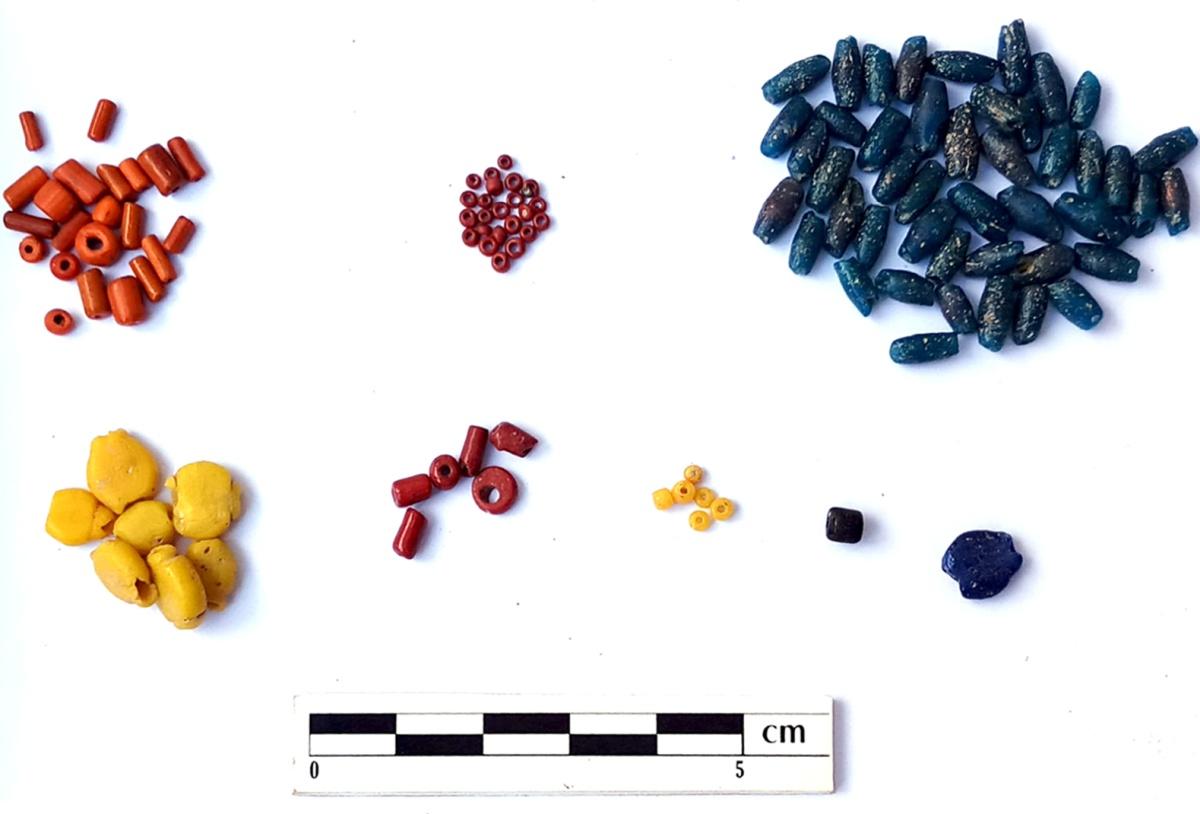
Like Keeladi, the excavations in Pattanam, a trade port city in Kerala, also revealed almost similar results, a civilisation that was urbanised, a civilisation that was secular, modern and mature, and both belonged to the Sangam period.
How do you compare the cultural and economic similarities of Pattanam and Keeladi?
The findings from Pattanam are phenomenal.
It is believed to be the site of the ancient Muziris, a major port city, and Sangam literature talks about merchants coming with gold from Rome, and going back with spices.
The port was not on the sea but near the mouth of the river Periyar. It is a riverine port that opens to the sea. Sangam literature talks about the different methodologies used when ships enter the river from the sea at the port.
In the Austrian National Library in Vienna, you can see the Muziris papyrus, a 2nd century CE tripartite trade document written in ancient Greek and signed between a trader in Pattanam and a financier from Alexandria.
The ancient Tamil economy had twin capitals, an interior political capital and an economic capital which was a port city.
The political capital of the Pandyas was Madurai while the economic capital was Korkai.
For the Cheras, the political capital was Vanchi and the economic capital was Muziri Pattanam or Thondi.
That's why I said the findings in Pattanam are phenomenal, as phenomenal as Keeladi.







 © 2025