

'Bihar's voters' electoral memory is long, and their evaluations are relational -- like, who came to the village, who followed up, who resolved a problem.'
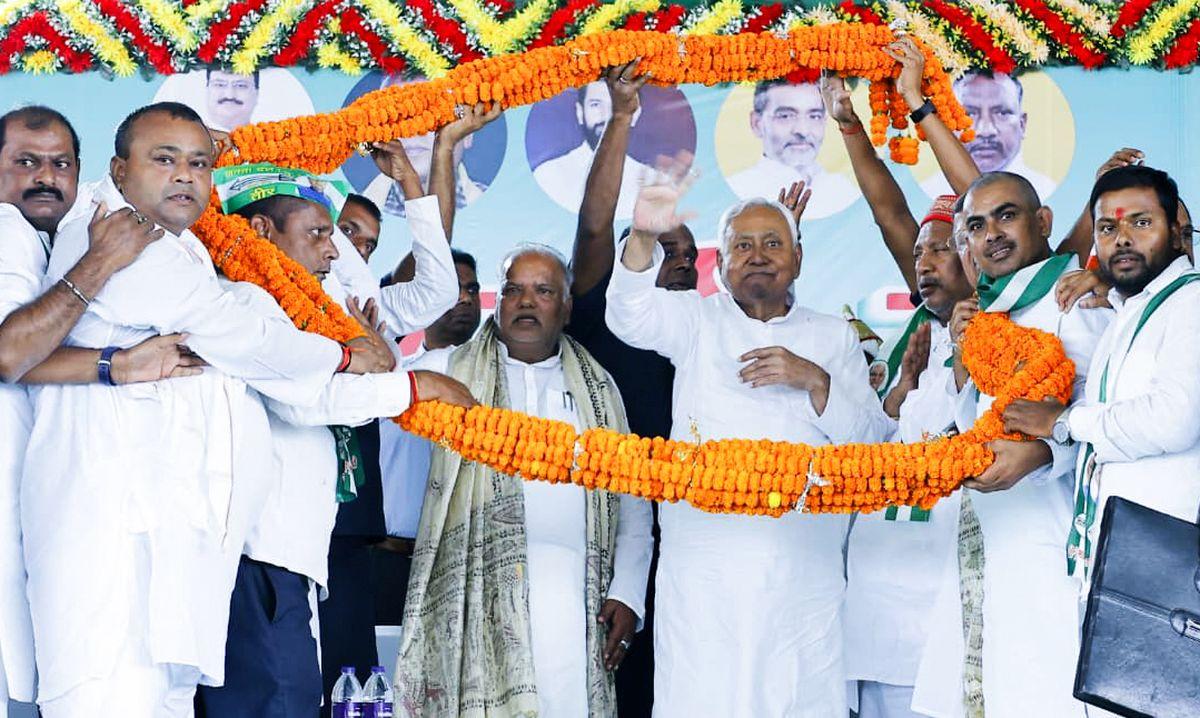
Bihar elections are not free of money or spectacle, but those are filtered through a localised, socially embedded mode of democracy.
"While much of the Hindi belt has moved toward a centralised, personality-driven style, Bihar still demonstrates a bottom-up, relational model of electoral politics; one that rewards presence, credibility, and community ties over mere visibility and media blitz," says Dr Vignesh Karthik KR, postdoctoral research fellow in Indian and Indonesian politics at the Royal Netherlands Institute of Southeast Asian and Caribbean Studies, Leiden.
In a must-read interview to Rediff's Archana Masih, he discusses the uniqueness of Bihar's democracy, the limitations of money power and how a younger, semi-urban electorate -- fatigued by old loyalties, yet sceptical of Delhi's spectacle -- may quietly decide Bihar's November test.
In a recent column you wrote that Bihar offers a different model of democracy compared to other states? Could you elaborate on that premise, especially with respect to other Hindi heartland states?
Yes, the premise of the column was that Bihar's democracy operates through a very different grammar of politics compared to much of the Hindi heartland.
In states like Uttar Pradesh or Madhya Pradesh, we increasingly see the dominance of leader-centric, media-driven campaigning, what we call 'spectacle democracy', where politics is mediated through television debates, social media messaging, and algorithmic virality.
Campaigns there are often about projecting a single figure or party brand, reinforced by significant spending and centralised control over messaging.
Bihar, by contrast, retains a dense, ground-level form of electoral politics. Its democracy rests on older infrastructures of social relations; caste networks, local brokers, and repeat face-to-face contact.
Voters tend to assess candidates not only by party or ideology but by what we call niyat (intent): A moral assessment of whether a leader genuinely delivers and can be trusted.
So, rather than big rallies and mass optics determining outcomes, Bihar's elections are negotiated through micro-social networks, ward meetings, panchayat mobilisations, and kinship ties.
This doesn't mean it's free of money or spectacle, but those are filtered through a localised, socially embedded mode of democracy.
In short, while much of the Hindi belt has moved toward a centralised, personality-driven style, Bihar still demonstrates a bottom-up, relational model of electoral politics; one that rewards presence, credibility, and community ties over mere visibility and media blitz.
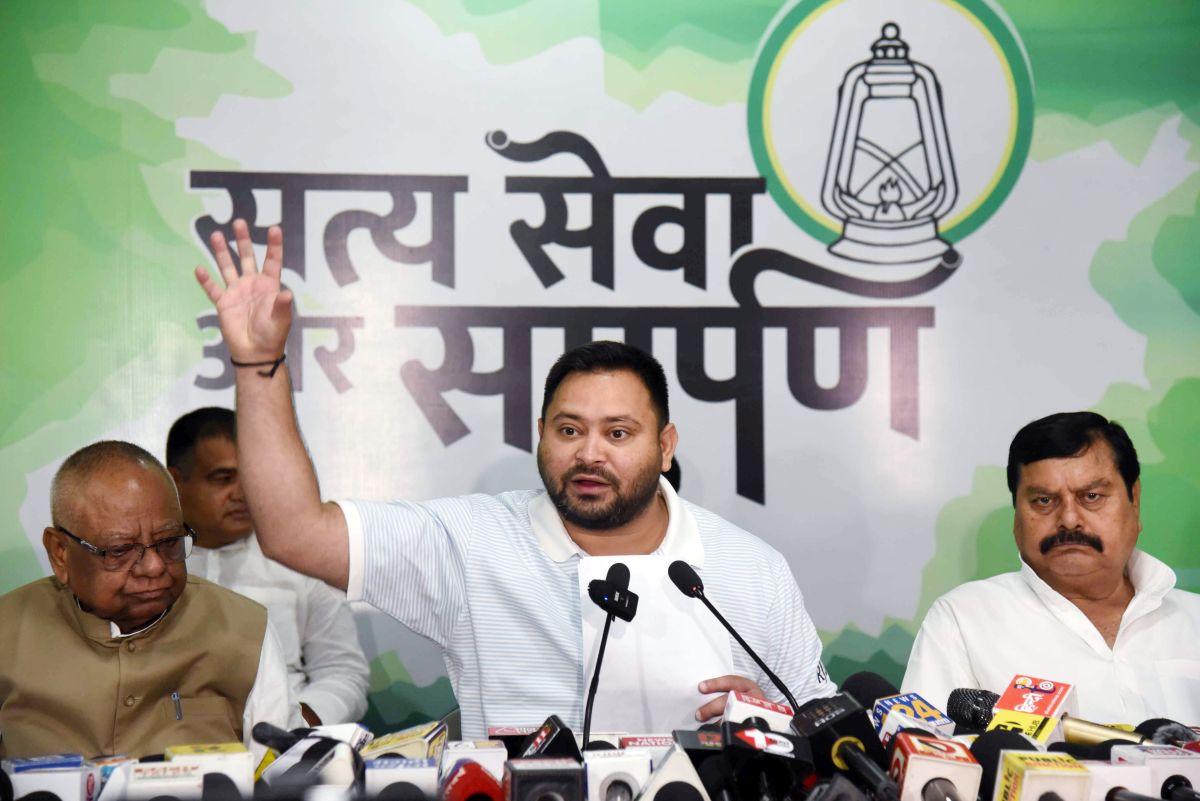
As elections get more and more expensive, especially in terms of the BJP's organisational and funding power - attributing a term used by you -- 'local boots with a Delhi wallet' -- how much do glitzy campaigns and direct cash transfers (eg, 10,000 to women to start business) help in pulling votes on polling day?
While money and large-scale campaigns certainly matter, Bihar demonstrates the limits of spectacle when it isn't backed by social embeddedness.
The BJP's 'local boots with a Delhi wallet' model where national-level resources are channelled through local operatives gives it great reach and visibility. But Bihar's political culture doesn't respond or has not responded so far mechanically to visibility or one-time cash transfers.
A glitzy campaign may get attention, but has not converted into durable trust without a sustained local presence, one of the reasons why BJP is heavily reliant on a leader like Nitish Kumar.
Direct benefits like the Rs 10,000 transfer schemes can shape voter perceptions, but even there, it's not the money alone that wins votes; it's whether that transfer is seen as credible, recurring, and tied to a relationship of accountability and hence it needed to be in the name of Chief Minister Nitish Kumar although it as launched by the prime minister.
Bihar's voters' electoral memory is long, and their evaluations are relational; who came to the village, who followed up, who resolved a problem. In this sense, Bihar is not anti-modern but post-spectacle; a place where democracy still depends on everyday presence, reputation, and a social economy of credibility.
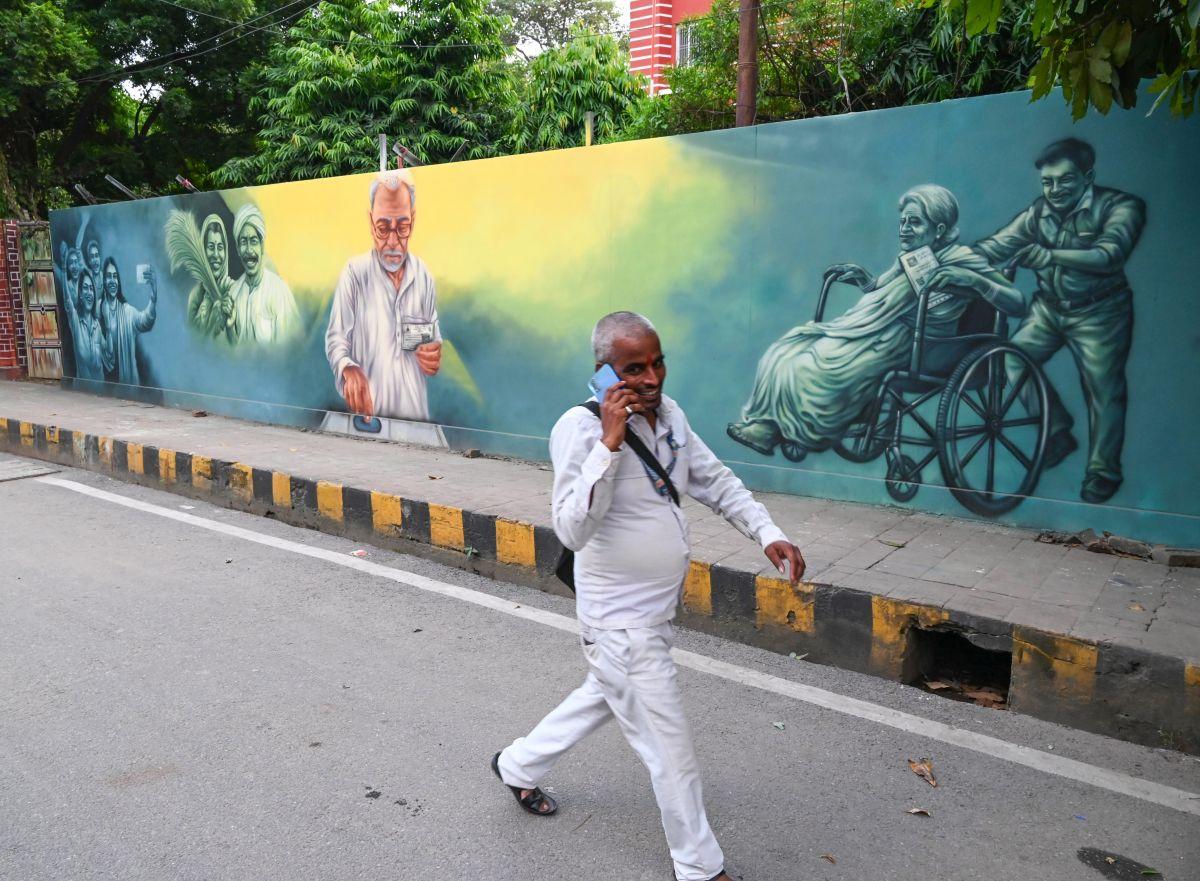
Are cash transfers before elections now a norm, bypassing concerns about the financial health of the state or the Centre? Plainly put, is this not political bribe funded by the exchequer?
The difference lies in how we choose to see it.
Such schemes undoubtedly give a disproportionate advantage to incumbents. Those already in power have the machinery and fiscal space to deliver these benefits, while challengers cannot easily match them.
Yet, it's important to note that much of this spending is directed toward women, the poor, and marginalised castes.
In a period of widening income inequality and depressed consumption among the lower classes, such transfers can also be viewed as a form of redistribution rather than outright bribery.
Field insights from across India suggest that these schemes don't always translate into electoral victories. The recent elections in Andhra Pradesh and Odisha are instructive: despite generous welfare spending, governments still faced strong anti-incumbency.
In the end, voters seem to differentiate between welfare as entitlement and welfare as inducement; suggesting that money alone does not buy trust or votes. The agency of voters ultimately remains their own.
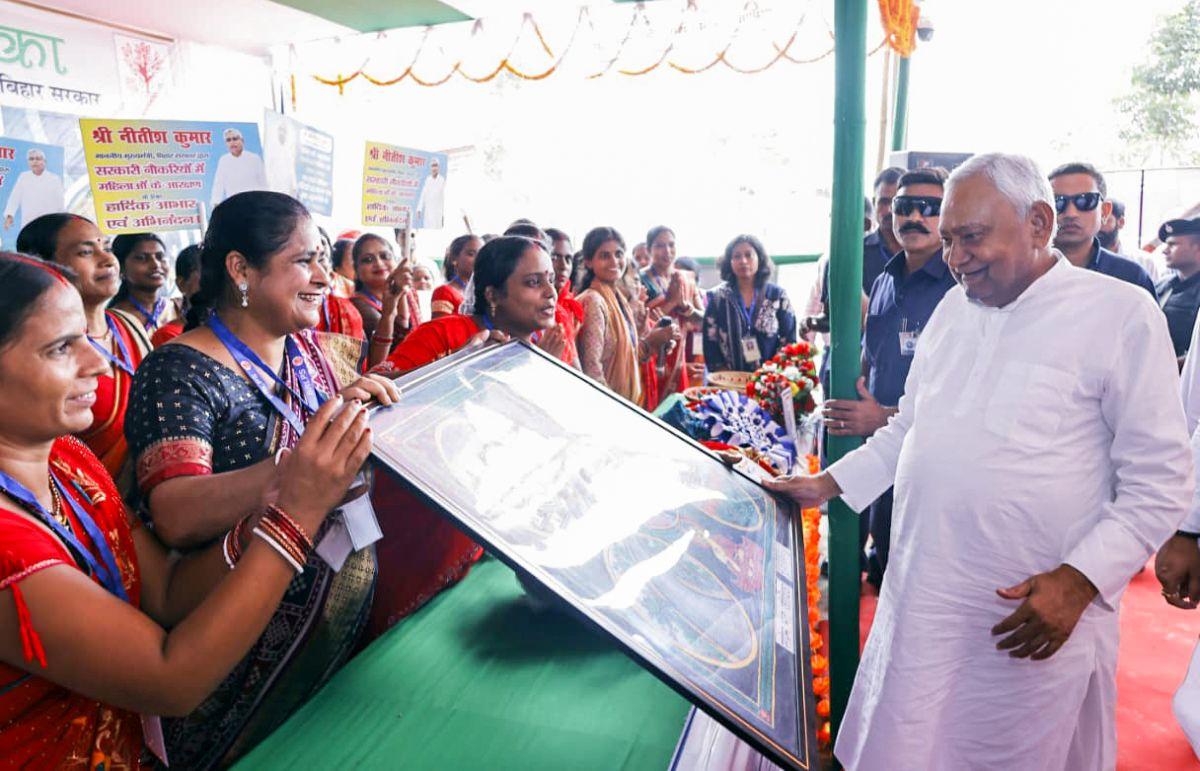
Who are the primary political figures that will make or break this election -- both behind the scene and in the forefront? Are there any dark horses that one should watch out for?
The visible contest will feature familiar figures Lalu Prasad Yadav, Nitish Kumar, Narendra Modi and Tejashwi Yadav, but Bihar's elections are rarely decided by faces alone. Power here flows through networks of trust, caste solidarity, and local leaders.
Nitish still commands the administrative web he built over two decades; the BJP brings money, messaging, and organisational discipline; and Tejashwi, under Lalu's watchful guidance, has rebranded the RJD as pragmatic rather than purely nostalgic.
Behind the scenes, Lalu remains a moral anchor for the RJD's core base, his voice still carries emotional weight among backward-caste and minority voters.
Meanwhile, Prashant Kishor's Jan Suraaj represents a different kind of disruption -- the outsider's appeal to a disenchanted electorate, a symptom of the fatigue with traditional politics. Alongside him, the LJP factions, Mukesh Sahani's VIP, and the CPI(ML) in rural belts add further layers of unpredictability.
The dark horse may not be a person but a mood. A younger, semi-urban electorate fatigued by old loyalties yet skeptical of Delhi's spectacle. They may quietly decide Bihar's November test.
- Part 2 of the Interview: 'BJP Will Replace Nitish Kumar If...'
Feature Presentation: Aslam Hunani/Rediff





 © 2026