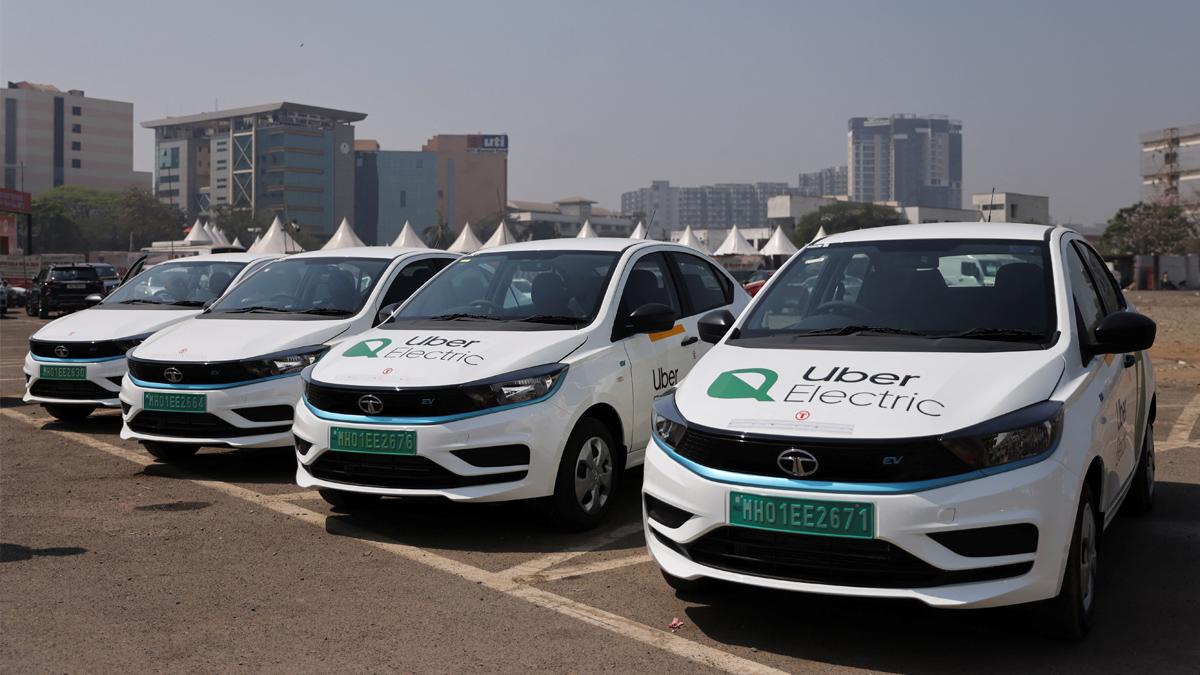
Uber has rolled out a nationwide subscription-based model for its driver partners across all form factors -- cars, autos, and bikes.
The move brings Uber in line with other major aggregators, including Rapido and Ola, which have already adopted subscription structures.
Two factors are seen behind this shift: First, Rapidos rapid expansion, coupled with its subscription offering, has drawn drivers away from traditional commission-based platforms. Second, lack of clarity over GST applicable to commission-based aggregators.
In a statement to Business Standard, Uber said: 'In line with changed market practices, we are now running on a subscription model across all form factors, including cars, autos, and bikes. In the absence of GST clarity on this operating model, this transition reflects the larger industry evolution towards SaaS (software as a service) -based facilitation, already well-embedded in practice.'
Dominic Taylor, Uber's regional general manager, rides, had said in a July interview with Business Standard that the company was testing subscription options and was open to exploring alternative business models.
Under the commission-based system, Uber took 15-20 per cent of a driver's fare, a structure that drivers said eroded their earnings.
However, in the subscription model, a driver just pays a subscription fee and the rest of the income goes to the driver.
"In the subscription model, almost the entire money goes to the driver. At present, Uber has launched daily and monthly subscription plans for driver partners," said an Uber driver.
The shift is also influenced by the way GST is computed. Currently, cab aggregators operate under two models -- commission-based that Uber and Ola followed earlier, and SaaS-based, followed by Namma Yatri and Rapido.
In the commission-based model, GST is 5 per cent without input tax credit (ITC) or 12 per cent with ITC. Under the SaaS model, drivers are charged 18 per cent GST, which they pay themselves. This dual structure created a disparity.
"Since there is no clarity on GST, it does not make sense to continue a commission-based system. The issue is about different tax structures for similar services," said an industry expert.
-- Shivani Shinde, Business Standard
 © 2025 Rediff.com - Investor Information - Advertise with us - Disclaimer - Privacy Policy - Sitemap - Feedback - About us - Terms of use - Grievances