09:07
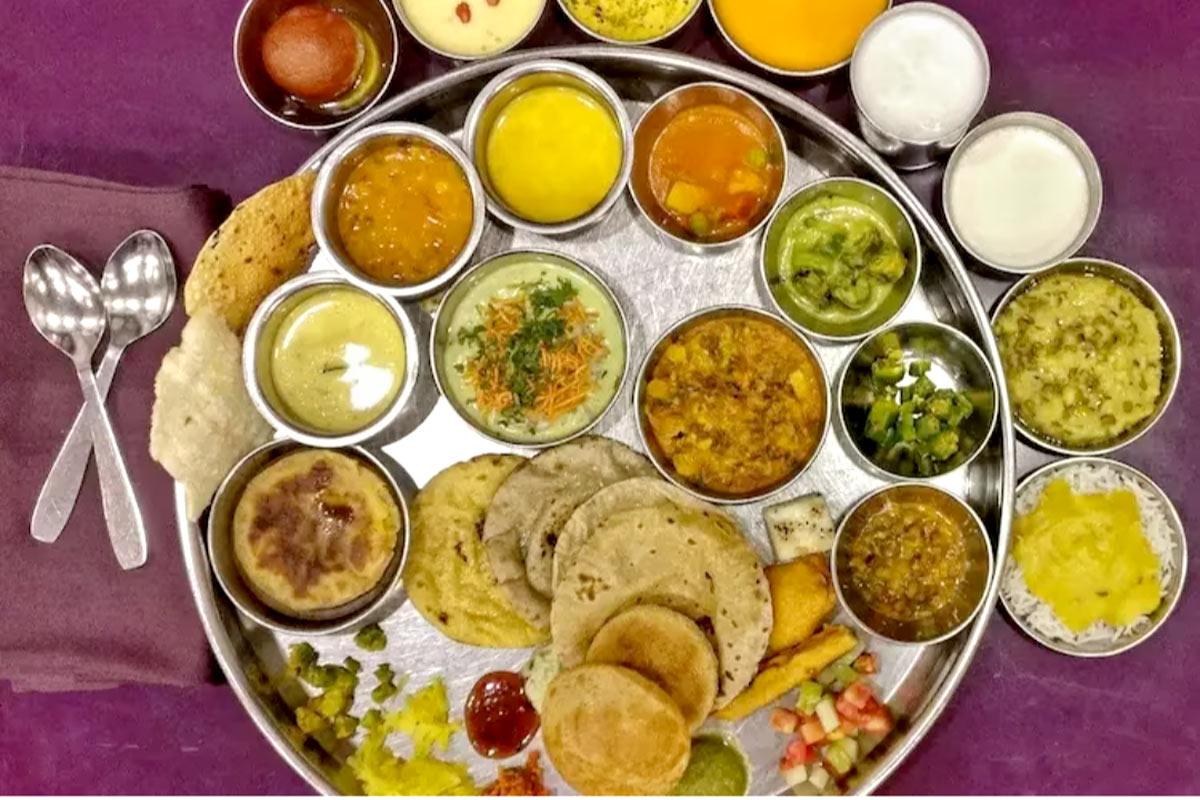
Home-cooked meals became more affordable in July, with the cost of vegetarian and non-vegetarian thalis declining 14 per cent and 13 per cent, respectively, on a year-on-year basis thanks to a drop in prices of vegetables, broiler and pulses, according to the monthly Roti Rice Rate report released by credit rating agency Crisil on Wednesday.
However, on a month-on-month basis, the cost of a vegetarian thali rose 4 per cent in July to hit a six-month high of Rs 28.1, largely driven by a sequential spike in prices of tomatoes as their fresh arrivals declined 27 per cent. The prices of potato and onion also edged up 2 per cent and 5 per cent, respectively, aiding the uptick in thali costs.
The average non-vegetarian meal became 2 per cent cheaper than June levels in July at Rs. 53.5, as broiler prices dropped an estimated 9 per cent due to weaker demand during the monsoon and the onset of the Shravan month.
Key meal ingredients prices, however, continued to trend lower from a year ago.
Prices of pulses and rice fell 14 per cent and 4 per cent year-on-year, respectively, adding to the downward pressure. However, a 20 per cent rise in vegetable oil prices -- despite a cut in basic customs duty -- and a 6 per cent increase in LPG cylinder prices limited the overall decline.
Tomato prices fell 36 per cent to Rs. 42/kg compared to July 2024, while onion and potato prices declined 36 per cent and 30 per cent, respectively, aided by improved output and favourable weather.
Broiler prices, which make up about half the cost of a non-vegetarian thali, also dropped 12 per cent, further easing meal costs.
Pushan Sharma, director-research at Crisil Intelligence, said the cost of meals defied the typical seasonal uptick in July, and thali costs are expected to remain lower on-year going ahead, owing to the high base of steep tomato prices last year.
Anticipated higher production of pulses is also likely to soften prices. However, the extent of the decline may be limited as potato and onion prices are expected to remain firm going forward, Sharma reckoned.
Crisil calculates the average cost of preparing a thali at home based on the input prices prevailing in north, south, east and west India. The monthly change reflects the impact on the common mans food spends.
The data also reveals the ingredients such as cereals, pulses, broilers, vegetables, spices, edible oil and cooking gas, that drive the change in the cost of a thali.
-- Himanshi Bhardwaj, Business Standard
 © 2025 Rediff.com - Investor Information - Advertise with us - Disclaimer - Privacy Policy - Sitemap - Feedback - About us - Terms of use - Grievances