

The BJP's MoSha leadership are past masters in encouraging defections from their allies if it helped their party capture the chief minister's chair.
In Bihar, they are not sure if JD-U MPs and MLAs would be willing to cross over to the BJP if the Nitish leadership came on top -- and the NDA crossed the halfway mark together, observes N Sathiya Moorthy.

Ironical, but true. Despite being together at it through the past five years and more, rival electoral alliances in Bihar have shot themselves in the foot, making guess-work about their victory, as much and nothing more.
The ruling Janata Dal-United-led Bharatiya Janata Party-National Democratic Alliance has decided not to project incumbent Nitish Kumar or any other as their chief ministerial candidate.
In the rival Mahagathbandan, the Congress partner delayed acknowledging Rashtriya Janata Dal leader Tejashwi Yadav as the chief ministerial candidate until after the last minute.
The issues are slightly different, but the perception that both sides have left behind is one of post-poll instability.
This is significant as Bihar, despite external criticism to the contrary, has had a stable government for the past 20 years and more.
In the present instance, Patna-based political commentators say their people would not cause a 'hung assembly', as visualised elsewhere.
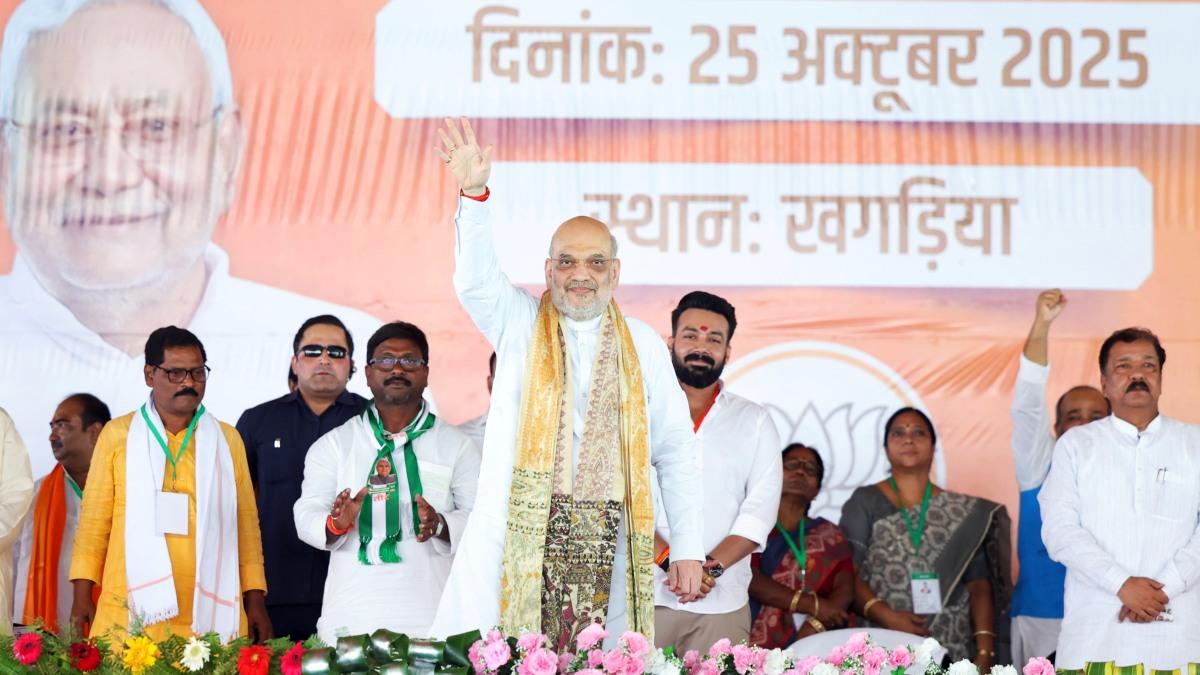
The NDA's problem centres around the ruling BJP at the Centre wanting to have its own chief minister.
In the last assembly elections, the BJP won the second largest seat-share behind the RJD, but allowed the JD-U's Nitish Kumar to continue as CM.
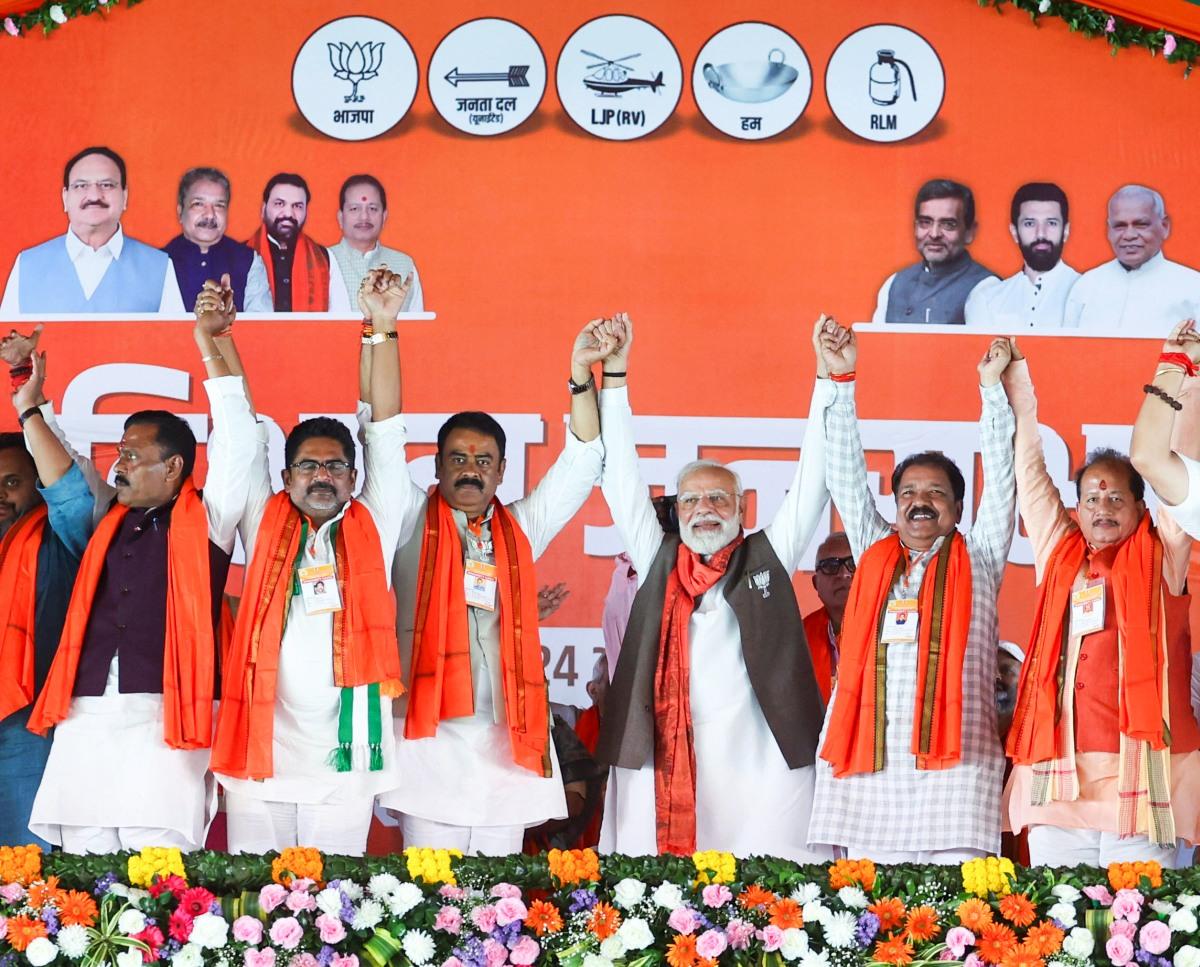
In the 243-seat assembly, the two major allies are contesting 101 seats each, leaving the rest to lesser partners, implying that it still has to be a coalition government if they won.
If the BJP wants the CM post, even if on a five-year rotation, after Nitish has completed his turn, they should have spelt it out, both to the JD-U and in public.
Their indecision in the matter hinges on the theoretical possibility of the JD-U winning more seats than the BJP -- that is if the rival alliance did not capture power.
In private at least, they could tell the JD-U that Nitish's health was failing and he might not be able to pull along this way until the Lok Sabha polls of 2029.
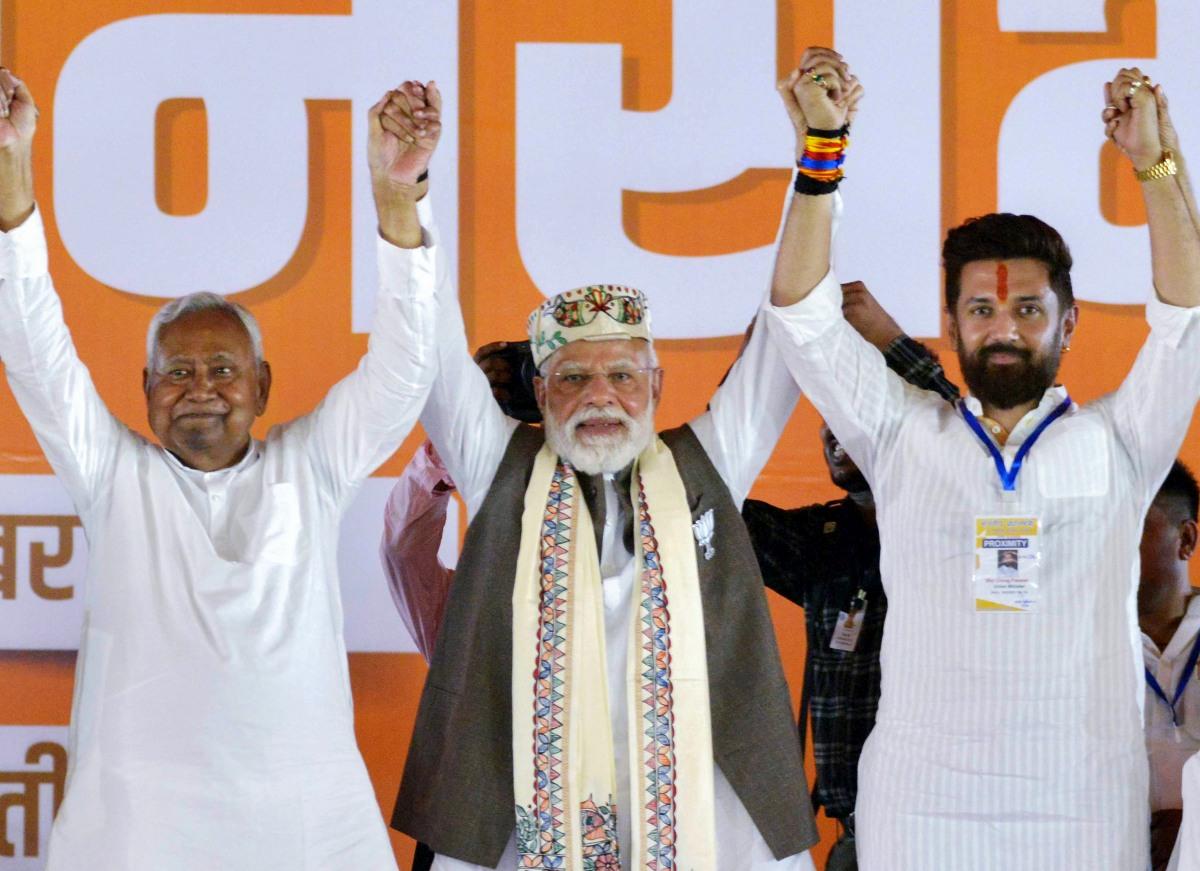
But there is a problem. The BJP's MoSha leadership are past masters in encouraging defections from their own allies, if it helped their party to capture the chief minister's chair.
In this case, the NDA government at the Centre is dependent on the twin support of the JD-U from Bihar and the Telugu Desam Party in Andhra Pradesh.
From the looks of it, the BJP has accepted the TDP's leadership of the three-party coalition in Andhra, where actor-politician, Deputy Chief Minister Pawan Kalyan, forms the third hand.
Indications are that the BJP would endorse Chandrababu Naidu's plans to elevate his ministerial son Nara Lokesh as his successor.
But in Bihar, they are using a different yardstick as Nitish does not have an effective politician for a son or nephew. So, they look at the post-poll operations in Bihar with ease and confidence, but are not sure if the JD-U members of the Lok Sabha and also the new state assembly would be willing to cross over to the BJP if the Nitish leadership came on top -- and the NDA had crossed the halfway mark together.
And clearly, Nitish is not yielding, at least as of now. So, the two allies are already looking at the post-poll scenario, assuming that they had won the elections.
This brings with it certain impediments at the grassroots-level for the two parties.
The temptation for the two of them to try and win more seats than the other within the NDA could cause a situation in which, their cadres cross-work and their supporters cross-vote, or stay at home.
Those instructions might go down the line only at the last minute.
It had happened in other states like Tamil Nadu, where the DMK-Congress alliance cross-voted to ensure that the former depended on the latter for a majority in 1980, while they were in the Opposition in the state, and in 2011, when the DMK was in power.
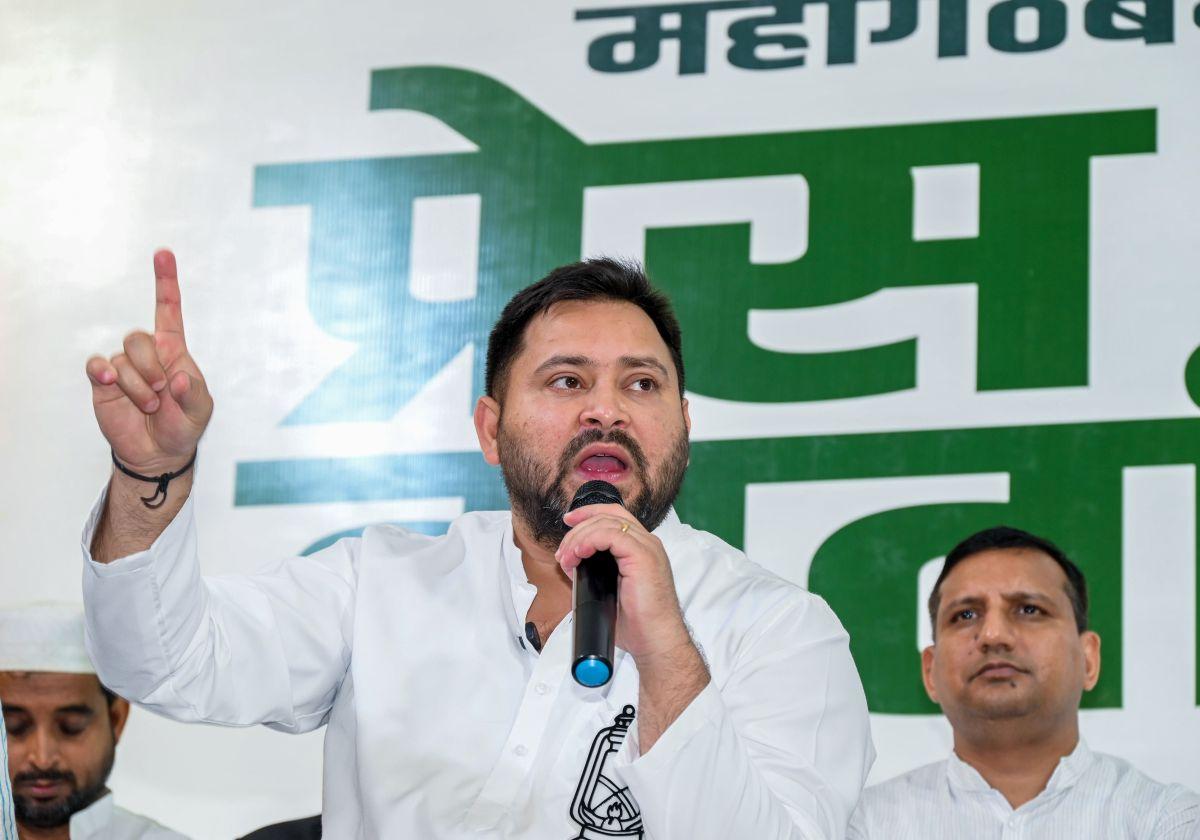
Against such a scenario in the NDA, in the Mahagathbandan the over-ambition of the Congress and their delaying tactic in accepting Tejashwi as chief ministerial candidate spoke volumes.
Incidentally, they don't use the national acronym of 'INDIA' in Bihar.
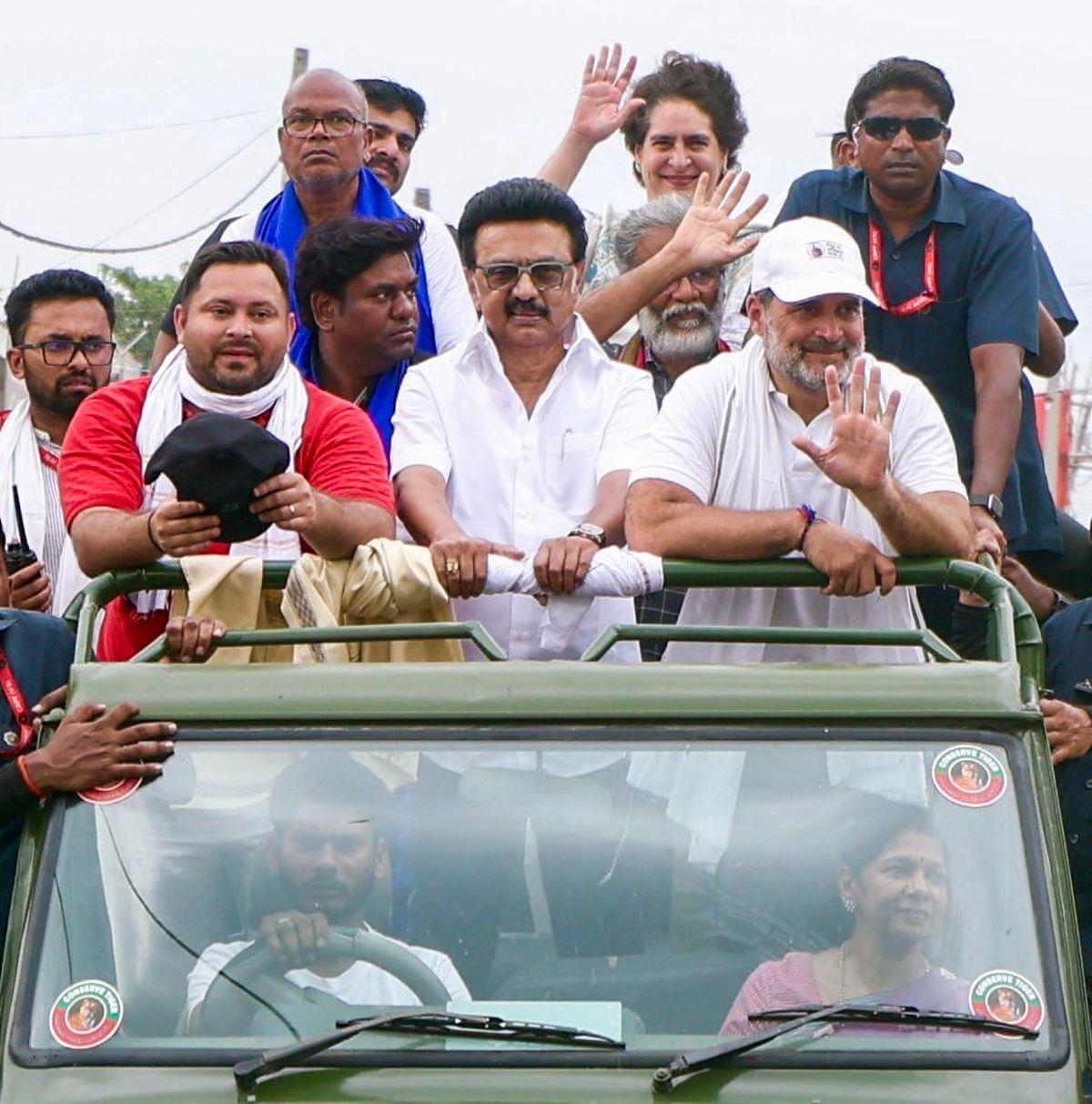
The state Congress has been seemingly enthused by the crowds that gathered for Rahul Gandhi's Voter Adhikar Yatra.
Addressing the constant complaint that the party had scored low in the 2020 election by winning only 19 of the 70 seats contested, Congress leaders claimed that they were allotted 'unwinnable seats' that the RJD did not want to risk contesting.
This time they got only 61 seats, but they claim they are 'winnable'. The implication is that the Congress would continue to be the second largest partner in the combine and with more seats than the last time.
The idea is to use the numbers to leverage ministerial numbers and portfolios -- if the Magathbandan won.
On paper, some put the RJD combine ahead of the NDA, given the anti-incumbency factor against Nitish Kumar's long years as chief minister, and his physical debilities that have been on show wherever and whenever he appeared in public.
The BJP is actually betting on this, but the possibility of the party leading a post-poll government is expected to consolidate minorities behind the rival combine.
Unlike in some other states, no one is expecting a 'majority consolidation' in favour of the BJP.
Instead, there are apprehensions that Nitish Kumar's Kurmi community may resort to strategic voting in constituencies where the JD-U is not contesting.
Will they then vote the RJD-combine or at least for the non-RJD allies in the combine in constituencies where the party is not in the fray?
The woes of the Mahagathbandan does not end there. While it goes without saying that the Congress will have a deputy CM, whose name Delhi will decide after similar confusion post-poll, the joint declaration of Vikassheel Insaan Party chief Mukesh Sahni as the first deputy CM has ruffled many feathers.
In particular, the anti-BJP Muslim vote-bank is said to be upset that Tejashwi in particular has let down the community in the choice of deputy CM.
There are apprehensions that the Mahagathbandan is giving Sahni too much of importance, despite his not proving his electoral worth the last time round.
The Muslim mood in turn has pressured the Congress to settle for a Muslim as its choice of deputy CM -- if the alliance won.
Such a possibility has upset many Congress leaders in the state who are from other castes and communities and were eyeing the job.
The general apprehension now is that the glossed-over chasm in the two camps could become a hot topic for local and localised discussions in constituency after constituency ahead of the two-phase polls on November 6 and 11. How the scales tilt would be interesting to watch, but the tilt would happen, after all.
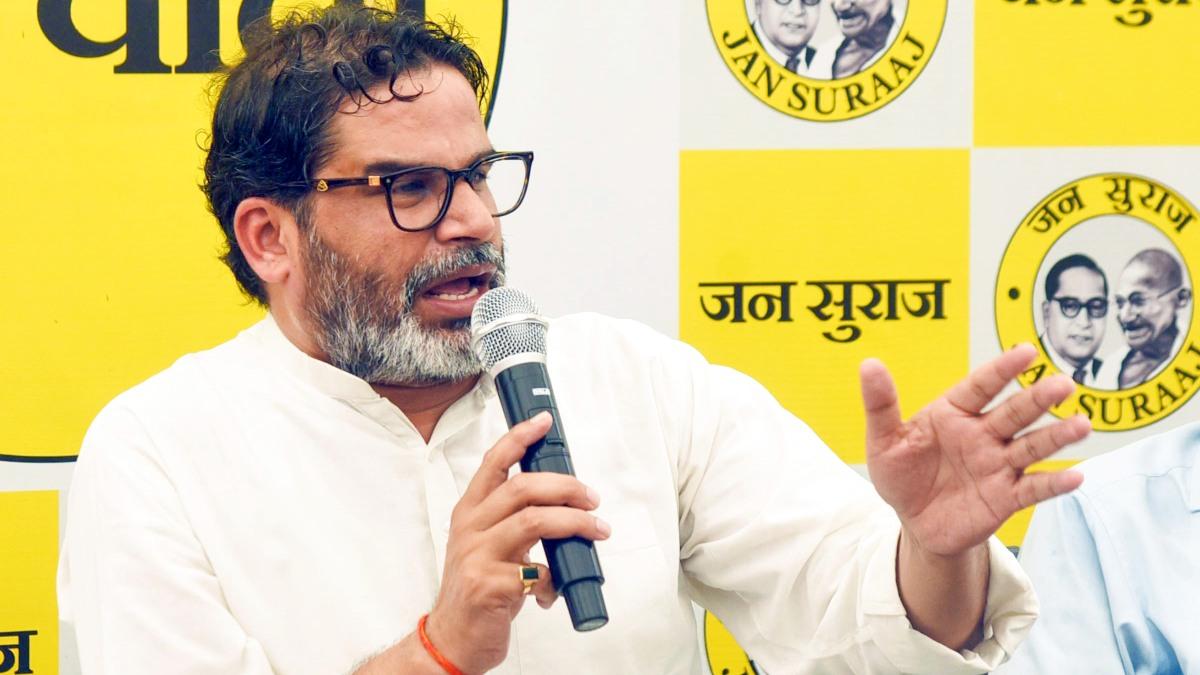
There is intense speculation about the ability of poll strategist Prasant Kishor's Jan Suraaj Party.
Earlier, the Mahagathbandan had hoped that Prashant Kishor being a Brahmin, the JSP would cut into the BJP's community vote-bank.
Party second-line leaders and PK's Delhi-based journalist friends had hoped that either he would win a substantial number of seats to be able to be the 'king-maker' in a hung assembly or cut substantially into the vote-bank of the rival alliances and decide individual results at the constituency-results without the party possibly winning no seat.
According to some experts, by deciding not to contest the election, PK may have blotted his copy-book with retrospective effect, in matters of psephology and poll-strategising for third parties like the BJP (2014), DMK (Tamil Nadu) and Trinamool Congress (West Bengal).
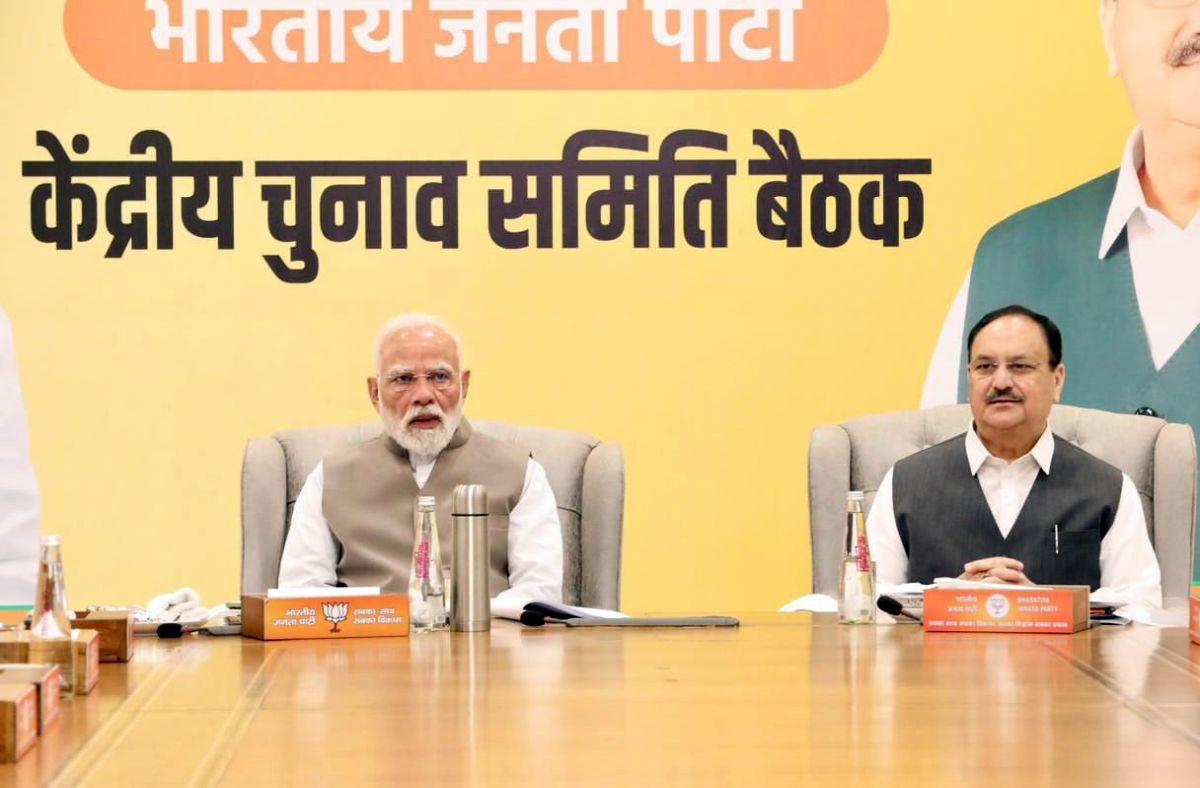
Ironically, the BJP is in an advantageous situation than the national-level Congress rival in future electoral negotiations elsewhere.
Especially in Tamil Nadu, where the DMK ally is dependent on the Congress to retain the minority votes and the image of a strong and secure alliance, Chief Minister M K Stalin should feel uncomfortable at the turn of events in Bihar.
Assembly polls are due in Tamil Nadu, Puducherry, Kerala, West Bengal and Assam next summer.
Congress leaders in Tamil Nadu are already talking about identifying 125 of the total 234 constituencies for seat-sharing talks.
Some state-level leaders are also talking about post-poll coalition government, if they won, and maybe a deputy CM job for the Congress.
These Congress leaders hope to rope in the likes of VCK, CPI, CPM and other minor allies, including the IUML, for a joint effort at seat-sharing.
The talks of the Congress short-listing 125 constituencies has to be seen in this context, too -- telling the DMK leader that with a substantial number of seats for them all, they would divide it among themselves, peacefully.
The DMK is unlikely to yield. Like the rival AIADMK, the party actually believes that Tamil Nadu votes only for a stable, single-party government, and indications of a post-poll coalition dispensation only works against such a combine.
In particular, they refer to the 1980 assembly elections where in desperation to get rid of the MGR-led AIADMK, DMK chief and Stalin's late father M Karunanidhi yielded 114 seats for the Congress, retaining only 112 for his party. Eight seats went to the IUML (6) and Independents (2).
With the cut-off mark of 117, the idea was that neither party would be able to desert the other in government-formation.
At the grassroots-level, the cadres of the two parties worked at cross-purposes. The DMK worked to reduce the dependence on the Congress, which in turn wanted to increase such dependence, post-poll.
In the post-poll analysis, the alliance lost, also owing to this internal squabble that run deeper and broader than the respective leaderships had bargained for.
This time round, the DMK in particular points to the weakened Congress position, of possessing less than five per cent vote-share.
They say that they needed the party more for the anti-BJP, pro-minority image that the two of them create together, that too in the company of the two communist parties, the VCK, MDMK, etc.
The DMK is keenly waiting for the Bihar poll results to assess the mood of the Congress party.
If the Mahagathbandan won, or even if the Congress won a respectable number of seats, the party could talk tough in Tamil Nadu.
Likewise, the rival AIADMK is uncomfortable negotiating seat-sharing with the BJP partner in the NDA, which could resort to arm-twisting on seat-sharing, especially if it won the Bihar polls, and the party gets the chief minister's job too.
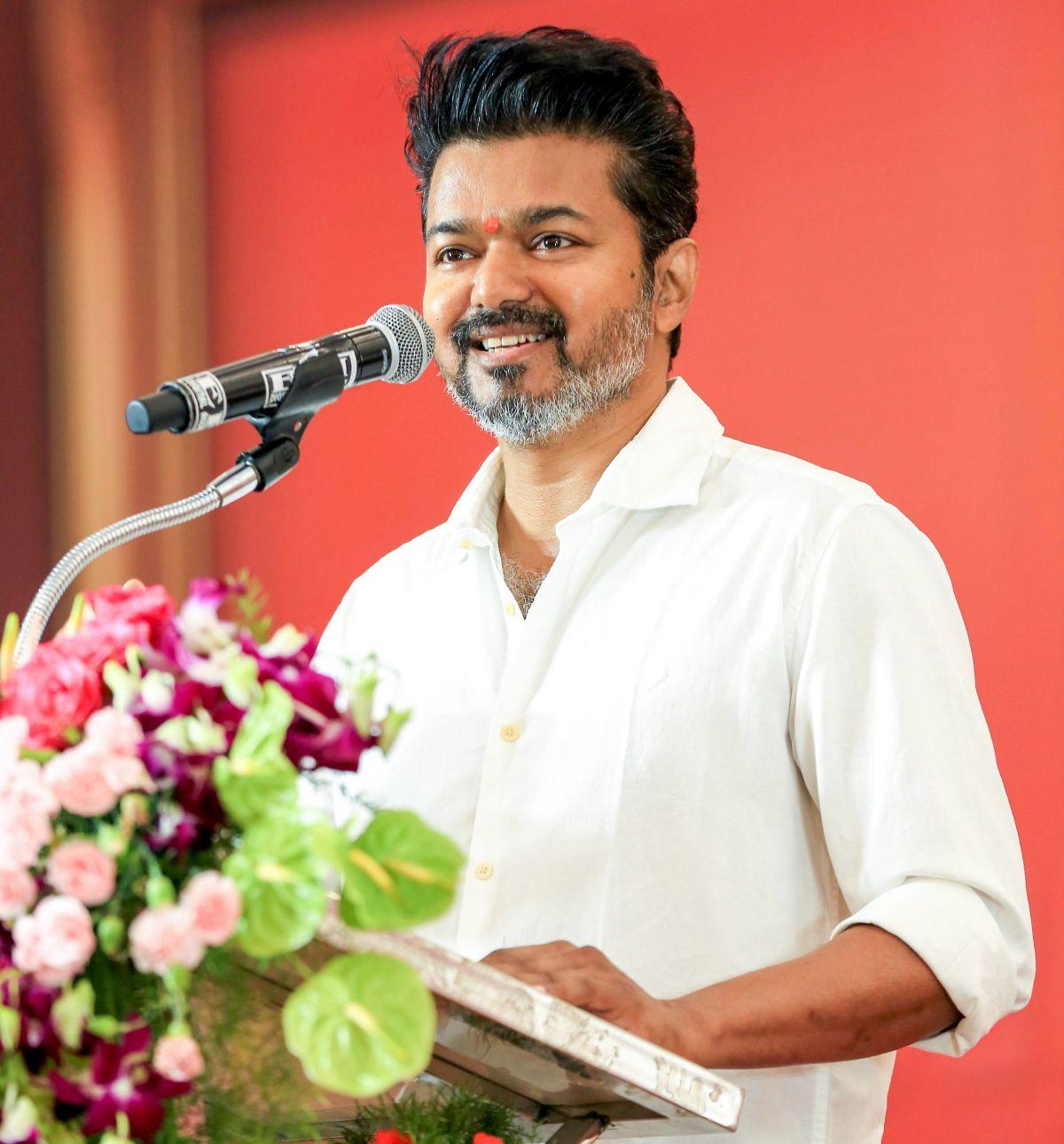
It may apply to the infant TVK of actor-politician Vijay, especially after the Karur stampede claiming 41 lives, and the Supreme Court transferring the investigations to the CBI, with a three-member team supervising the latter.
For starters, the TVK and Vijay would be in the national news more than already, with a lot of negativity to boot. Again, that too depends on the BJP's post-poll position in Bihar.
N Sathiya Moorthy, veteran journalist and author, is a Chennai-based policy analyst and political commentator.
Feature Presentation: Rajesh Alva/Rediff






 © 2026