

An IAF aircrash investigation typically concludes in two/three odd months. The reason for the crash is usually established in a week's time.
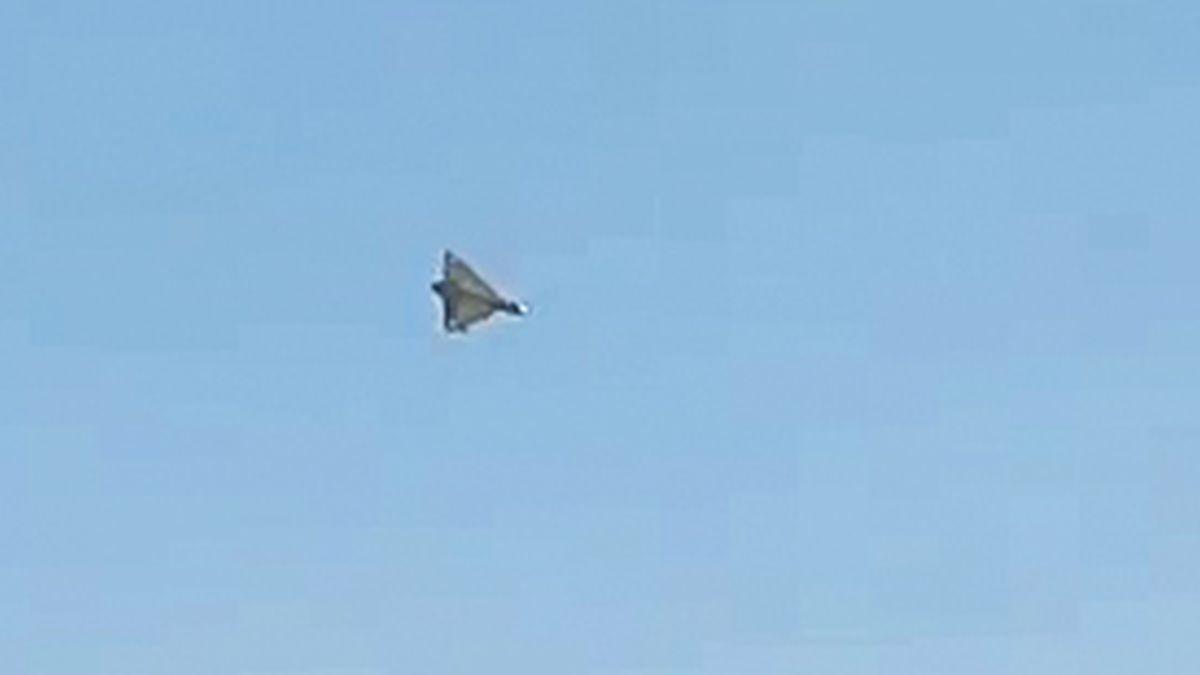
This aircraft accident will be investigated by a Court of Inquiry (CoI) set up by the IAF.
For a common man unfamiliar with military procedures, the expectations from a crash investigation are mentally aligned with the process of crash investigation of civil airliners (as in case of Air India-171 crash in Ahmedabad). That's not true.
A military air crash investigation by IAF's Court of Inquiry is far different from a commercial airliner crash investigation which is done as per standard and practices set by the ICAO, International Civil Aviation Organisation.
Here are few of the differences:
1. The Tejas military plane crash will be investigated by India. In contrast, if an Indian commercial airliner were to meet with an accident in Dubai, it would have been investigated by the authorities in the UAE.
2. An IAF aircrash investigation typically concludes in two/three odd months. The reason for thhe crash is usually established in a week's time. A civil airliner crash report can take over a year in most cases, sometimes over two years.
3. Military crash investigation final reports are confidential. Even the pilot's family doesn't receive a formal account of the details of the crash. A civil airliner crash report has to be made public mandatorily.
4. The military officers conducting a crash investigation are not air crash investigators. They are squadron pilots and engineers from that fleet, who are randomly picked up for a particular investigation.
In contrast, a civil airliner accident is mandatorily led by a qualified air crash investigator and other SME from the country's Civil Aviation Accident Investigation Board.
5. A military inquiry team can be asked to apportion blame on those responsible after finding out the cause of accident. Civil aviation accident board do not apportion blame, even if they know it for a fact.
There are many more minor differences in how a military and civil aviation accident investigation progresses. Although the routing and methodologies are different, both investigations team eventually achieve the same goal -- to ensure that a similar accident doesn't happen again!
Wing Commander K Dinesh is a former IAF officer and air crash investigator SME with the AAIB, Ministry of Civil Aviation, Government of India.





 © 2026