
In 1973, Mumtaz, Raakhee, Jaya Bhaduri, Dimple Kapadia, Tanuja, married and retired from films.
Producers wanted a new heroine as a replacement.
Many thought Sulakshana was a Mumtaz lookalike and was soon persuaded to sign on multiple films as a leading lady.
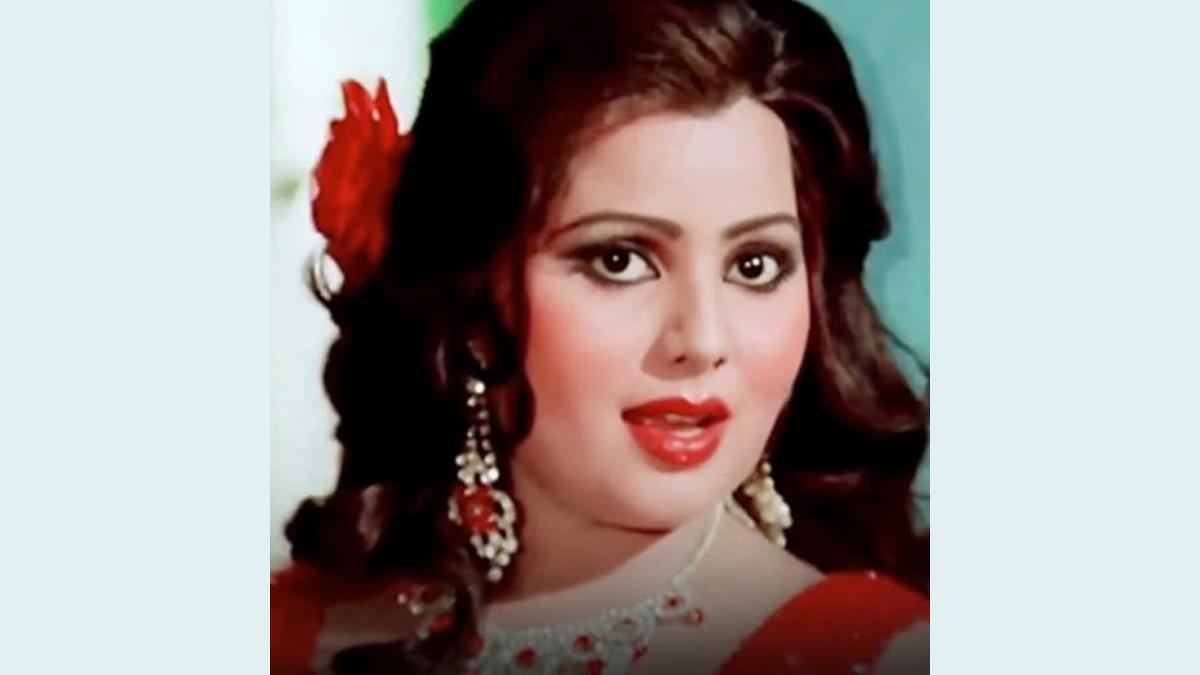
Sulakshana Pandit was the one and only actress-playback singer combination who attained a certain degree of fame and success in the Hindi cinema of the last 50 years.
As news of her demise filters in, the conversation all too often centres around her glamorous acting career opposite the likes of Rajesh Khanna to Vinod Khanna, her mental health issues and her ill-fated personal association with Sanjeev Kumar.
While that is understandable, what deserves to be remembered is her eloquent singing in a small select list of melodious numbers which will always find a place in the hearts of Hindi film music lovers.
In a life laced with as many tragedies as triumphs, this talented Filmfare Award-winning vocalist wanted more of the mike, but, as an industry inside puts it, they gave her the mirror and the makeup box instead.
Blessed with a beautiful voice, Sulakshana had music flowing through her bloodstream.
She was born into a musical family; her father Pratap Narain Pandit was a classical vocalist and her paternal uncle is the renowned Pandit Jasraj. Once her family shifted from Raigarh and Kolkata to Mumbai, the classically trained Sulakshana naturally gravitated towards a career in music.
When still a child, Sulakshana sang her first film song, Pappa Jaldi Aa Jaana, which has now garnered over one crore (10 million) views on YouTube. It was for the Rajshri film Taqdeer (1967). While Lata Mangeshkar sang for the leading lady, she lent her voice to the child artiste.
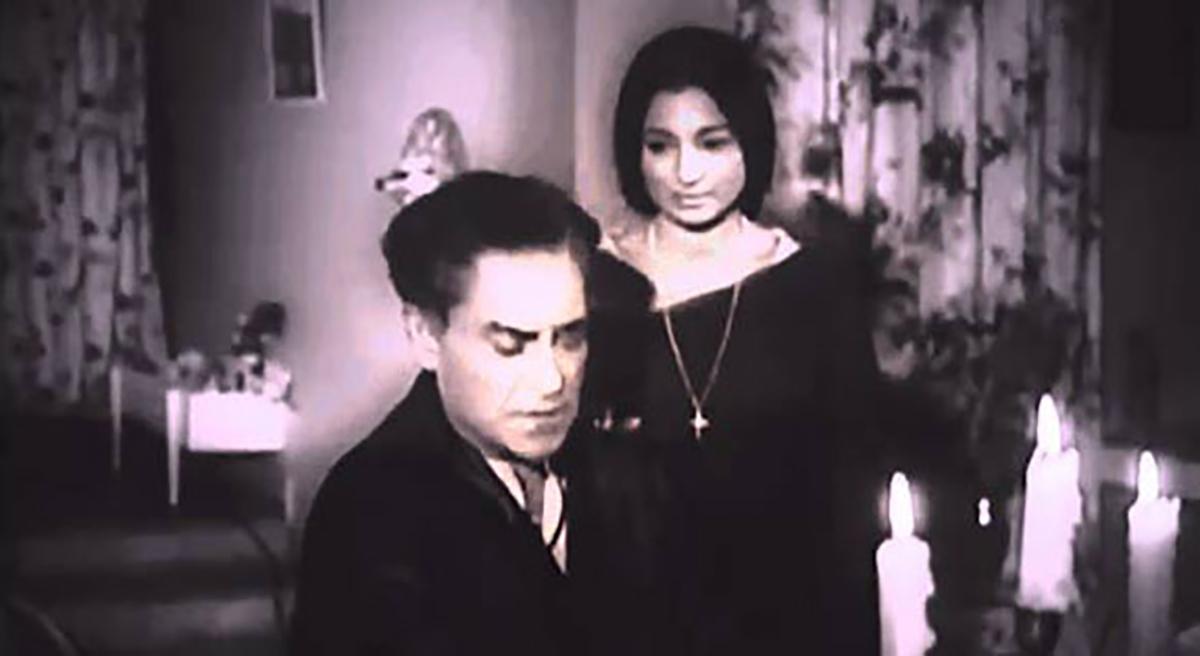
The youngster then started doing musical shows, and became part of Kishore Kumar's stage ensemble. Sulakshana credited Kishore Kumar for teaching her the finer nuances of singing as they performed shows all over the country.
Sulakshana's first big break as a playback singer was when an impressed Kishore Kumar offered her the chance to sing a duet with him in his production, Door Ka Rahi (1971).
The film's music was composed by Kishore Kumar himself and he crafted a sparkling showcase for Sulakshana's voice in Beqarar Dil Tu Gaaye Jaa filmed on Tanuja.
Despite Sulakshana's crystalline voice and adept singing, her singing career didn't take off.
Beqarar Dil proved popular but the black-and-white film released in the colour era made minimal impact.
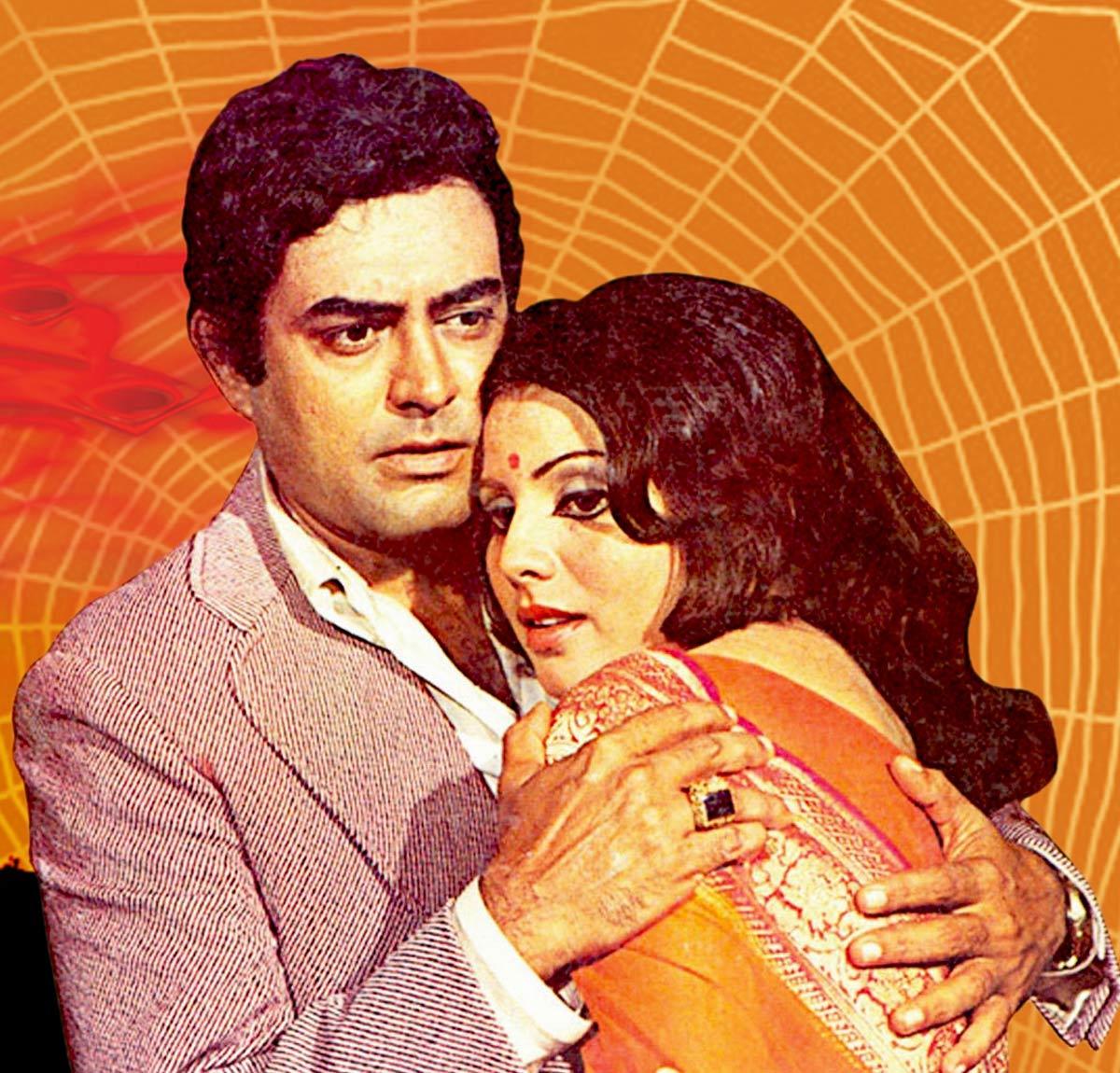
Instead, a few years later, circa 1974, Sulakshana's life pivoted in an entirely different direction. Filmmakers were enamoured of the playback singer's beautiful looks and slender figure, and made a beeline for her with acting offers.
She happened to be in the right place at the right time.
In 1973, several major leading ladies like Mumtaz, Raakhee, Jaya Bhaduri, Dimple Kapadia, Tanuja, had married and retired from films.
Producers wanted a new heroine as a replacement.
Many thought Sulakshana was a Mumtaz lookalike and was soon persuaded to sign on multiple films as a leading lady.
Sulakshana made her acting debut with four films released in 1975. She played the romantic lead opposite Shashi Kapoor (Salaakhen) and Rishi Kapoor (Raaja) but scored her first significant success opposite Sanjeev Kumar with Uljhan.
Uljhan afforded Sulakshana an author-backed role.
Sanjeev Kumar played a policeman investigating a murder who is shocked when the clues point to his beloved wife (Sulakshana). She is, of course, incriminating herself to save the family honour. Sulakshana acquitted herself creditably in this difficult role.
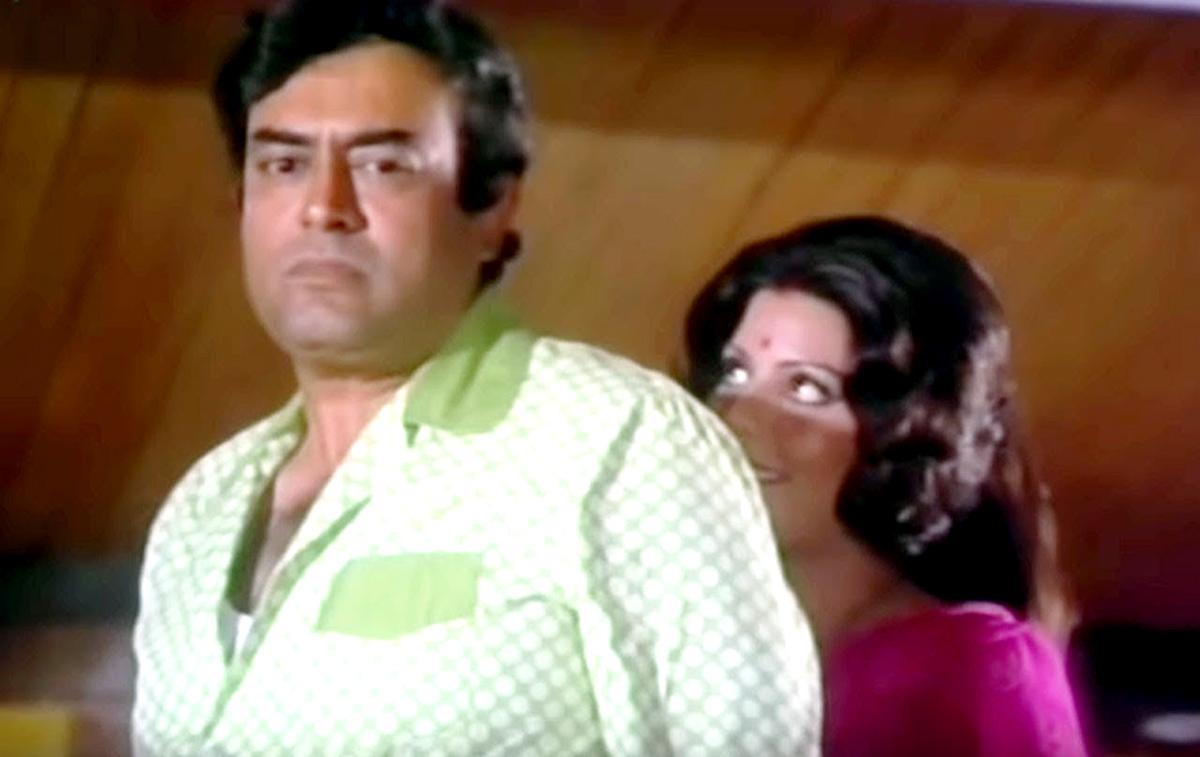
In the same year, she played a small role in Sankalp (1975) as a pujarin singing the philosophical number Tu Hi Sagar Tu Hi Kinara with a depth of understanding. She deservedly won the Filmfare Award for Best Playback Singing.
With both her acting and singing careers on an upswing, Sulakshana was on a high.
In the 1930s and 1940s, there were several singer-actresses from Kanan Devi and Khurshid to Noorjehan and Suraiya. But once the Mangeshkar sisters held sway from the 1950s, singing was no longer a required part of an actress' skill set.
Sulakshana sought to challenge that status quo, but couldn't quite succeed.
The actress asked to be allowed to sing the songs filmed on her, but unfortunately, her voice was employed sparingly by music directors fascinated by Lata and Asha.
Even in Uljhan, she sang only the playful duet Aaj Pyare Pyare Se Lagte Hain with Kishore Kumar, but the female version of the popular title song Apne Jeevan Ki Uljhan Ko was sung by Lata Mangeshkar.
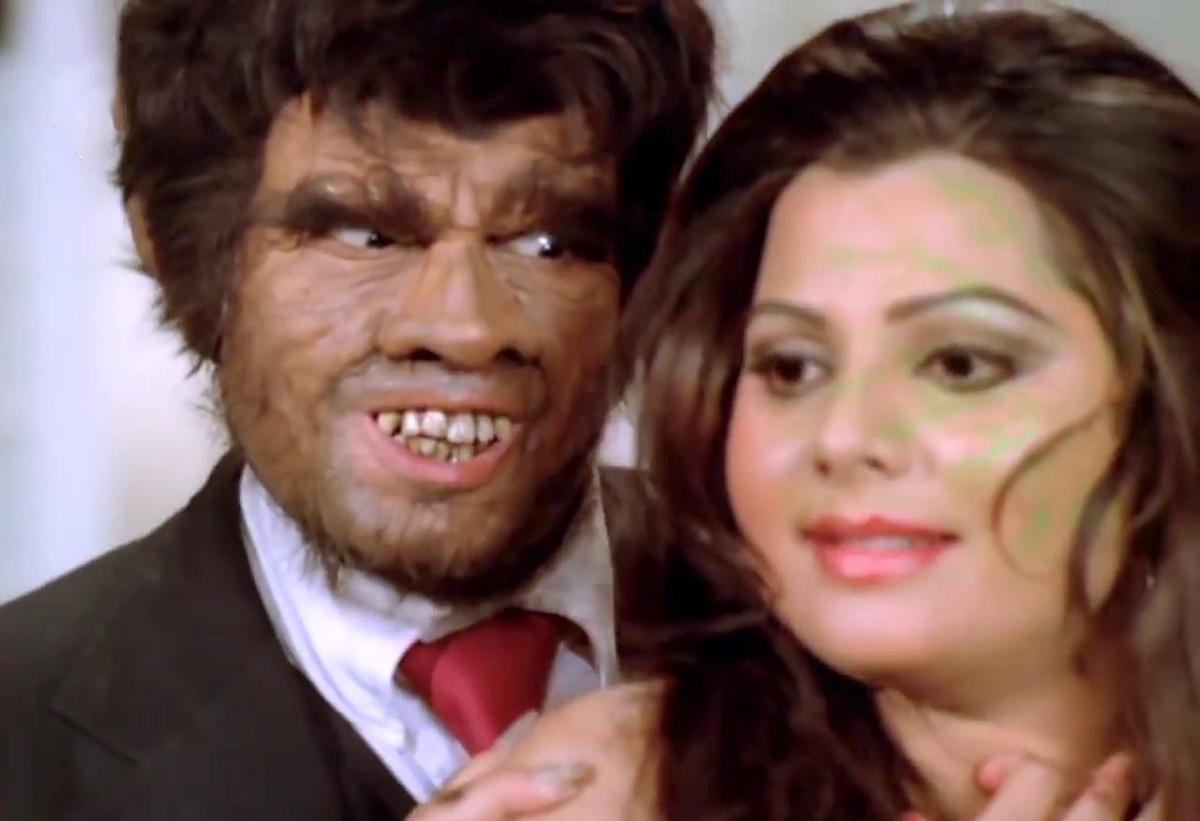
As an actress, Sulakshana was romantically cast opposite several A-listers of the 1970s. Notably, most of her heroes were already married (Jeetendra, Rajesh Khanna, Vinod Khanna, Shashi Kapoor) or in a relationship (Shatrughan Sinha, Rishi Kapoor).
Sanjeev Kumar was the only bachelor among her heroes.
As is often the case with heroines leading busy but cloistered lives, Sulakshana developed a romantic attachment with him as they continued starring together in films like Waqt Ki Deewar and Chehre Pe Chehra. This unfortunately did not bode well for her future personal life.
At one time, Sulakshana had 28 films in hand.
She had another meaty role in Sankoch (1976) which is inspired from Saratchandra's Parineeta and which featured her alongside Jeetendra and Vikram.
Thereafter, Sulakshana was largely called to act as the glamorous doll in most of her films.
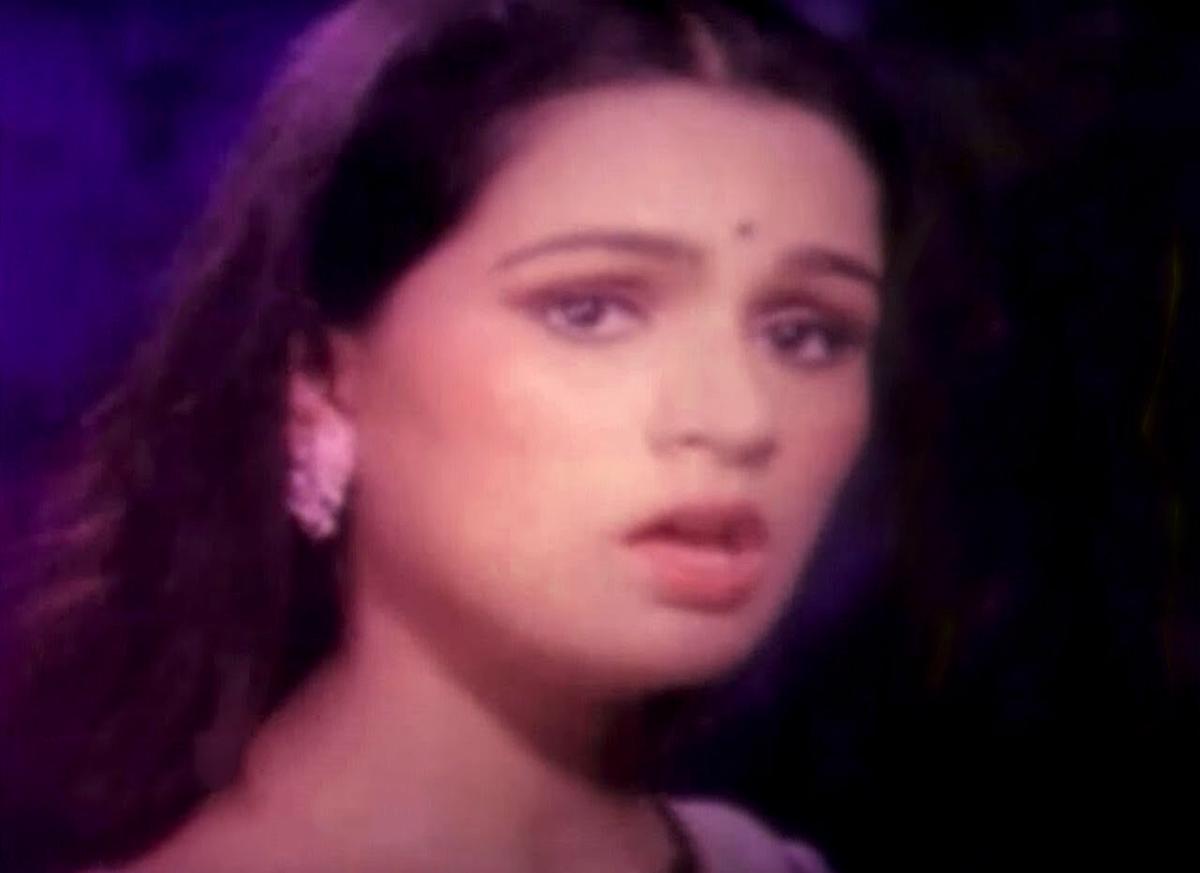
Her singing encompassed greater versatility.
Listen to her nuanced emoting in the beautiful ghazal Mana Teri Nazar Mein which was recorded for the Jeetendra-Sulakshana starrer Khandaan (1979) but somehow ended up in Padmini Kolhapure's debut film as an adult, Ahista Ahista (1981).
Songs filmed on Sulakshana continued to be sung by others.
Only occasionally did Sulakshana get a chance to sing for herself in popular songs like Apnapan's Somwar Ko Hum Mile.
In Phaansi's radio-friendly Jab Aati Hogi Yaad Meri, she sang with Mohammad Rafi, another great with whom she had done numerous shows in the early years.
Remarkably, even after becoming an established leading lady, Sulakshana had no ego problems about being a playback singer for other actresses.
In Chalte Chalte (1976), she sang Jaana Kahan Hai and Sapnon Ka Raja for Simi Garewal and Nazneen.
In Grihapravesh (1979), she warbled Gulzar's melodious gem Boliye Surili Boliyan for an unfamiliar face while Sharmila Tagore played the onlooker.
Sulakshana delivered bright and bubbly playback singing for Rekha in the hit song Jiske Liye Sab Ko Chhoda from Saajan Ki Saheli (1981).
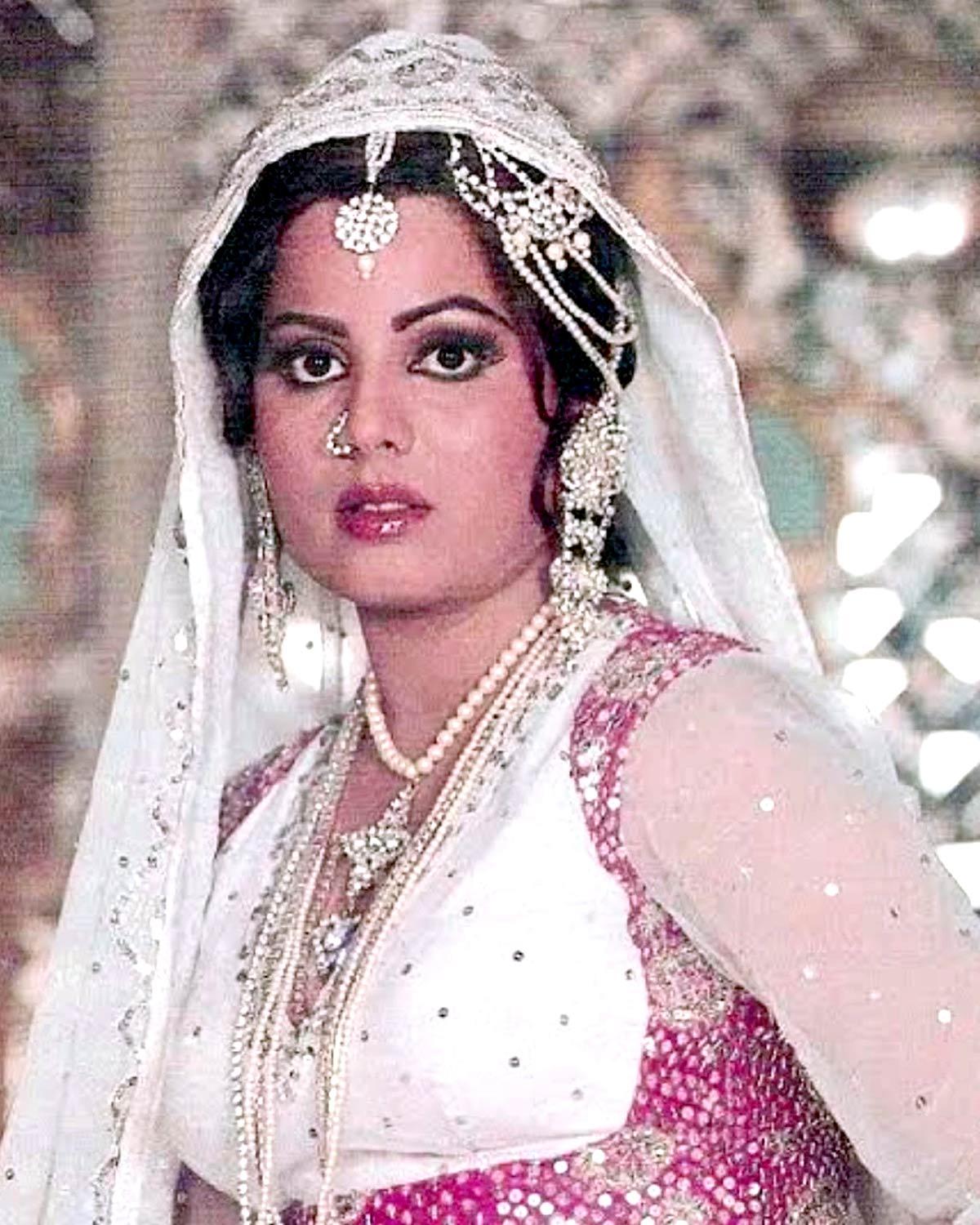
Strangely, despite the appreciation Sulakshana received for these renditions, both her singing and acting careers ran out of steam in the 1980s.
She continued to hold Sanjeev Kumar as her romantic ideal though she could have had suitors galore. The actress is reported to have proposed to him but he allegedly declined because he had still not gotten over his love for Hema Malini.
Sanjeev Kumar's early demise in 1985 pushed Sulakshana into depression.
Initially, she made brave attempts to recover and return to the recording studios with the music album Rhythmic Love.
Her brothers Jatin-Lalit were now successful music directors, however, they too assigned her an alaap in Sagar Kinare Do Dil from Khamoshi: The Musical (1996).
Physically weak after a back surgery, Sulakshana's depression deepened.
Fortunately, her family stood steadfast by the side of their frail elder sister who had once supported them all.
Her younger sister, actress Vijeta Pandit brought Sulakshana to her home with music director Aadesh Shrivastava. This is where Sulakshana spent her last days, cocooned from the glamour world she once inhabited.
But let's concentrate on the positive. In a world where so many creative people never find their niche, Sulakshana not only won fame but her songs continue to enthrall music connoisseurs till date.
Photographs curated by Satish Bodas/Rediff










 © 2025