
As someone who could not predict a single beat in advance, who was exhilarated by its audacity to throw random elements together and take chances all over the place, Sreehari Nair thinks Odum Kuthira Chaadum Kuthira is one of the best films of the year.
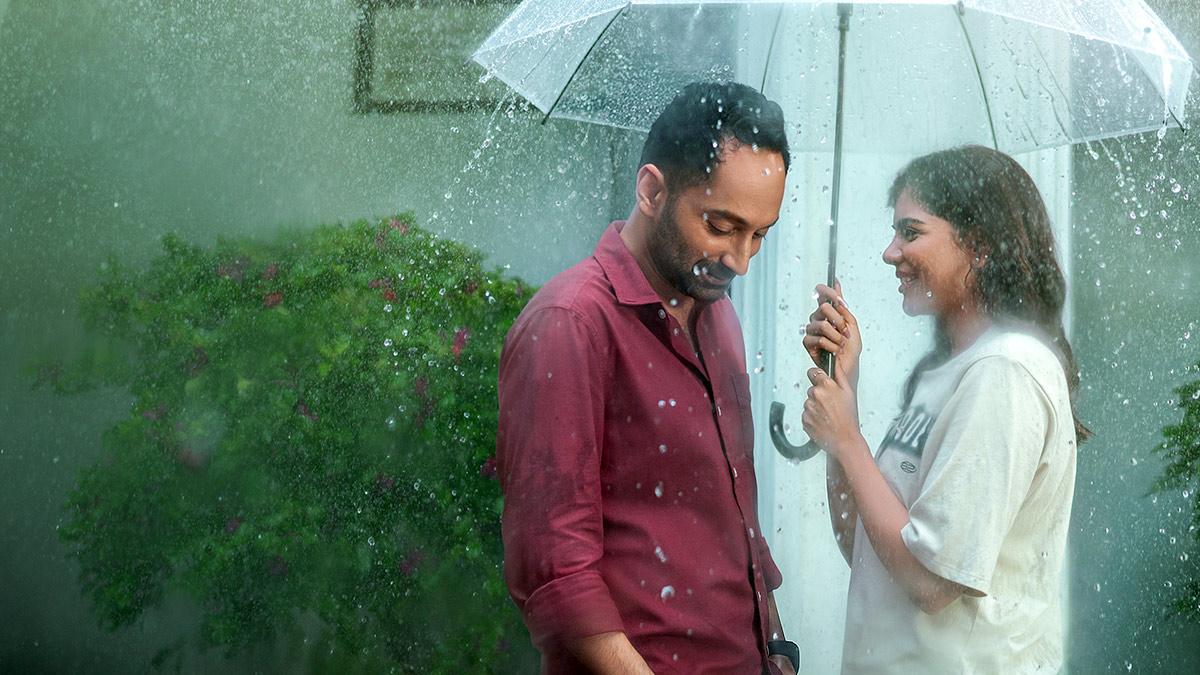
1. The reviews of Odum Kuthira Chaadum Kuthira have described it as an 'ambitious misfire' -- a term reserved for such events as the Hindenburg disaster, Bolshevism, and the Lavasa Hill City Project.
The silent consensus seems to be that Althaf Salim, the young writer-director, did not know what he was doing, that he got carried away, that he shot a whole lot of footage without a proper blueprint and then had great difficulty making it go together.
The result? A scrappy movie assembled almost entirely in the editing room.
I hate to provoke the easily staggered, but there's nothing accidental about OKCK: Althaf has made exactly what he had set out to make.
The joys, the extravagances, the clumsy mixture of tones and the pitch-perfect landings all blend happily, suggesting in effect that they were part of the movie's original conception.
If this is a failure, it is closer in spirit to a well-planned train wreck.
As someone who could not predict a single beat in advance, who was exhilarated by its audacity to throw random elements together and take chances all over the place (it even takes a chance with Dhyan Sreenivasan and pulls it off!), I think this is one of the best films of the year.
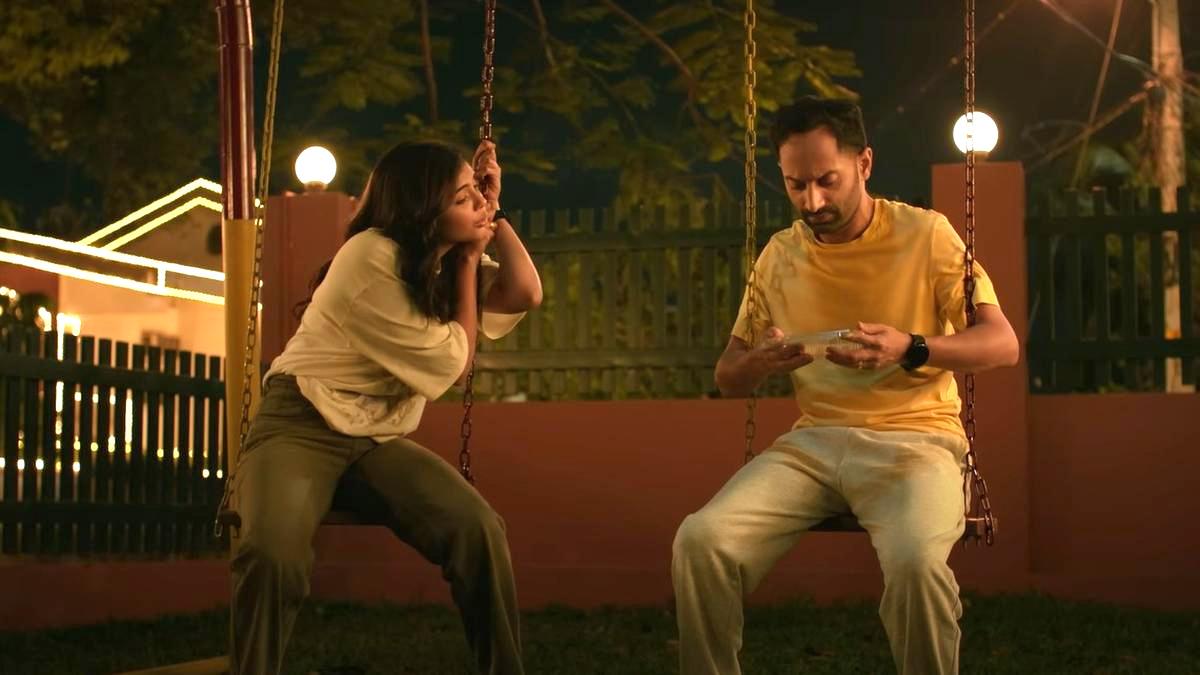
2. Since Althaf's 'comedy about depression' was not half as celebrated as his earlier 'comedy about cancer' (Njandukalude Nattil Oridavela, that charming soufflé), I feel all the more protective of his anomalous talent.
True, he does not possess the novelistic depth of Pothan or the improvisatory charge of LJP or Anand Ekarshi's interest in the human face.
But what he has in spades is an effrontery commonly observed among quick-thinking, back-answering kids in noble small-town Kerala.
The key to Althaf Salim's directorial personality (traceable in his performances, for he's also an occasional actor) is a mildly combative energy that keeps things zippy. He has the meddling glint of a mischief-maker who cannot resist the impulse to laugh at funerals or when the national anthem is being sung in full throat.
And yet, this quality alone would not have been enough to produce engaging works on the screen.
In Althaf's movies, what you respond to is the running battle between his fear of being called 'insensitive' and his natural wit, which keeps breaking through every guardrail of good taste.

3. The conflict in his sensibility is his satori, the disruptive inspiration that enables him to look for humour inside prickly subject matters.
It gives him the courage to let his jokes go around in circles, even as the obsessions and peculiar concerns of his characters bounce off each other.
In Odum Kuthira Chaadum Kuthira, a marriage proposal runs into a logjam when Lal and Suresh Krishna get into a discussion about oily snacks, heart problems, and the bureaucracy of 'who would speak first'.
The jibber-jabber in that scene is almost pre-lingual and had me roaring with laughter.
Yet, it also ties into what makes depression so irksome -- the fact that you just cannot talk about the damn thing in a clear, logical manner.
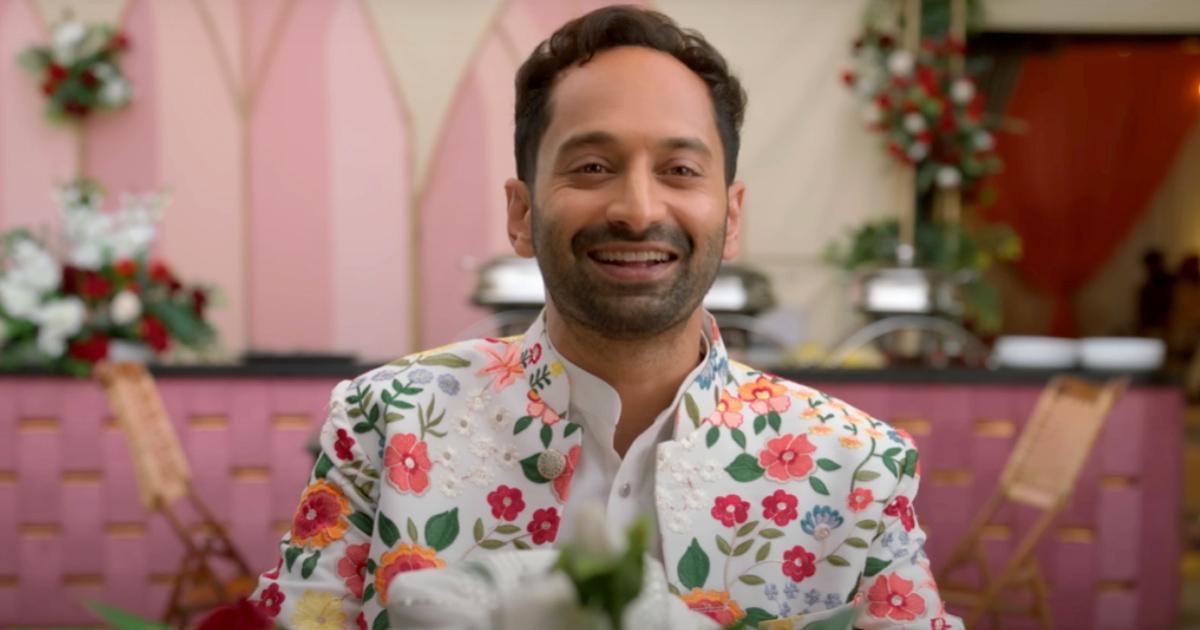
4. Even as a jokemeister, he's in a tradition of his own.
In Althaf's movies, verbal comedy takes on the qualities of slapstick, and the slapstick is often incredibly tranquil.
In Njandukal, the interactions between the grandfather and his nurse (played by Sharafudeen) are examples of slapstick rescued from its oppressive conventions, and you can say the same thing about that passing moment in Kuthira which shows Lal weeping as he does the Zumba.
In these scenes and many others, the inexplicably funny takes over, and we laugh with the relief of someone who has been repressing a good cackle.
I swear I have spilled juices, snorted hysterically, and caused mid-morning commotions while re-watching that scene in Njandukal which has Nivin Pauly denying his grandfather the last slice of orange.
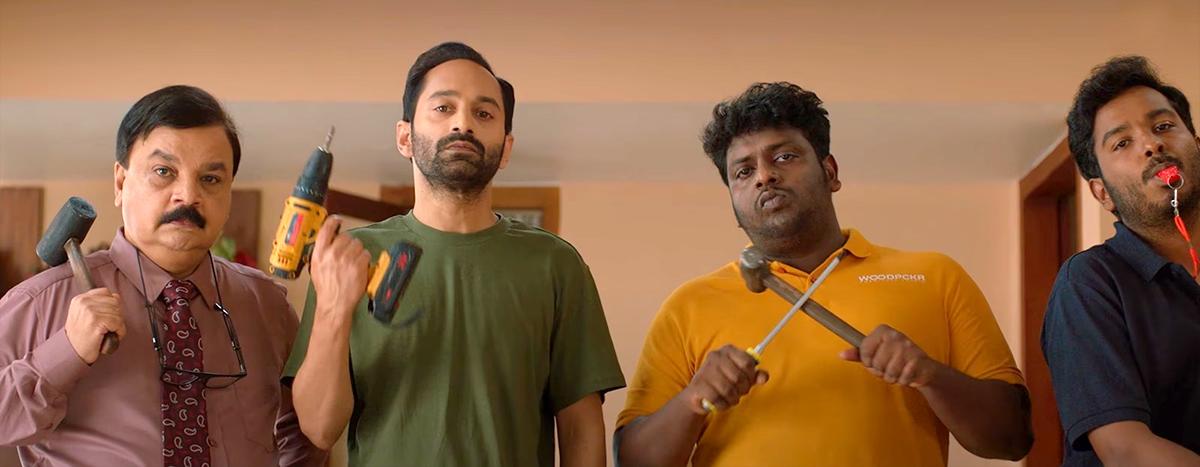
5. Though there's an 'anything-goes', 'catch-as-catch-can' feel to Althaf Salim's movies, they are actually very carefully plotted.
Look closely and you'll discover a classical strain running through their craft, a compulsive fabulist's joy in storytelling.
Althaf may be a tourist in such aspects as 'character studies' and 'dramatising a situation effectively', but he's a citizen of that hoary belief that a story is something that unfolds continually.
The story of Odum Kuthira Chaadum Kuthira unfolds in all kinds of interesting ways, unfolds against a series of precisely designed frames and compositions, and it unfolds through a battery of original voices constantly knocking up against one another.

6. The voices matter to Althaf.
Mousy, spiky, whiny -- he'll take anything!
But most of all, he needs actors with deep, resonant voices, and he uses them like contrapuntal devices.
Since Malayalam cinema saw a resurgence in the last decade, the concept of comedians who do their little numbers on the side has all but vanished.
Today, that honourable job has been outsourced to characters who lack self-awareness. (In Joji, Shammi Thilakan gives one of the funniest evocations of a man who, in his wish to do right by everyone, bungles things badly).
In Althaf's movies, the narrative at times feels like an excuse to show us the hilarious preoccupations of 'stiffs'.
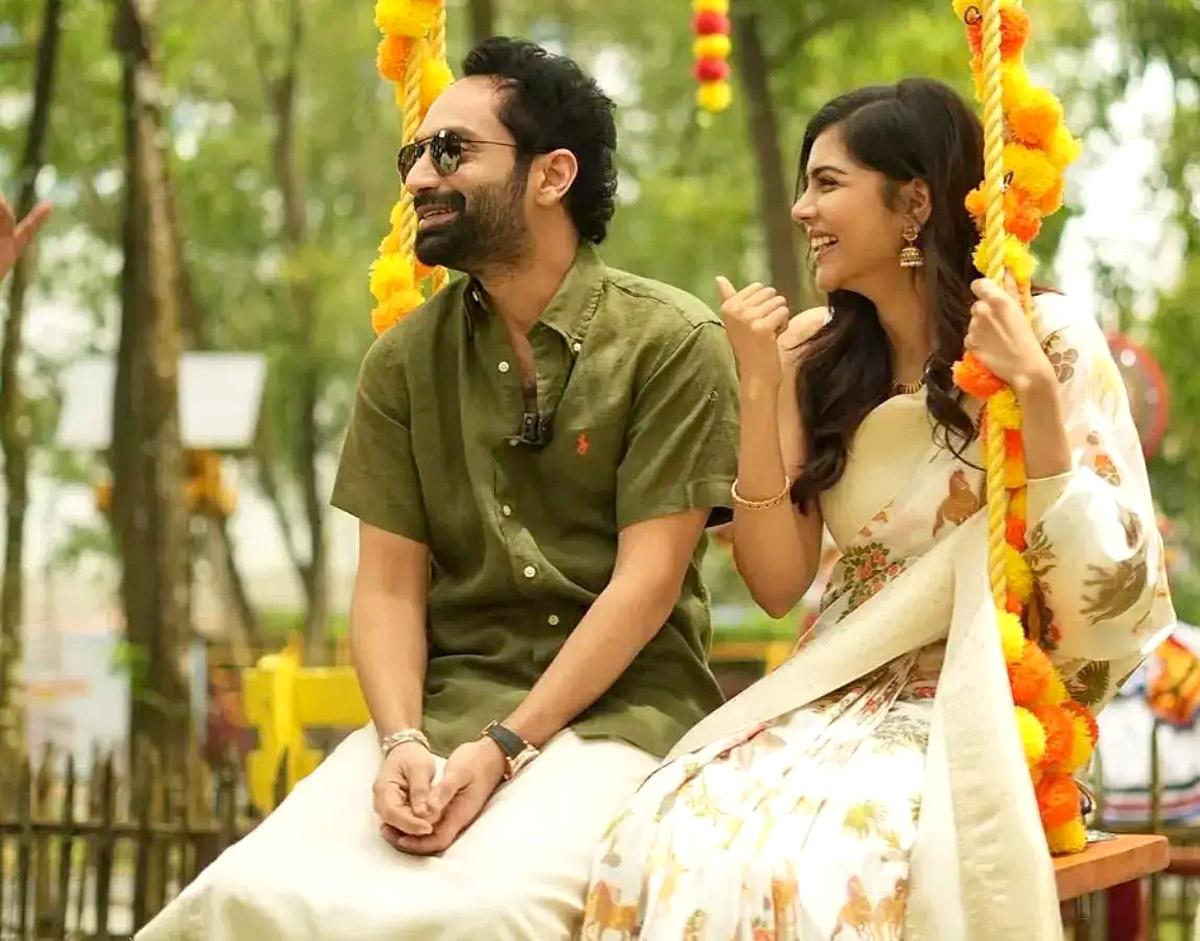
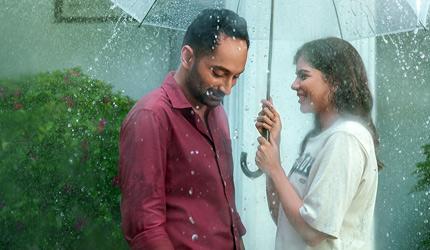
As in Njandukalude Nattil Oridavela, here too, he uses the central story of his leads (Fahadh Faasil and Kalyani Priyadarshan) as the staging area for such high baritone, buttoned-up performers as Lal, Suresh Krishna, Sudheer Karamana and Vinay Forrt to lay waste to their 'serious actor' image.
Few things in cinema are funnier than a war-room scene featuring a bunch of generals who just wouldn't drop their guard.
Althaf Salim understands the enduring appeal of this routine, and he creates variations on it. He's Terry Southern by way of South Paravur.
7. Like many an authentic comic genius, Althaf cannot tell when a joke is not earned; for him, the pleasure in telling it is enough.
However, in an Althaf Salim picture, the low stretches do not bother you. You are happy in the manic highs.
I hope he never becomes so mature as to be embarrassed about his erratic bits.
I hope he never gets tired of letting his jokes run shapelessly loose and never tries to trim them or tidy them up.
After all, who remembers the empty spaces in Evelyn Waugh’s Scoop?
Who cares about the vast chunks of Mookilla Rajyathu (Malayalam cinema's very own slacker classic) that don't work?
In great comedies, it's only those moments of anarchic inventions and wild timing that matter. There's more glory in the incongruities of a movie like Odum Kuthira Chaadum Kuthira than there is in a thousand smooth payoffs.
8. For all his commitment to leaving you unhinged, Althaf works really hard on refining his visual style.
This is what makes him so different from the other comedy directors active in Malayalam right now.
Vipin Das, for instance, can generate laughs, but he cannot create ecstasies. He has a skit sense but hardly any film sense.
The look of Althaf's movies contributes in large measure to lending an otherworldly air to his settings.
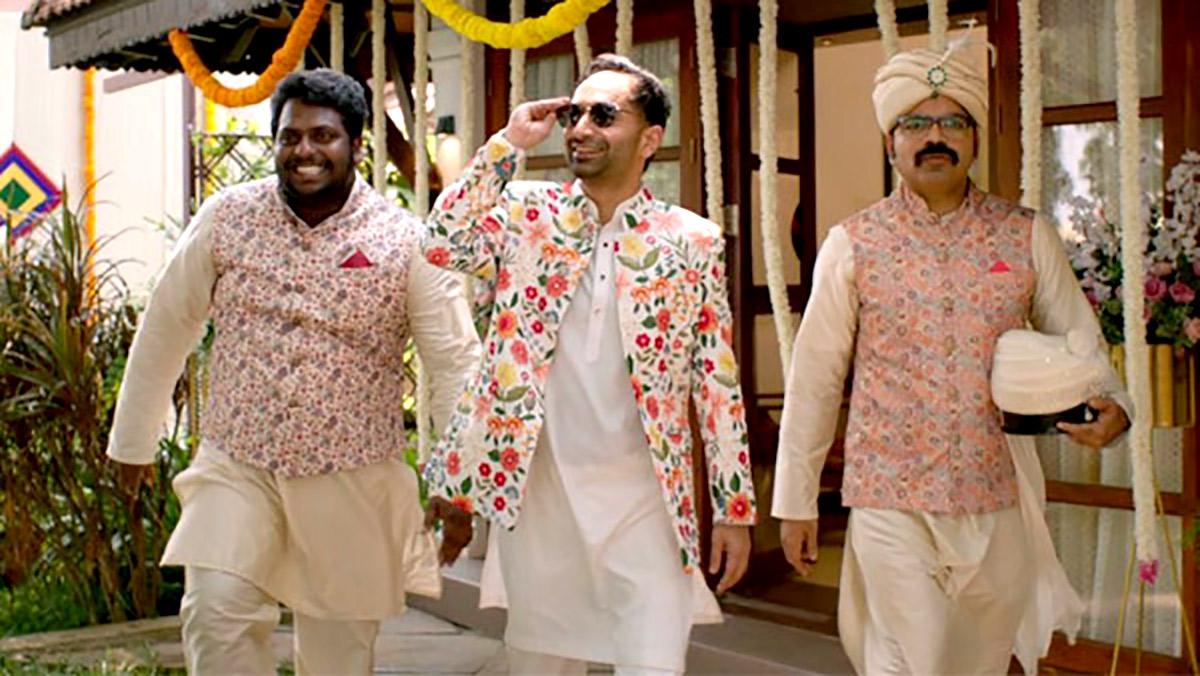
The vibrant colours of OKCK give the lie to its characters' suicidal thoughts and their inability to communicate. The interiors are like the insides of spaceships as dreamt up by Matisse, with quick nods to pop art and abstract expressionism.
That combination of thoughtful décor and scrambled minds is eerie in its ability to draw the viewer in.
But then you need to be a little nutty yourself to appreciate it.
YouTube critics who do their reviews dressed up in goofy costumes are worse than the solemn academic ones when it comes to giving themselves over to a movie.
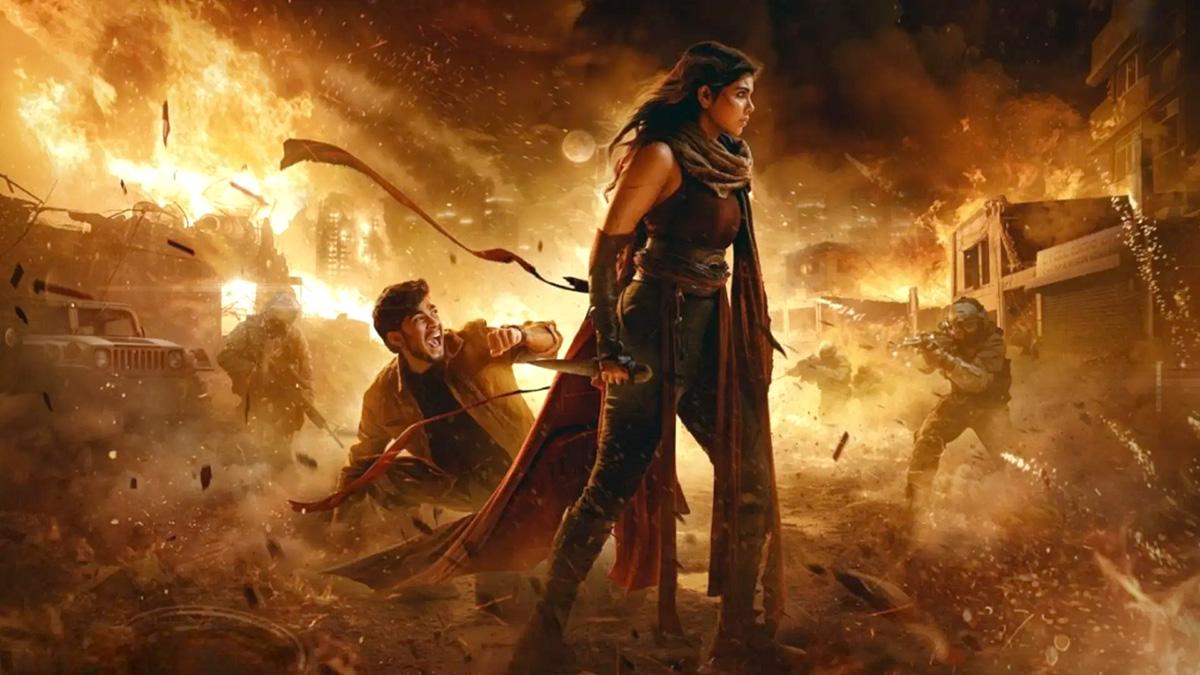
9. On reflection, the look of Odum Kuthira Chaadum Kuthira seems to be at such variance with the 'processed look' of something like Lokah -- which has the look of AI, the look of tropes religiously adhered to, the look of middle-class reliability.
Watching them back to back, I kind of understood what was missing in Lokah, namely, an evolving consciousness.
Halfway into Lokah, the vampirism and the blood-drinking jokes hit a stonewall, whereas Althaf, every time he finds himself out of his depths, adds a mysterious digression or a shameless pun and pulls you back into his crazy world.
Also, isn't it a sign of the general narcosis of our age that OKCK was never given a chance while Khalid Rahman's Alappuzha Gymkhana was praised as though it had brought on some revolution in the sports movie genre?
Rahman's boxing picture is sloppily made. The terrible reaction shots and the total disregard for continuity displayed there are indicative of a slapdashery and a callousness that you can never associate with Althaf Salim.
In truth, Alappuzha Gymkhana is the blundering bore that they accused Odum Kuthira Chaadum Kuthira of being.
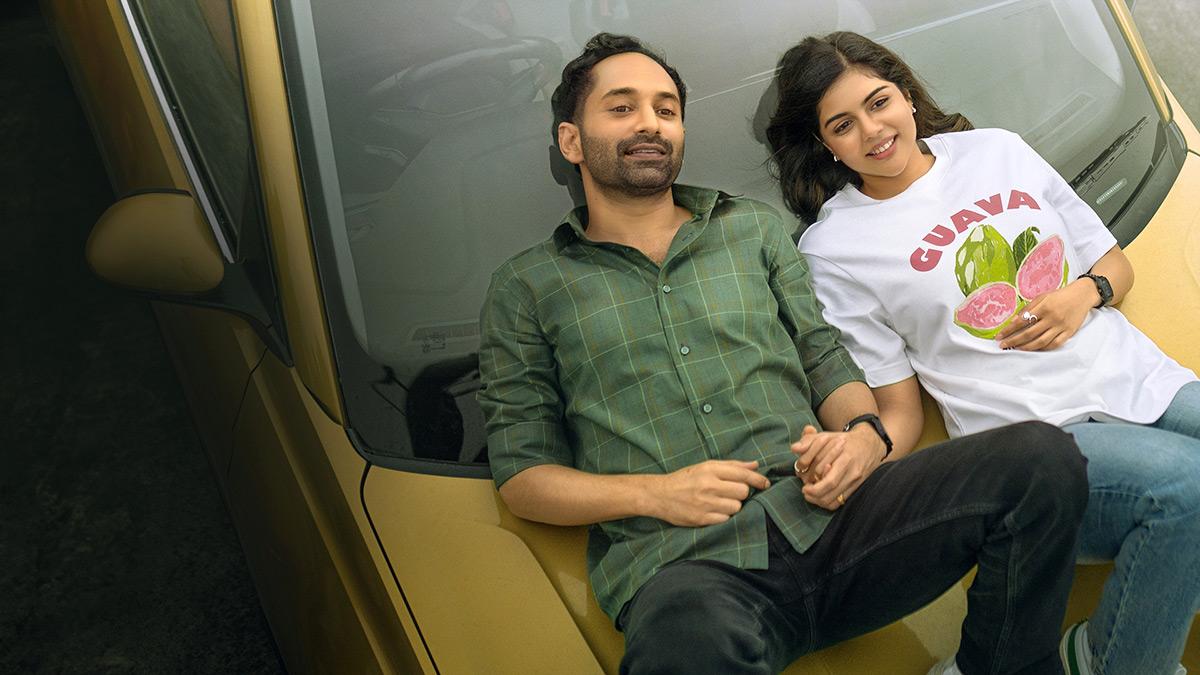
10. The most heartening aspect of Althaf Salim's second movie is observing his development as a filmmaker. He has acquired a virtuoso's control over the medium while retaining his wayward child's delight in poking the world order just a bit.
It is our collective responsibility to ensure that the 'technician' side of him never inhibits that side of him that will do anything to squeeze out a laugh.
Overvaluing 'normality' can thwart his progress.
He is the most exciting adolescent making movies right now.
We should forbid him from growing up.
Odum Kuthira Chaadum Kuthira is streaming on Netflix.
Photographs curated by Satish Bodas/Rediff









 © 2025