

'I'm totally focussed on finding the right energies around me. A lot of the treatment is psychosomatic; as my mother keeps reiterating, if you think positive, positive things will happen to you.'
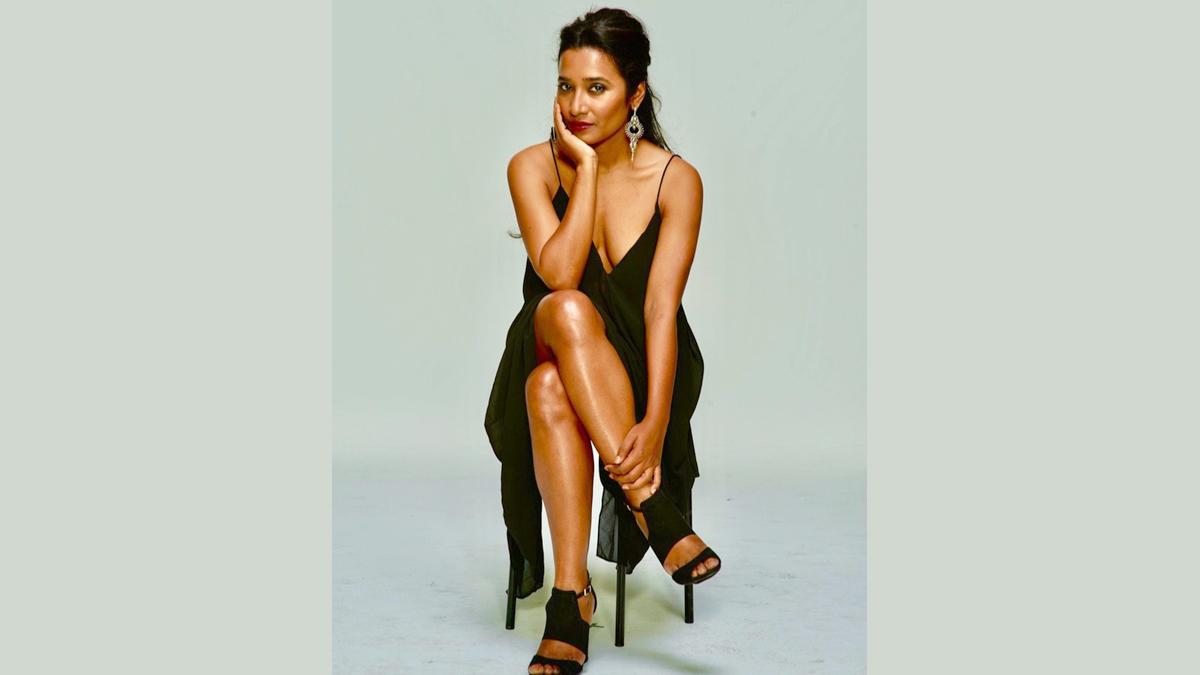
In the first part of Interview Tannishtha Chatterjee, tells us how 'Cancer Has Made Me Shameless And Fearless'.
In the second part of a heart-to-heart with Rediff's Senior Contributor Roshmila Bhattacharya, Tannishtha speaks about how difficult it was to break the news of her cancer diagnosis to her 70-year-old mother and her nine-year-old daughter.
"For days I kept my reports in the car so my mother wouldn't stumble on them," she confides, adding that she sent her daughter Radhika to New York with her sister for four months. "She went swimming and learnt how to play the piano instead of being home in Mumbai and feeling insecure looking at me at a time when I was at my most vulnerable."
You were working on Ek Ruka Hua Faisla, revolving around the rape and murder of the daughter of a prominent businessman. Also, Pastt Tense in which you play a rape survivor who, after years, reconnects with her son whom she was forced to give up and who now wants to seek justice for the wrong done to her. Interesting subjects, what's the status quo on them?
Ek Ruka Hua Faisla is complete and Pastt Tense is in post-production.
Interestingly, while working on Pastt Tense, I got chatting with my co-star, Sharib Hashmi, and discovered that he is a caregiver to his wife, Nasreen, who was diagnosed with cancer in 2018.
Around that time, I too had been diagnosed with stage 4 oligometastatic cancer and after discovering that we had gone through the same journey, Sharib through Nasreen, we decided to collaborate on a two-actor play.
It's about cancer, a musical comedy which we have written together.
Leena Yadav, the director of Parched, will be helming it.
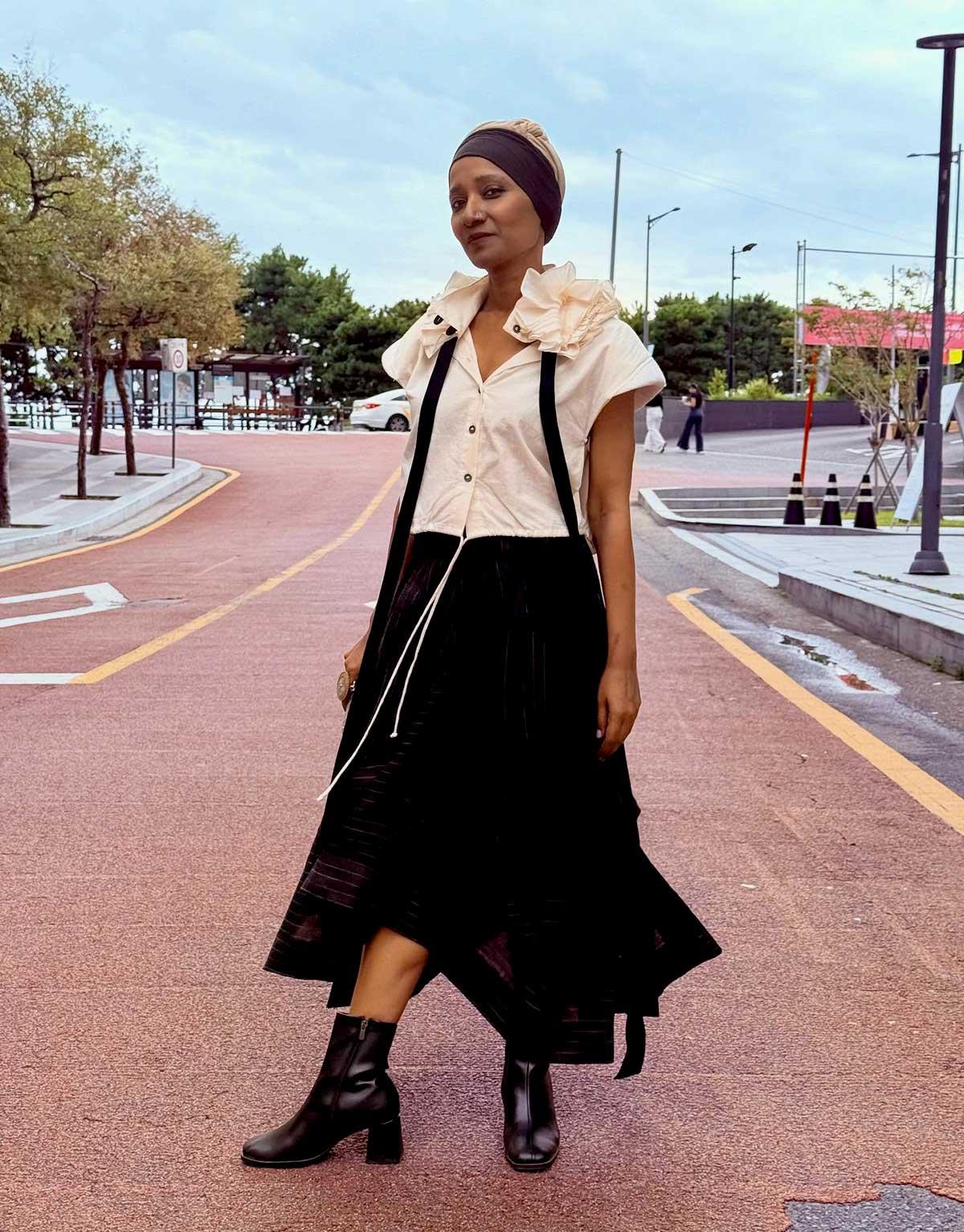
It's great to see you so active and enthusiastic about your work despite your health concerns.
(Sighing) Oh, I have lost some projects since being diagnosed.
I was supposed to shoot with Bharat Bala, but I had to opt out because of the sudden health crisis.
There was another film that I was to start in December which I finally turned down last week.
Another film had also come my way and the producers were okay with how I am looking now and even my schedule which can't be too long and exhausting, but after my doctor told me that I needed to take it easy for another three-four months, I refused that one as well.
I am only working on the play with Sharib and Leena.
It is scheduled to open early next year, January 29 and 30, in Mumbai.
I have to let go of certain things because of the cancer, but it's not all doom and gloom.
I have learnt from my friends that life is worth fighting for every step, every minute, every second.
There is so much of beauty, humanity and love that I don't want to miss out on.
Love is one of the best things I have discovered in these last few months and right now, I'm totally focussed on finding the right energy around me.
A lot of the treatment is psychosomatic; as my mother keeps reiterating, if you think positive, positive things will happen to you.

How did your mother react to the news of your illness?
I didn't tell her initially knowing it would come as a huge shock to her so soon after my father passed away from cancer too.
In fact, for days I kept my reports in the car so my mother wouldn't stumble on them.
Back then, I was only sharing my health updates with my sister who flew down from New York to be with me during the initial stage of my treatment.
Slowly, over time, I confided in my mother too, assuring her that mein jaldi theek ho jaoongi (I would be fine soon).
It's only over several months that she has understood how bad it is since the cancer has advanced to stage 4.
The diagnosis was a huge shock for me too, not only because it was so unexpected, but also because with my father gone, I was a sole caregiver, responsible for my 70-year-old mother and my nine-year-old daughter.
Physically, emotionally and financially they were completely dependent on me and suddenly, I was so unwell that I had to spend a lot of our savings on my treatment without being able to go out and earn for myself and them.
It must have been terrifying, more so for your young daughter…
Yeah, it was tough on her though young people are quite resilient.
During the chemotherapy cycles, which was the worst time for me physically, I sent Radhika away to New York with my sister.
It was a wise decision because back then, I needed time to care of myself and I was reassured my little one was with family should anything untoward happen to me.
It was summer and Radhika enjoyed the unplanned break from studies.
She went swimming and learnt how to play the piano instead of being home in Mumbai and feeling insecure looking at me at a time when I was at my most vulnerable.
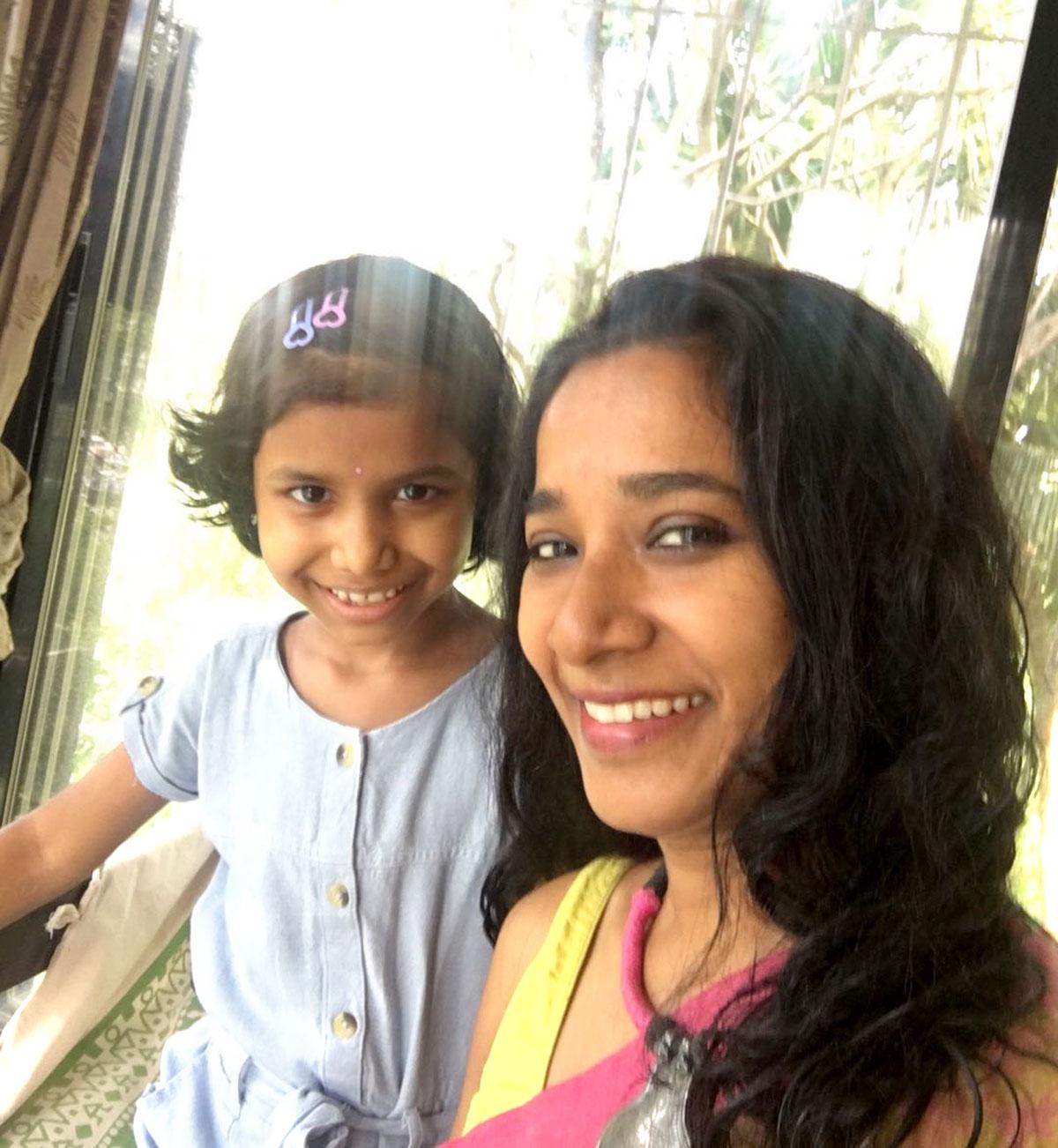
But Radhika knows that you were ailing, right?
Yes, because everyone in school knows that I have been diagnosed with cancer.
She would return home and say, "Mamma, why is everyone asking me how you are?"
Life is back to normal again, she's gone back to school and playing with her friends and continues with her piano lessons.
Recently, she took her mid-term exams and though she had missed out on a lot during the four-month break in New York, her grades are pretty impressive.
She seems to have suddenly grown up, she is much more responsible and mature now.
As you shared, even you have changed…
Yes, the news of the cancer was so sudden and I was overwhelmed by my concern for my mother and daughter, the fight for health insurance, and the daily struggle to survive that I didn't know that something inside me had shifted.
It's only now that I have come to realise that while I used to be shy of expressing my needs earlier, I am shameless and fearless now.
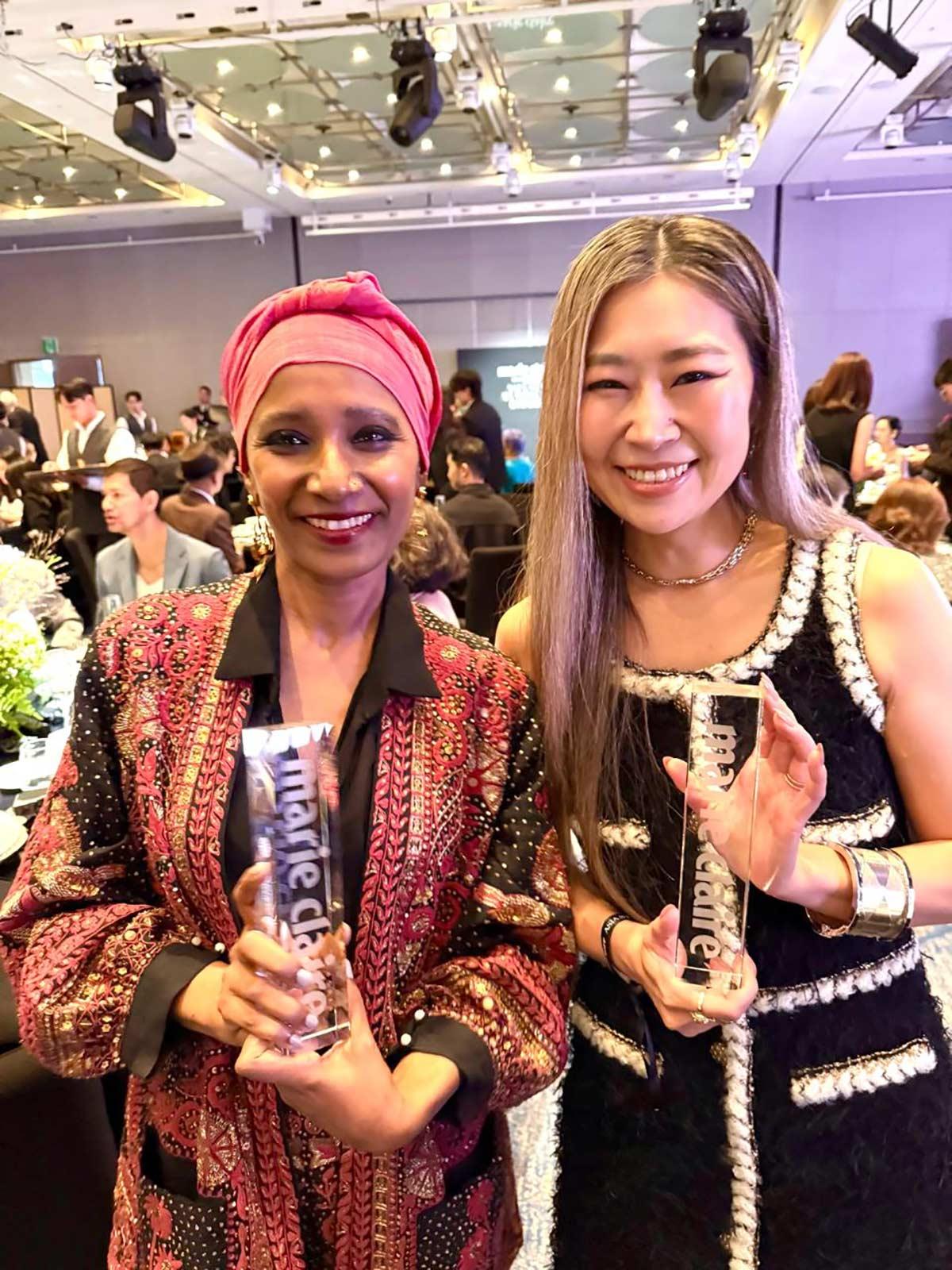
A last question on your second directorial feature, Full Plate, which reportedly is inspired by a true story. Is that true?
Well, it is loosely based on a real person who worked at our place for a few months.
She was quite chatty and would sometimes talk about the people in the other homes where she cooked.
"Samajh mein nahin aata hai itni mahengi khana khate hain, phir bhi didi ko anxiety or bhaiya ko depression hai (I fail to understand how despite eating such expensive food, my employer has anxiety and her husband depression)?" she would joke.
Her light-hearted quips would make me laugh too, particularly when she would gripe about her mistress who would give her something exotic, like an avocado and reel off a string of instructions on how she should cook it, finally telling her to make it like she made it at home.
And she would have to admit that they didn't cook vegetables like this that they could ill-afford at home.
Some of what she shared has crept into the film while it was being scripted.
The thoughts were so simple and the emotions behind them so universal that I felt through the story of Amreen, a simple homemaker who is forced by circumstances to go out and earn a living, I could touch on so many different subjects including insecurity, jealousy, even domestic violence.
It also talks about a generation change that I noticed while travelling around Rajasthan for Leena Yadav's Parched.
I was pleasantly surprised to see young boys, as young as 16, 17 and 18, while still rooted in a patriarchal set-up, defying their conservative parents to marry girls of their choice.
These boys, who have grown up in oppressive, low-income households, suddenly break with tradition to take up for their abused mothers or become a support system for their young wives.
Stories like these were my source material, but I was careful not to bring my subjective morality into the picture.
I kept things light and positive rather than dark and intense and I guess that's why this Full Plate has been accepted with smiles and moments of introspection.
Photographs curated by Satish Bodas/Rediff








 © 2026