
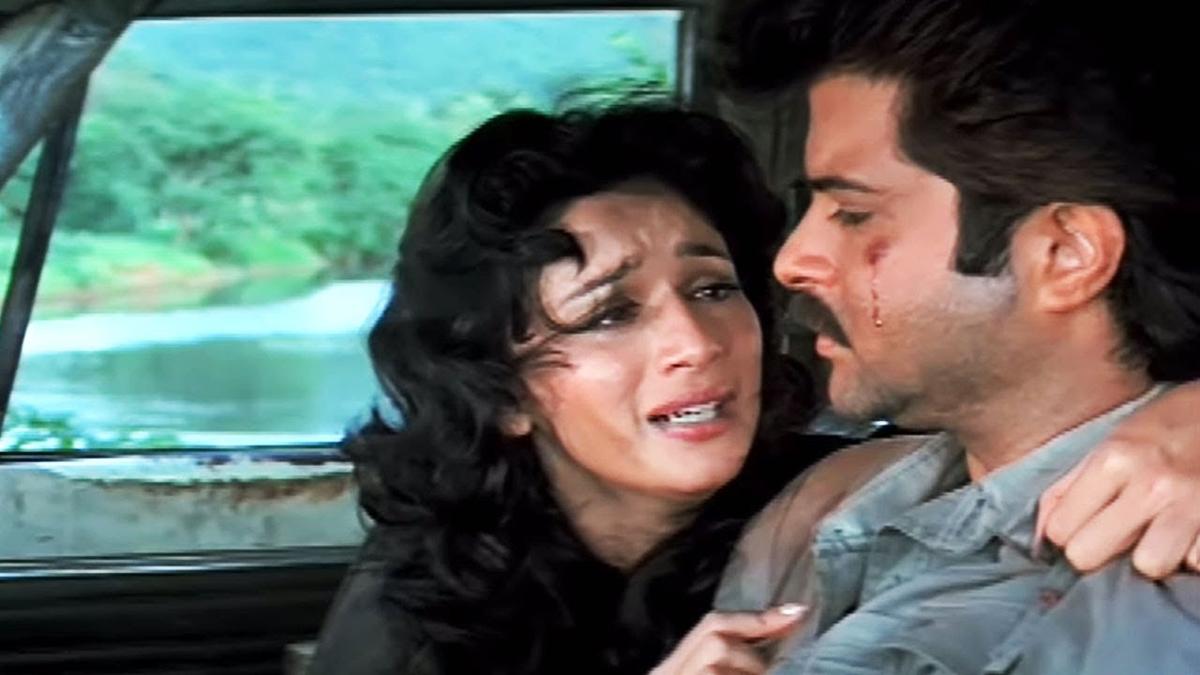
Aditya Pancholi has claimed that he was the first choice to play the lead role opposite Madhuri Dixit in Tezaab.
The role eventually went to Anil Kapoor, and the film became a turning point in both Kapoor's and Dixit's careers after it became a hit.
On X, Pancholi claimed that internal lobbying within the industry cost him the part. 'I was the original choice for Tezaab (1988), opposite Madhuri Dixit. Director N Chandra, who is still very much around, can confirm this,' he tweeted.
He claimed that another actor, through his elder brother -- 'who remains active in the industry' influenced the director to replace him.
'The rest, as they say, is history,' Pancholi remarked, adding that such experiences shaped his understanding of the inner workings of Bollywood.
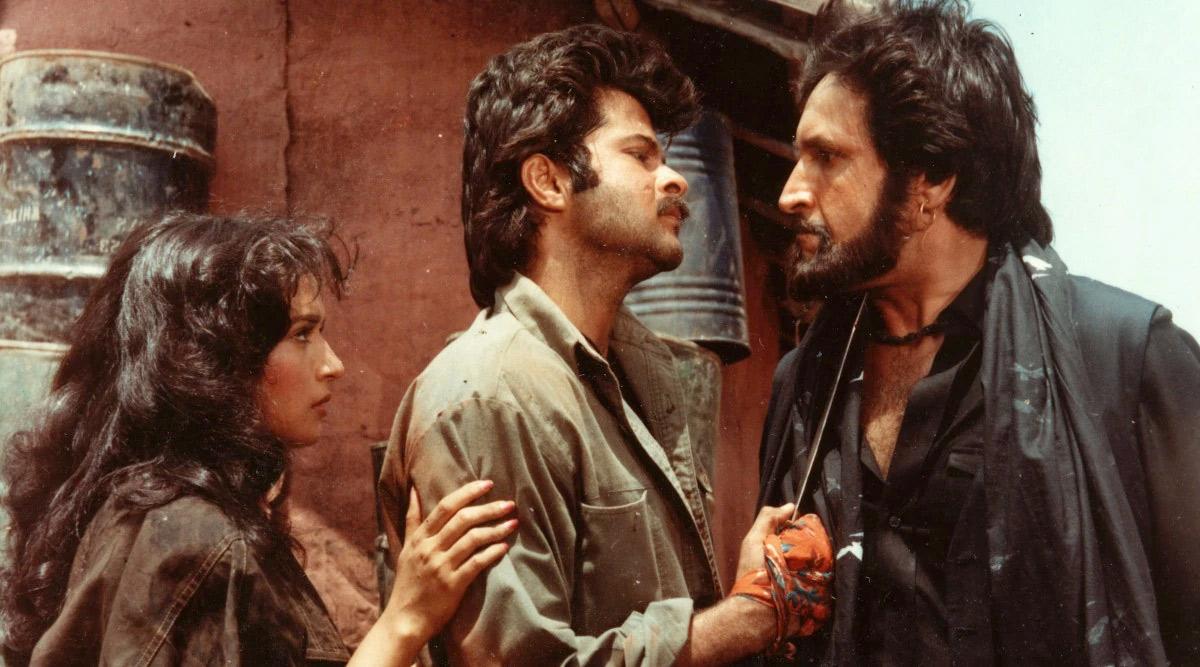
Debunking Pancholi's claim, a source very close to Tezaab, who does want to be named ("Not worth it"), feels Pancholi is imagining things.
"There is not an iota of truth to Pancholi's claims. It was always Anil Kapoor for Tezaab, right from the the time the concept poster was designed," the source remarked.
"The concept poster was inspired by Walter Hills' Streets Of Fire and it had Anil Kapoor's face on it. So where did Pancholi, or any other actor, come into the picture?" wonders the source.
Incidentally, the entire project was put together by Boney Kapoor who was impressed by the one-liner of Director-Co-Writer N Chandra: 'A Violent Love Story'.
The concept of a violent love story appealed to Boney, Anil Kapoor's elder brother. He told Chandra to work on it.
"There was no Madhuri Dixit, no Javed Akhtar, no Laxmikant-Pyarelal, only Anil Kapoor when Tezaab started. Boney brought them all in. It was originally supposed to be a raw rugged visceral small-budget film. The commercial elements came in later."
Incidentally, Boney virtually constructed Madhuri Dixit's career. He recommended her name in about 16 Anil Kapoor projects, thereby pissing off other leading ladies.
The original choice for Vinod Chopra's Parinda was Dimple Kapadia. When Dimple opted out, Boney suggested Madhuri's name.
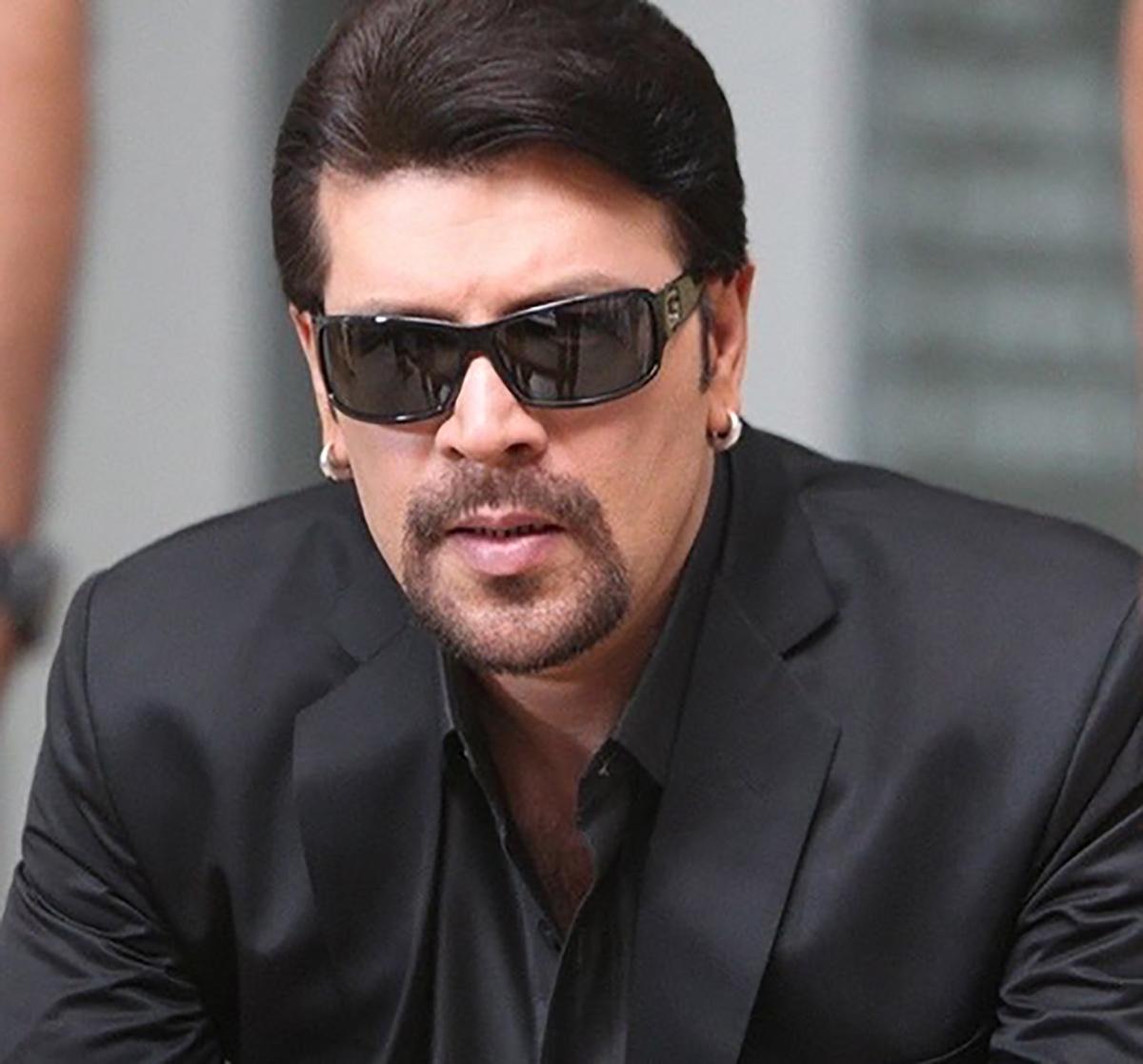
Pancholi's comments came after he watched actor Harshvardhan Rane recently discussed nepotism during a promotional event for his film, Ek Deewane Ki Deewaniyat.
Pancholi asserted that nepotism is only one layer of a larger problem in the film industry.
'Politics in the film industry runs deeper than nepotism,' Pancholi said.
'Favouritism, manipulation, and power games shape careers more than family ties ever could,' he claimed.
To which one X user commented, 'That's such an honest take. People often talk about nepotism, but the real story is how power, influence, and silent politics decide who gets a shot. Respect for speaking the truth with grace.'
To which Aditya replied, 'We should have the courage to call spade a spade.'
Aditya Pancholi began his film career in the mid-1980s, appearing in several small-budget and art-house productions before landing lead roles in mainstream Hindi cinema.
His most notable performance as a leading man came in Mahesh Bhatt's Saathi (1991), which became the biggest hit of his career.
While Saathi brought him recognition, subsequent solo projects failed to replicate its success.
He later found appreciation in supporting and negative roles in Aatish: Feel the Fire (1994), Yes Boss (1997), and Baaghi (2000).
Pancholi's career as a solo hero floundered due to inconsistent box-office performance, competition from emerging stars, and what he describes as 'industry politics'.
His last recognised role was in Sanjay Leela Bhansali's Bajirao Mastani/em> where he played Shripad Rao.
Photographs curated by Satish Bodas/Rediff








 © 2025