

When you declare 12th Failas the Best Film and Rocky Aur Rani Kii Prem Kahaani as the Wholesome Entertainer of the year, you have somehow narrowed the range of the awards, suggesting, in effect, that the entire spectrum of possibility in Indian cinema extends from the Filmfare Awards winner for the Best Film to the Filmfare Awards winner for the Best Film (Critics), points out Sreehari Nair.

I am not here to talk about the controversial decisions that marked this year's National Film Awards.
As with all verdict-by-committee setups, there were bound to be hits and misses, the usual currying of favours, the settling of old scores, a jury under pressure to swing this way or that, to throw its weight behind this actor or that ideology.
Besides, there'll always be honest mistakes, botched attempts at correcting historical wrongs, a Sharmila acting on the belief that her Saif deserves much better.
I am not here to bury the National Film Awards so much as rescue them from banal discourse.
I am here to make a personal observation.
When I was growing up, the National Film Awards were announced on Doordarshan News, typically after the Foreign Affairs section and before the Sports updates.
Salma Sultan or Shammi Narang or Gitanjali Aiyar, wearing that sombre primetime face we no longer get to witness on television, would take you through the list of winners, and the newsreader would inevitably fumble as they read out the name of the Best Film.
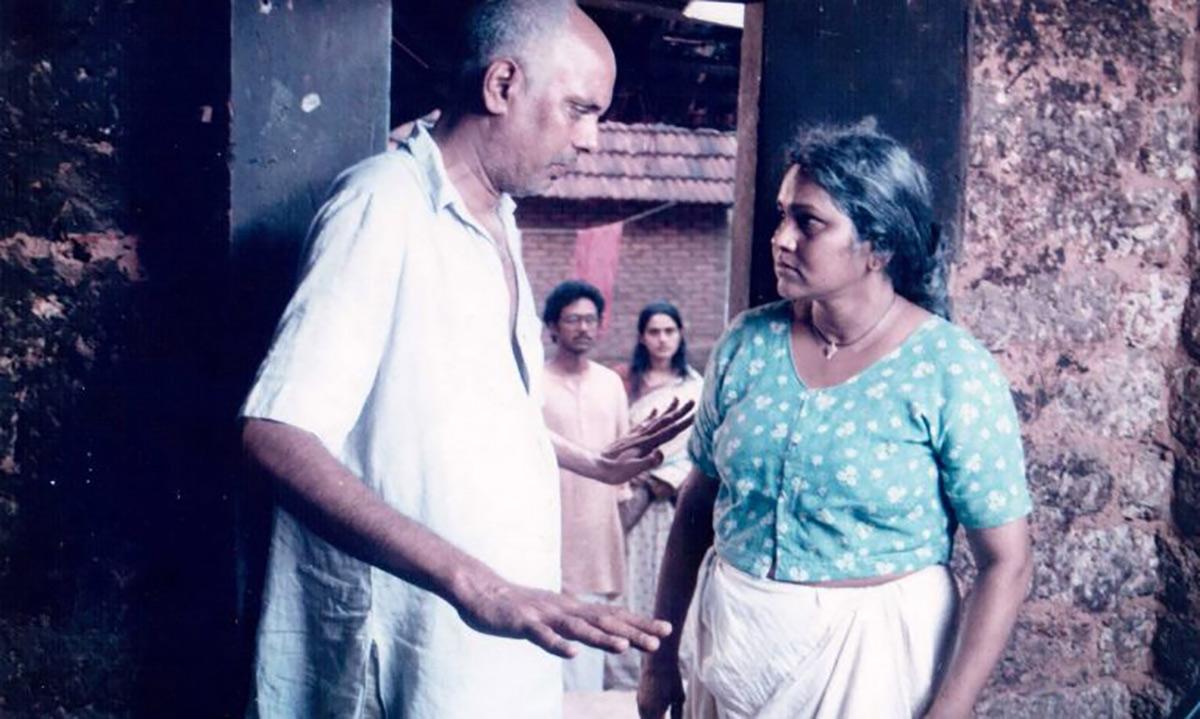
'Katha-ru-pu... excuse me... Kathapurushan by Adoor Gopala-krishnan.'
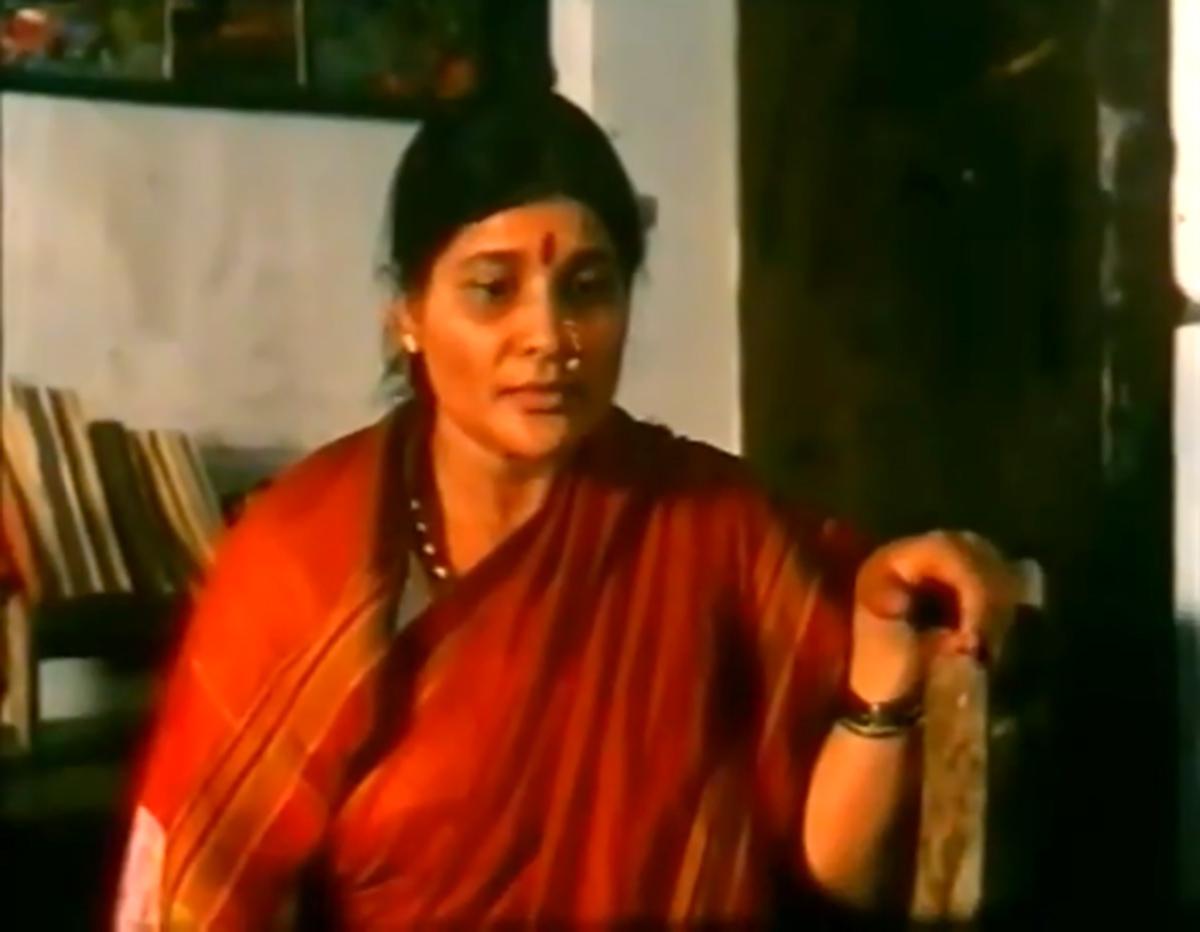
'Thai Sahi... Thaayi Saheba by Girish Kasara-valli.'
Oh, how those immortal voices would struggle to enunciate the names of the 'big winners'.
Add to this the teleprompter that dominated the news studios in the '90s -- hostile, unhelping, dumb -- and the experience must have been nothing less than a grind. (We could feel their pain from the other side of the tube).
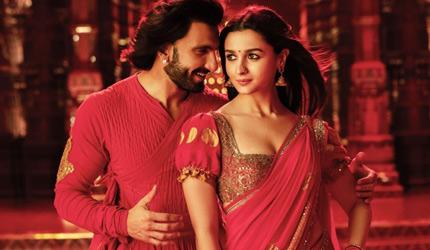
So imagine the relief of those newsreaders when they got to the end of the winners list, to the Best Popular Film Providing Wholesome Entertainment, to such titles as Dilwale Dulhania Le Jayenge, Dil To Pagal Hai and Kuch Kuch Hota Hai. These were familiar names, names that didn't call for any mental calisthenics, names that just rolled off the tongue.
After a brush with extreme obscurity, life was manageable once again -- for the newsreader, and for us.
The above anecdote may amount to nothing more than a footnote in our broadcast history, but there's a good reason for revisiting it now.
Back then, one of the key qualifications for winning the prestigious Swarna Kamal was that a film be as far as possible removed from the mainstream -- preferably unreleased, and if released, a total no-show at the box office. And picking such a film was considered to be a task worthy of a cinema purist.
On the other hand, to pick the Best Popular Film, one merely had to scan the latest Filmfare Awards list and plump for the crowd-pleaser that had taken home the big trophies.
Any rookie from the jury could be expected to perform this menial function.
Now I am not bringing up this subject with the intention of eulogising those years when India's parallel cinema movement was still something of a force. As I see it, that movement willed its own death by failing to care about the audience.
And yet, there were two choices this year that point to a clean break with the past.
When you declare 12th Fail as the Best Film and Rocky Aur Rani Kii Prem Kahaani as the Wholesome Entertainer of the year, you have somehow narrowed the range of the awards, suggesting, in effect, that the entire spectrum of possibility in Indian cinema extends from the Filmfare Awards winner for the Best Film to the Filmfare Awards winner for the Best Film (Critics).
And this incessant mainstreaming, to my millennial mind at least, signals not just the end of an era but the demise of a style, of a personality-type.
I cannot help but light a candle for those cinema purists, those necessary bores, frequenters of the Calcutta Film Society and such other clubs.
They were awfully difficult people, flinty and snobby, people with whom it was impossible to have healthy human relations with.
But they nonetheless cared enough about the art of cinema to keep it separate from the lure of the Box Office.
Whatever happened to that Celluloid Grump, who was once such an important part of our cultural landscape?
Has he choked on his own aloofness?
Is he now reduced to a minor background figure, or laid to permanent rest?
It's his growing irrelevance that I mourn most when I think about this edition of our National Film Awards.
Photographs curated by Satish Bodas/Rediff









 © 2026