
IBBI removes sale of company as going concern in liquidation; now only asset sales allowed, shifting focus strictly to terminal liquidation process.
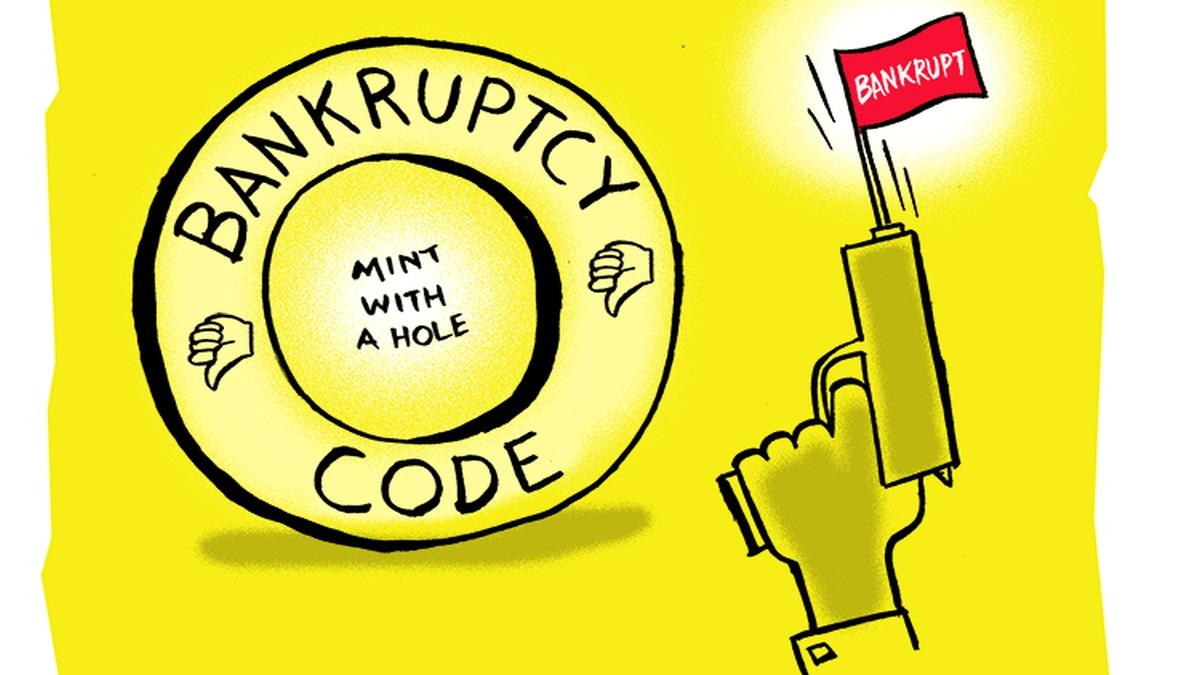
The Insolvency and Bankruptcy Board of India (IBBI) -- in its latest amendments to IBC regulations -- has done away with the provision of allowing sale of a company as a going concern under the liquidation process.
The changes in the liquidation process second amendment, omitting the said provision, were made by the IBBI in a notification dated October 14.
The insolvency regulator, in an earlier discussion paper, had raised several concerns regarding the sale of a company as a going concern under the liquidation process.
It included poor outcomes, prolonged legal disputes, increased costs, and delays in completion of the process.
Experts said that with the removal of the possibility of sale of the company or business as a going concern, the only option left for bidders to acquire the company is through the corporate insolvency resolution process (CIRP). This is because under liquidation, only assets can be sold in one or the other manner.
“This could be good for bidders who only want to acquire select assets and it may also result in quicker conclusion of liquidation processes. But bidders who are interested in acquiring the entire company and take the benefit of continuity of licences and registrations, will now not find liquidation sale beneficial,” said Anshul Jain, partner, national leader -- regulatory, PwC India.
Jain said, however, that the regulations need what would happen to employees and their social security benefits, litigation among other things and how they will continue in case of sale to bidders through liquidation.
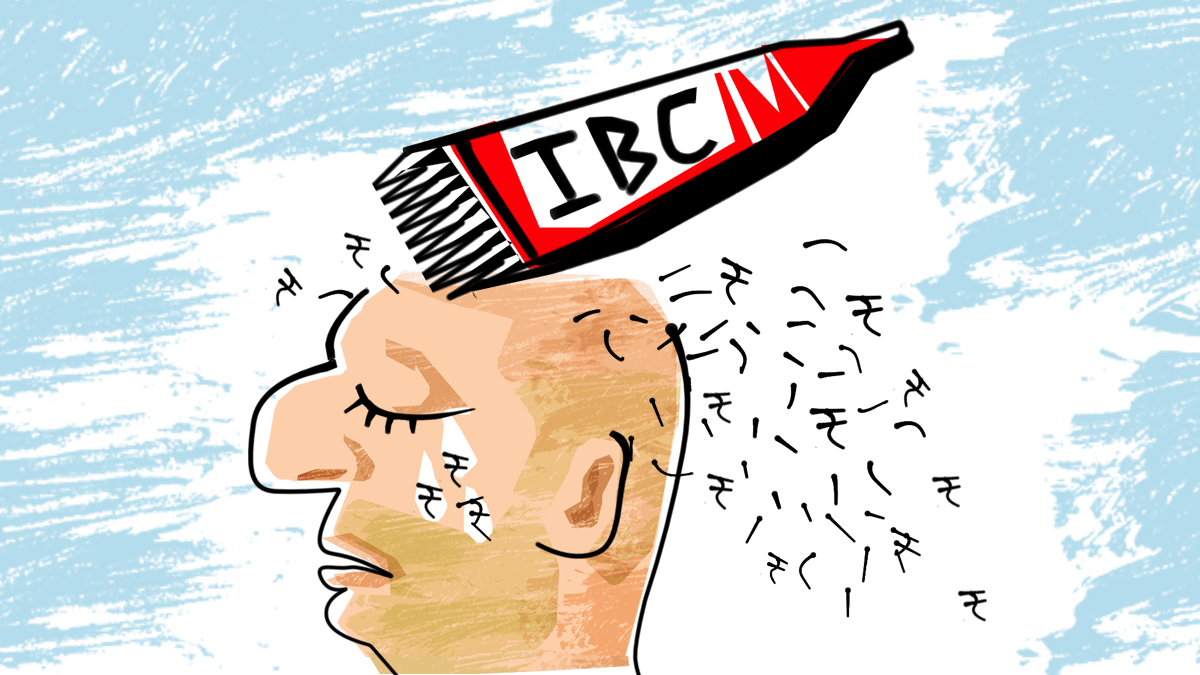
Till June 2025, some 103 corporate debtors (CDs) were closed by sale as a going concern under the liquidation process.
These 103 CDs had claims amounting to around ₹1.61 trillion against the liquidation value of nearly ₹5.68 trillion, IBBI data shows.
“The board has effectively delineated a clear boundary between the resolution process and liquidation. The underlying intent appears to be to treat liquidation strictly as a terminal process focused on realisation and distribution of assets, rather than an extended avenue for revival,” said Sonam Chandwani, managing partner, KS Legal and Associates.
The Standing Committee on Finance, in its 32nd report, recommended that regulation 32(e) of Liquidation Regulation which provides for sale as a going concern, be deleted.
The committee said, “...entry into liquidation itself implies the inability of the CD to be continued as a going concern. Accordingly, the Code prescribes dissolution of the CD as the final outcome of the liquidation process.”
“By specifying that the new rules apply only to liquidations where the ‘sale as going-concern’ has not yet commenced, the IBBI ensures that ongoing processes are not disrupted retroactively -- a principle of legal certainty for creditors, existing management and liquidation professionals,” said Sukrit Kapoor, partner, King Stubb & Kasiva, Advocates and Attorneys.
In its discussion paper dated February 4, 2025, IBBI said that creditors recovered only 2.4 per cent through going concern sales -- (75 per cent of liquidation value), but 3.7 per cent via regular dissolution -- 101 per cent of liquidation value.
“This indicates that going concern sales provide no additional value preservation advantage compared to regular dissolution,” the insolvency regulator added.
Feature Presentation: Rajesh Alva/Rediff











 © 2026