
Commercial banks in India reported 26 per cent year-on-year (Y-o-Y) growth in slippages at Rs 63,000 crore during the first quarter ended June 2025 (Q1FY26).
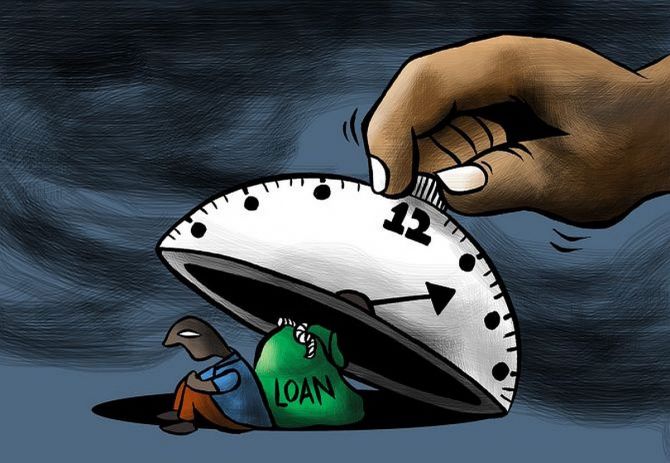
This was predominantly due to stress in microfinance and unsecured retail portfolios of select lenders.
The incidence of default was higher among private lenders compared to their public sector counterparts, according to CareEdge Rating data.
The technical impact from one large private bank and seasonal rise in agriculture bad loans also contributed to uptick in slippages.
Sequentially, slippages were up from Rs 57,000 crore in the quarter ended March 2024 (Q4FY25).
The slippages for private banks grew at a much higher rate of 41 per cent (Rs 36,000 crore) in Q1FY26 than public sector banks (PSBs) with 14.4 per cent (Rs 27,000 crore).
The rating agency, in its analysis of 30 lenders for Q1FY26, said PSB slippage ratio has remained lower than that of private banks, supported by a mix of structural and cyclical factors.
Lending growth has been skewed towards low-risk retail segments, particularly mortgages, while expansion in unsecured retail loans has been measured, and large corporate defaults have been minimal.
In addition, the cleanup of legacy stress has progressed, with many overdue accounts from the past two-three years either resolved or provided for, thereby reducing the pool of high-risk exposures, it added.
As for recoveries and upgrades, CareEdge data showed the performance was subdued with just 3.57 per cent growth in the first quarter.
In absolute terms, upgrades and recoveries were Rs 29,000 crore in April-June 2025, up from Rs 28,000 crore a year ago.
Sequentially, they declined from Rs 31,000 crore in the quarter ended March 2025.
State-owned lenders recoveries and upgrades shrunk by six per cent to Rs 16,000 crore in Q1FY26 from Rs 17,000 crore a year ago.
In contrast, private banks actually saw improvement on a Y-o-Y basis with Rs 13,000 crore of recoveries and upgrades in Q1FY26 against Rs 11,000 crore a year ago.
CareEdge data showed the write-offs, removing bad loans from the balance sheet after making regulatory provisions, grew 3.84 per cent to Rs 27,000 crore in Q1FY26.
They declined sequentially from Rs 34,000 crore in the March 2025 quarter.
Even though bad loans are off the books, defaulting borrowers have an obligation to pay back money and lenders continue to pursue various legal means to recover dues.
Private lenders were aggressive in clean-up with write-offs amounting to Rs 14,000 crore in Q1FY26 compared to Rs 9,000 crore in Q1FY25.
PSBs actually saw much subdued activity on Y-o-Y basis with Rs 13,000 crore of non-performing assets (NPAs) taken off the books in Q1FY25.
This is down from Rs 17,000 crore in Q1FY25.
The overall stress level of scheduled commercial banks (SCBs) has reduced Y-o-Y with a combined decrease in gross non performing assets (GNPAs) and the restructured book in Q1FY26.
GNPAs of SCBs have fallen by 9.5 per cent to Rs 4.18 trillion as of Q1FY26.









 © 2025