
While heartbreak is often seen as an emotional struggle, it is also known to cause headaches, nausea and vomiting, abdominal distress, weight gain or weight loss, warns Dr Rahul Bajaj, director, cardiologist at Gleneagles Hospital.
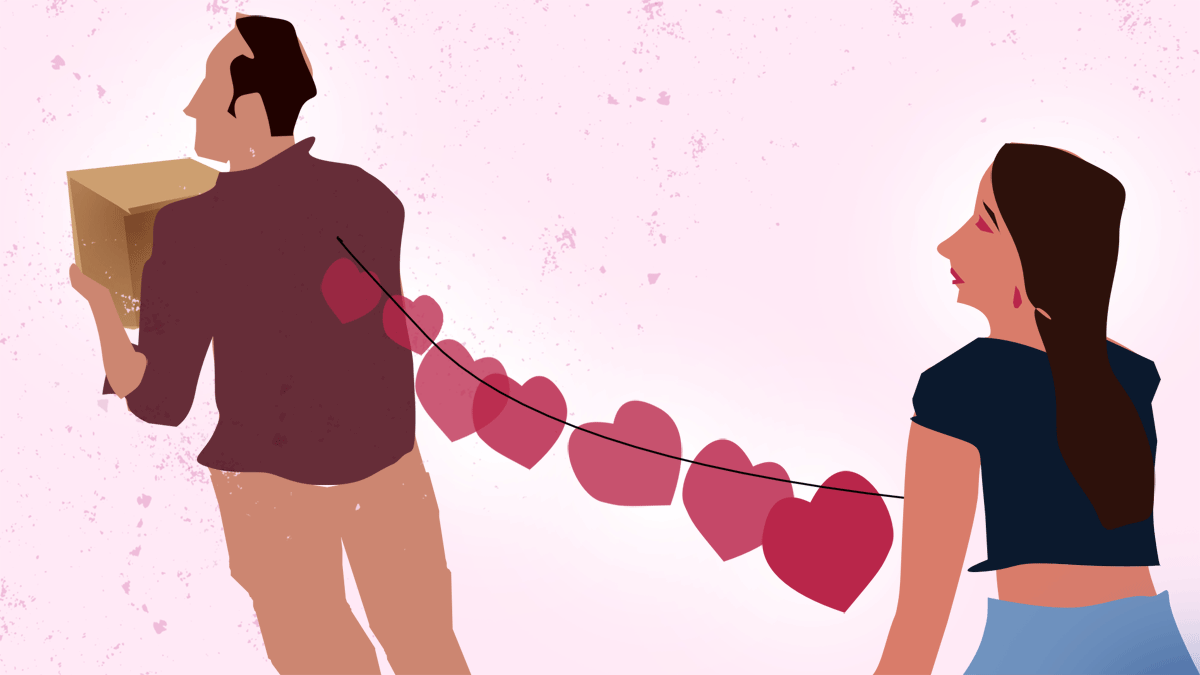
World Heart Day is a powerful reminder to focus on your heart health.
While emotional and physical stress can cause damage, did you know that a break-up could also affect your heart?
While heartbreak is often seen as an emotional struggle, it is also known to cause headaches, nausea and vomiting, abdominal distress, weight gain or weight loss.
When you are emotionally low, you may indulge in overeating or irregular eating patterns leading high blood pressure, fatigue and weakness.
Sooner or later, this can take a toll on your heart.
Dr Rahul Gupta, director, cardiologist at Gleneagles Hospital, Mumbai, helps you understand the connection between a heartbreak and a heart attack.
Cardiovascular diseases (CVDs) such as heart attacks and strokes continue to be the leading cause of death in India, accounting for nearly 31 per cent of all deaths in the country.
Millions of Indians are battling heart health problems while many suffer silently due to lack of awareness.
The causes of heart attack can be attributed to stress that can arise due to personal or professional struggle, obesity, high blood pressure, family history and genetics.
In some cases, heartbreak can also be linked to extreme stress and a heart attack.
When you look around, you realise people are struggling due to the complex nature of relationships.
For example, a marriage ending in a divorce or a breakup in a relationship, romantic or otherwise, can not only impact the mind but also the heart.
Many people experience heartbreak at some point in life. The heartbreak can be in the form of a marriage or a relationship ending on a bad note, loss of a loved one, financial loss and crisis, heartbreak due to rejection in one-sided love or at work; personal failures, too, can be stressful.
Heartbreak can cause anxiety or depression.
But how can heartbreak cause a heart attack?
A condition known as stress-induced cardiomyopathy or Takotsubo syndrome, which is the broken heart syndrome, can steal one's peace of mind because of extreme stress.
If an individual is experiencing sudden stress, then the body will release stress hormones such as adrenaline, causing weak heart muscles; it could feel similar to a heart attack.
The symptoms seen can be chest pain and breathlessness but the arteries will not get blocked, like what happens during a heart attack.
Understand that those who smoke and have a family history of heart disease may experience a heart attack because of sudden chronic stress. Sudden shock or heartbreak can also trigger a heart attack.
The classic symptoms of a heart attack are chest pain, shortness of breath, constant sweating, dizziness, fatigue, nausea and vomiting.
A heart attack is an emergency and demands timely attention.
The doctor will decide the line of treatment based on the condition of the patient. Delaying treatment can land the patient in trouble.
Vital tips to follow after a heartbreak
1. If you have unfortunately faced a heartbreak, accept it as part of life; try not to obsess over it.
At the same time, it is not advisable to suppress your emotions and struggle in silence.
Make sure to open up and speak to a close family member or a friend. Go for counselling if required.
2. Pay attention to your mental, emotional and physical well-being.
Exercise daily for at least 45 minutes. Do yoga, deep breathing exercises and meditation.
Pay attention to your diet and include fresh fruits, vegetables, whole grains, pulses and lentils. Avoid junk, processed, oily, canned and sugary foods.
3. It is necessary to quit smoking, alcohol and illicit drug use. Join a support group and speak to other people who are also grappling with a similar situation.
4. Journalling can also be beneficial in venting out your emotions and decluttering your mind.
5. Get in shape, go for regular spas and focus on self-care to feel better.
6. Don't blame yourself or be harsh on yourself; give yourself enough time to heal, feel confident and bounce back from the heartbreak.
Nothing will last longer, not even the pain. Stay stress-free, protect your heart!
Disclaimer: All content and media herein is written and published online for informational purposes only. It is not a substitute for professional medical advice. It should not be relied on as your only source for advice.
Please always seek the guidance of your doctor or a qualified health professional with any questions you may have regarding your health or a medical condition. Do not ever disregard the advice of a medical professional, or delay in seeking it because of something you have read herein.
If you believe you may have a medical or mental health emergency, please call your doctor, go to the nearest hospital, or call emergency services or emergency helplines immediately. If you choose to rely on any information provided herein, you do so solely at your own risk.
Opinions expressed herein cannot necessarily provide advice to fit the exact specifics of the issues of the person requesting advice.











 © 2025