

'We expect modest returns in 2026 versus the steep gains seen over the past few years.'
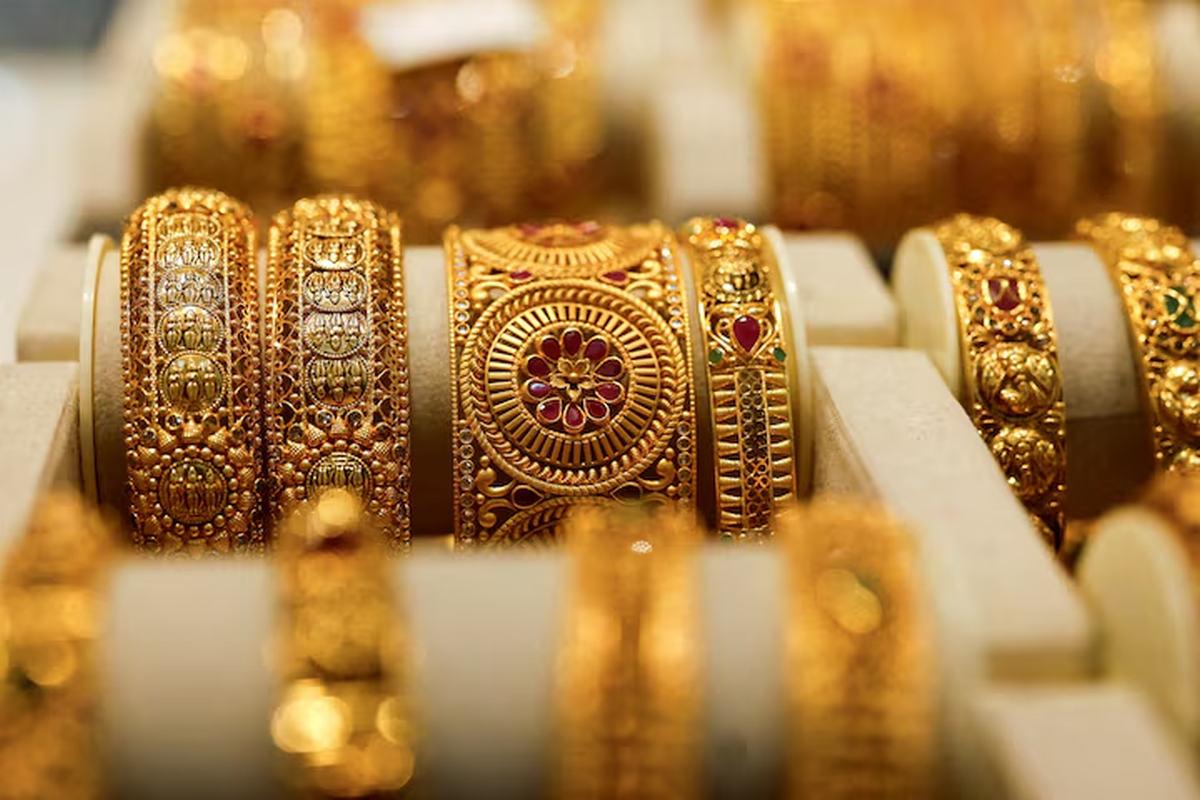
Gold has been among the strongest-performing asset classes in India in 2025, delivering a return of 73.9 per cent year-to-date.
After such a strong rally, experts say investors should avoid chasing past returns and instead focus on rebalancing and maintaining a disciplined allocation to the yellow metal in 2026.
Central bank buying could support prices
One of the most important drivers of the rally has been sustained buying by emerging-market central banks, as they diversified away from the US dollar and US treasuries.
"Since 2022, many of them have been on a gold-buying spree, realising the benefits of increasing the share of gold in their overall reserves, especially after the freezing of Russian foreign assets by Western countries," says Nilesh D Naik, head of investment products, Share.Market (PhonePe Wealth). This structural demand is unlikely to disappear anytime soon.
Another driver is expectations around US monetary policy. A non-interest-yielding asset like gold performs well when real interest rates soften.
"There is a high possibility of the Fed cutting rates amidst an employment slowdown in the US," says Sandip Raichura, CEO of retail broking and distribution and director, PL Capital.
Global gold exchange-traded funds (ETFs) purchased more than 700 tonnes of gold in 2025.
"Geopolitical conflicts, trade tensions and policy uncertainty across major economies continue to reinforce gold's role as a store of value," says Prasanna Pathak, deputy CEO, The Wealth Company Mutual Fund.
Periodic spikes in market volatility could further reinforce gold's appeal as a safe-haven asset.
A weakening rupee against the dollar could bolster returns of Indian investors.
What could limit returns
A key risk is the possibility that interest rates may not soften.
"The Federal Reserve could turn hawkish, particularly if inflation re-emerges and forces interest rates to stay higher for longer, lifting real yields," says Manav Modi, commodities analyst, Motilal Oswal Financial Services.
Higher real yields and a stronger US dollar would reduce gold's relative attractiveness.
Naik cautions that easing of geopolitical tensions or trade conflicts could dampen safe-haven demand.
Modi points out that while central bank buying is expected to continue, purchases may slow down from the exceptionally high levels seen in recent years.
A period of rupee stability or appreciation could moderate Indian investors' returns even if global gold prices remain firm.
Elevated prices may also discourage retail demand for jewellery. After a multi-year rally, profit-taking and valuation fatigue could lead to consolidation.
Base-case outlook for 2026
Gold is unlikely to repeat the kind of outsized gains seen recently, even as the long-term outlook remains positive.
"We expect modest returns in 2026 versus the steep gains seen over the past few years," says Aditya Agrawal, chief investment officer, Avisa Wealth Creators.
A phase of consolidation with a positive bias appears likely over the next 6 to 12 months.
Naik points out that gold has outperformed equities over the past year, pushing Nifty 50-to-gold valuation ratios to levels that have historically favoured equities over the medium term.
Book partial profits
Investors who hold gold should review their allocation.
"After the recent rally, investors may be overallocated to gold. They should rebalance back to their strategic allocation," says Kaustubh Belapurkar, director - manager research, Morningstar Investment Research India.
Make staggered entry
Investors looking to enter gold after the sharp run-up should avoid the temptation to chase past returns.
Instead, they should decide their strategic allocation.
According to Belapurkar, a 5 to 10 per cent allocation reduces portfolio volatility without significantly sacrificing return potential.
Staggered investments work best amid elevated prices. Monthly investments through gold ETFs or SIPS (systematic investment plans) in gold mutual funds can help average out costs and reduce timing risk.
Lump-sum investments should be avoided. According to Agrawal, investors should consider lump-sum investments only if there are interim corrections of 10 to 15 per cent.
Raichura advises investors to have a holding period of a decade to overcome gold's long cycles.
According to Pathak, investors seeking balanced exposure may consider exposure to the yellow metal via multi-asset allocation funds.

Disclaimer: This article is meant for information purposes only. This article and information do not constitute a distribution, an endorsement, an investment advice, an offer to buy or sell or the solicitation of an offer to buy or sell any securities/schemes or any other financial products/investment products mentioned in this article to influence the opinion or behaviour of the investors/recipients.
Any use of the information/any investment and investment related decisions of the investors/recipients are at their sole discretion and risk. Any advice herein is made on a general basis and does not take into account the specific investment objectives of the specific person or group of persons. Opinions expressed herein are subject to change without notice.
Feature Presentation: Aslam Hunani/Rediff








 © 2026