
India's craft chocolate makers are changing the market by using local cacao, creating bold new flavours, making chocolate both a luxury and a story.
When Manam Chocolate opened its boutique cafe and retail store in New Delhi's Eldeco Centre a few weeks ago, it used it as an opportunity to bring customers closer to the bean-to-bar process.
Through large screens inside the store, it took visitors straight to the farms of Andhra Pradesh and Telangana, where they could watch the farmers harvest, ferment and dry cacao.
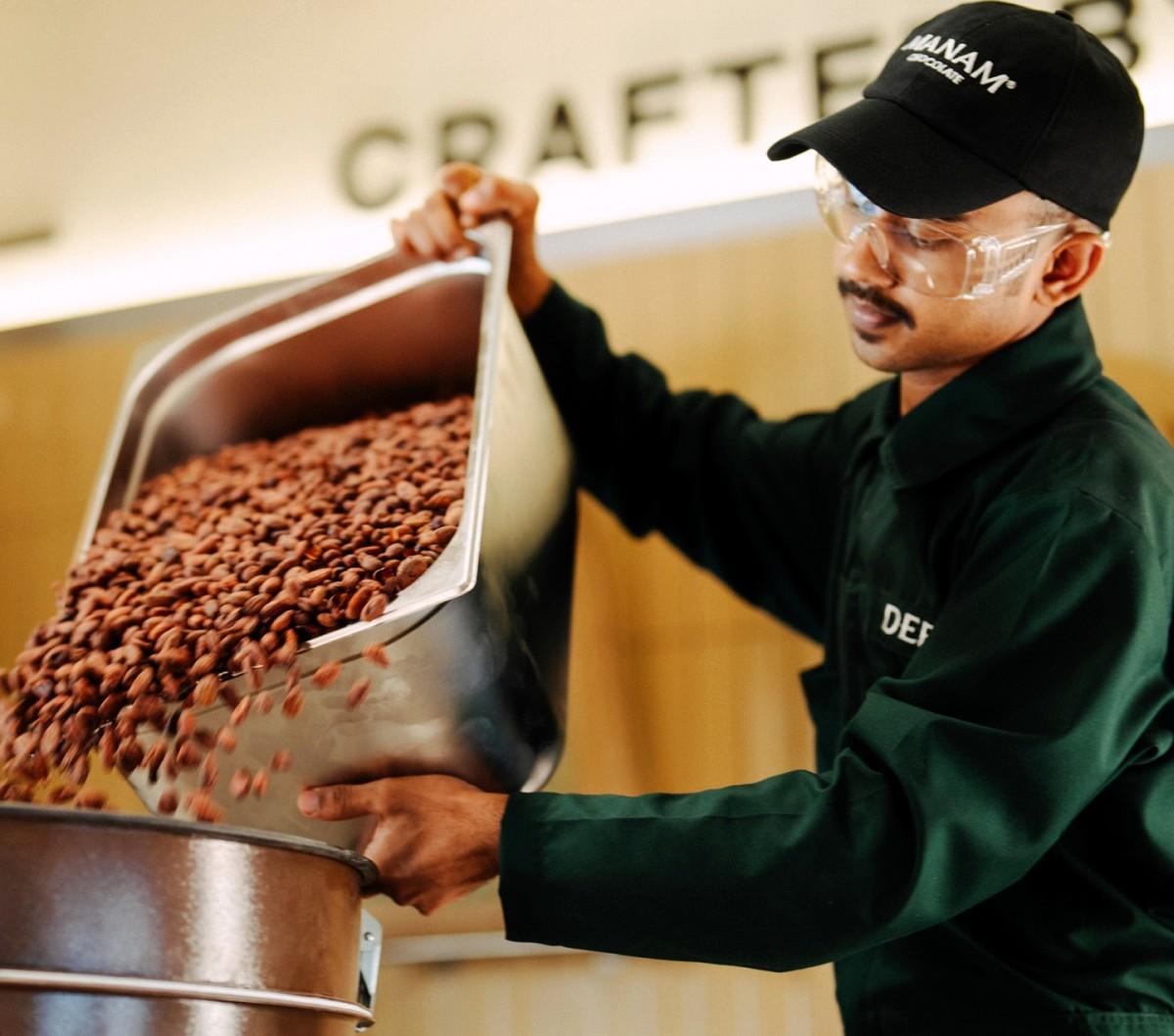
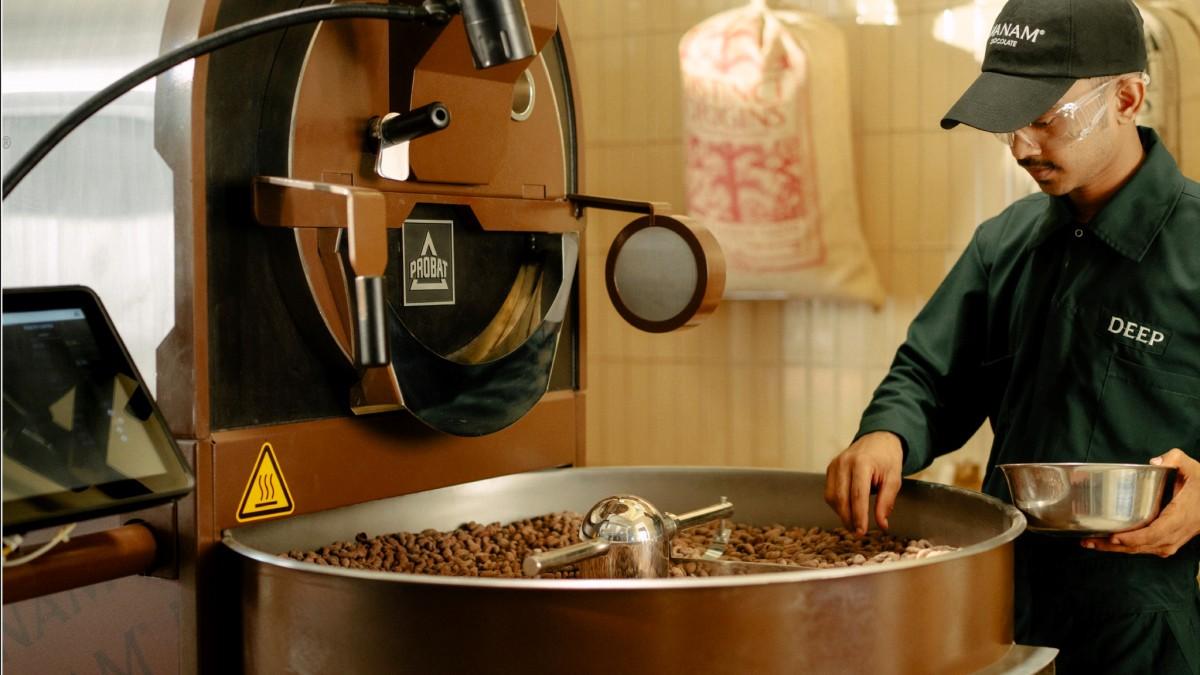
The beans, cultivated over 3,000 acres of cacao farms by over 150 farmers, are the ones used to craft Manam's 300-plus products across 50 categories -- from rich chocolate beverages to savoury bites.
This immersive approach to chocolate-making is emblematic of a quiet but potent transformation in India's chocolate market.
Indian craft chocolate brands are entering a sweet spot, powered by a blend of indigenous cacao cultivation, premiumisation, sustainable practices, and consumer appetite for indulgent, health-conscious, and experiential products.
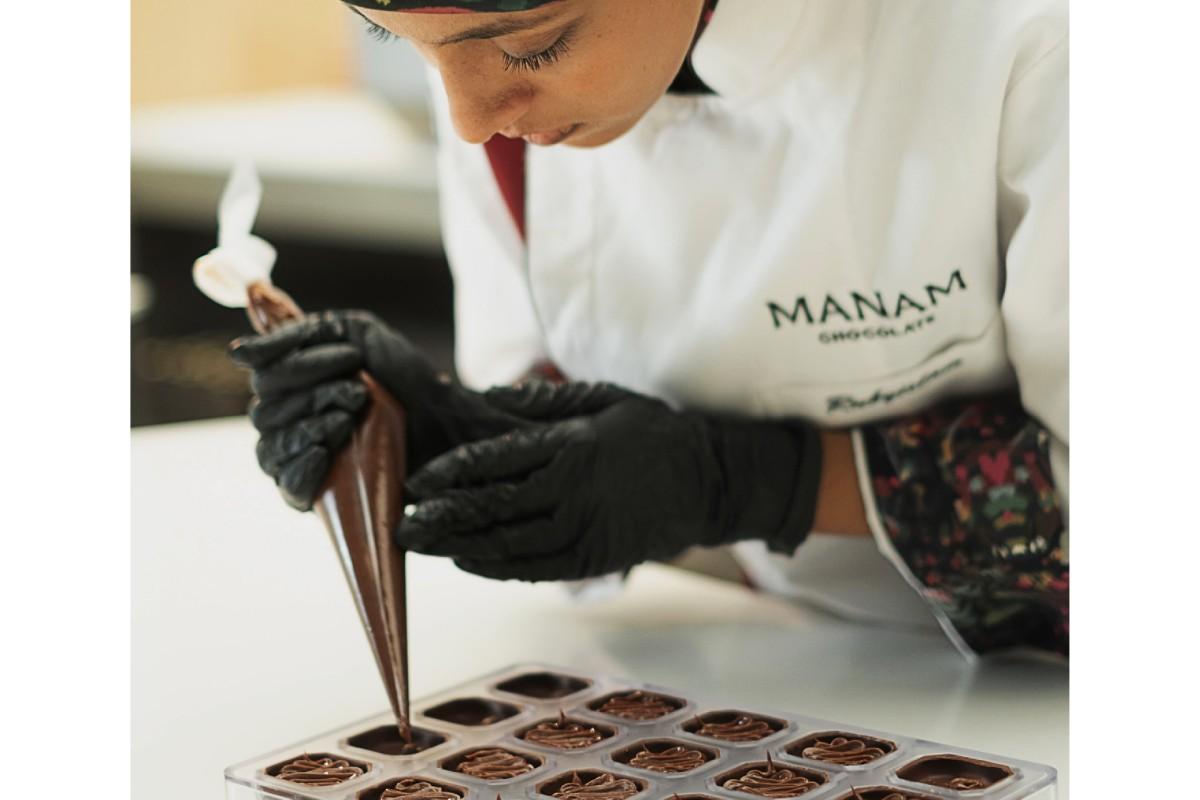
The numbers are telling. Manam, which launched in 2021 with an investment of just over Rs 80 lakh, is now clocking a 125 per cent year-on-year growth rate -- a trend founder Chaitanya Muppala expects will continue for at least the next three years.
"Our endeavour will be to focus on the Delhi-National Capital Region for the next 18 to 24 months," he says. "We are keen to expand to key cities like Mumbai and Bengaluru over the next two to three years."
The company, which has a 10,000 sq ft retail store and a chocolate factory in Hyderabad, plans to replicate the experience-led concept in other metros, alongside smaller retail formats and travel retail presence at airports.
According to market research and data analytics company Euromonitor International, India's chocolate market is expected to grow from ₹15,512 crore in 2023 to ₹23,700 crore by 2027.
Within this, the craft segment remains niche, but is scaling rapidly. Most bean-to-bar brands have launched with investments in the ₹3 crore to ₹5 crore range and are reporting annual growth rates of 40 to upwards of 100 per cent.
Source code
Key to this growth is the shift in how chocolates are made and marketed.
L Nitin Chordia, founder of Chennai-based Kocoatrait, points to the premiumisation of the product as a major driver: "Customisation, sustainability, and transparency are giving customers, especially those in their 20s to mid-50s, reasons to pick Indian craft brands over mass-market options."
Kocoatrait, he says, walks the talk. Its chocolate packaging is completely free of plastic, made from a blend of cotton waste and cacao shells.
Customers are encouraged to return used wrappers for reuse, and gift boxes come with paper tapes instead of plastic.
"We reduce our carbon footprint by roughly 30 per cent compared to others in this segment," says Chordia.
Manam, meanwhile, adds scannable QR codes on its packaging that trace the bean's origin, the farm it came from, and even the farmers involved.
While sustainability has become a buzzword across industries, craft chocolate makers are embedding it deeply into operations.
Akhil Chandrasekhar Grandhi, cofounder of Bon Fiction, a three-year-old chocolate brand, speaks about the difference between genuine commitment and performative branding: "Greenwashing is a real threat. Sustainability should be a foundational pillar, not just a marketing hook."
Bon Fiction uses cacao husk to make tea and repurposes other waste for composting at its factory in Rajahmundry, Andhra Pradesh.
A mouthful of flavours
The Indian craft chocolate scene is also defined by innovation in flavour. From Pascati's raspberry and hibiscus bar to Mason & Co’s chilli cinnamon, brands are pushing boundaries.
Manam, for example, offers curry-leaf chocolate. Bon Fiction has rose-pistachio chocolate, which even won a gold medal at the Academy of Chocolate Awards 2024 for bean-to-bar flavoured dark chocolate. And Paul & Mike has an idukki-cardamom bar.
These unusual combinations are finding favour with consumers eager to explore chocolates that marry Indian ingredients with global finesse.
Pascati, which has been around for nearly a decade, has seen a dramatic shift in scale.
From processing 500 kg of cacao beans in its first year, the company now processes about 8 tonnes, says founder Devansh Ashar.
The company's year-on-year growth is currently around 70 per cent, driven largely by demand for gifting. Even product pricing has moved upward by 20 per cent, reflecting growing brand equity.
The company works directly with farmers to train them in post-harvest processing, ensuring that no pesticides or chemicals are used.
The factory, too, follows green cleaning practices using hot water and neem oil. Pascati recently gained further visibility as part of the gift hamper on the eighth season of Koffee With Karan.
Mahek Sugandh, who runs Cacao Springs and The Binge out of Nagpur, says that customers today are actively seeking ethical luxury.
"It takes us three to four months to finalise a new flavour," she says. Her brands use ingredients sourced from Europe, the US, and West Africa -- blending them into bold flavour pairings like yuzu-lemon with coconut, cashews with caramel, Himalayan pink salt with lavender, and rose with almond.
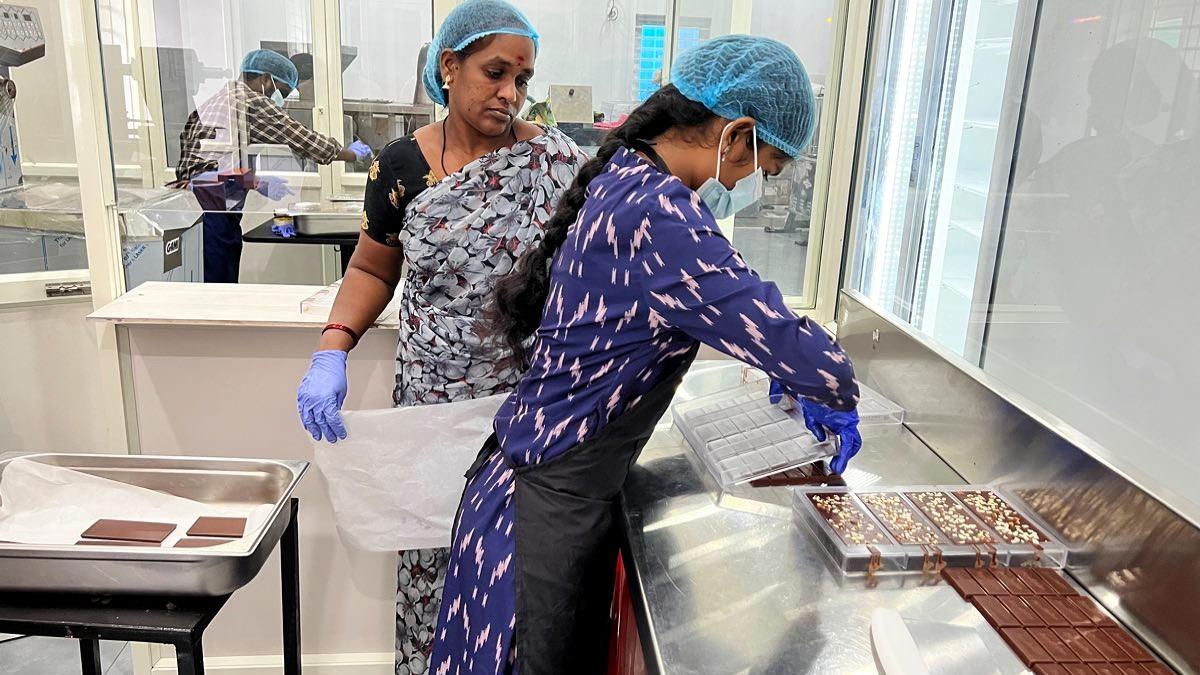
To meet demand, particularly during the festive season, Sugandh recently expanded her factory to 22,000 sq ft, three times its earlier size, and increased her workforce to over 220 employees.
She also brought on board senior consultants from global chocolate companies to guide innovation.

Events such as the Indian Cacao and Craft Chocolate Festival, which is held in Bengaluru and the fourth edition of which returns later this year, are adding momentum.
Much like wine-tasting events, these immersive experiences are helping consumers appreciate the nuance and narrative behind every bar of bean-to-bar chocolate.
What was once a category dominated by foreign imports and mass-produced bars is now a stage for Indian brands telling stories of provenance, sustainability, and local ingenuity.
With gifting becoming a more elaborate and thoughtful exercise, Indian craft chocolatiers are gearing up for their biggest festive season yet -- not just to delight palates, but to redefine indulgence.
Feature Presentation: Rajesh Alva/Rediff











 © 2025