

Sri Lanka stays with you not just in memory, but gently reminds you what a society can achieve when heart and heritage guide the way.
The moment you land in Colombo, you sense an exhilarating feeling.
It is clean. People are genuinely polite and helpful. You feel welcome.
What strikes you almost immediately is the smiles of people who pass you.
They are genuinely warm and go about their lives with an unhurried pace.
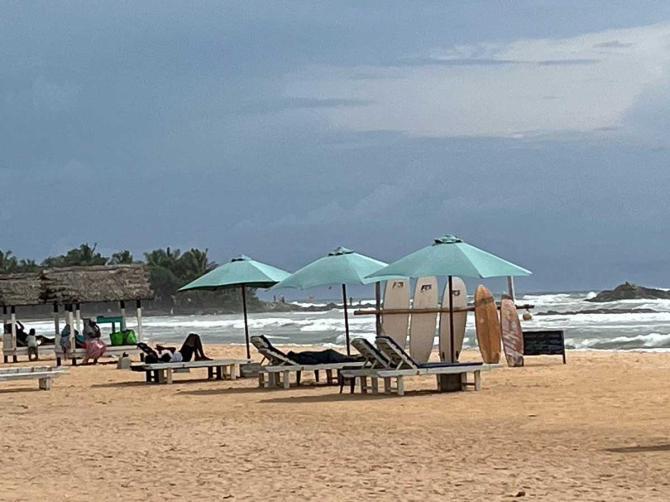
This city awakens to the sound of the sea as its waves crash against the coast.
You catch the whiff of salt on your lips as you walk along the beach, listening to the roar of the waves.
The beaches are squeaky clean. So are the cities and villages. You wonder why.
"We take pride in keeping our country clean," says Priyantha, a Colombo resident.
In small tea shops and cafés, strangers chat over various blends of Sri Lankan tea. And politics.
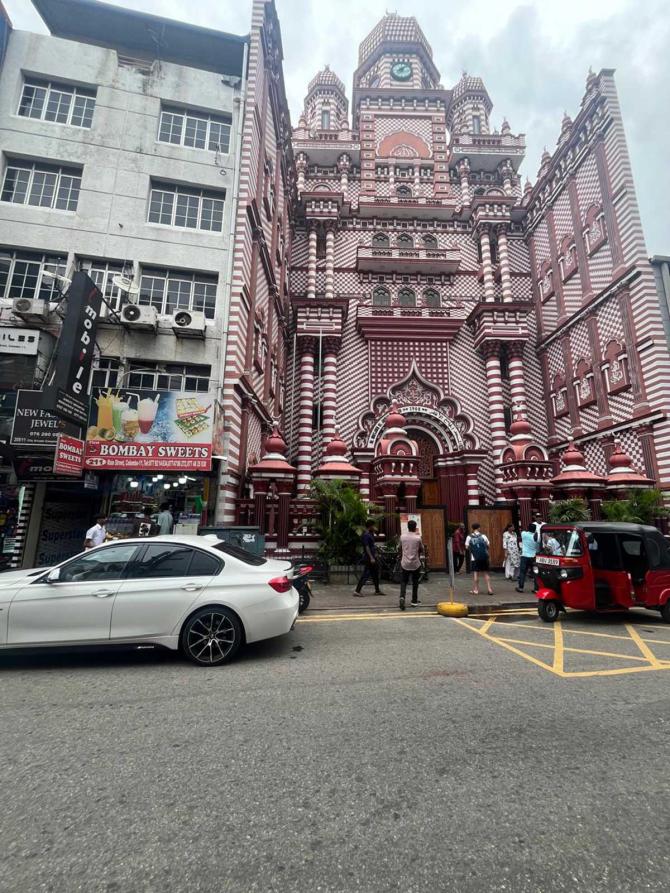
The city bustles with traffic, but it is largely disciplined.
Drivers follow rules. Traffic policemen surprise them with notices of fines if they violate any. There is fear of the law.
Parts of Colombo exude a colonial look with their typical Portuguese or British façades.
There are grand white-pillared mansions with wide verandahs.
Some have become heritage hotels, while many others are being restored to their earlier architectural glory to house government offices.
Food is something tourists love in Sri Lanka, as both vegetarian and non-vegetarian dishes are freshly rustled up quickly.
Fish is a delicacy available everywhere, cooked in different forms -- crabs, prawns, grilled fish, and deep-fried dry fish served with rice and a host of vegetables like beans, brinjals, and salads.
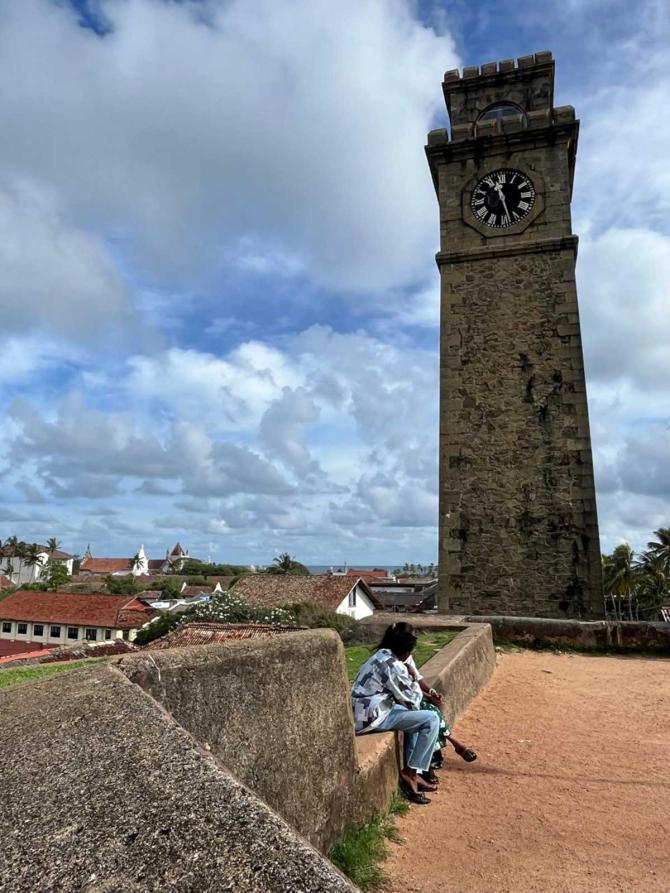
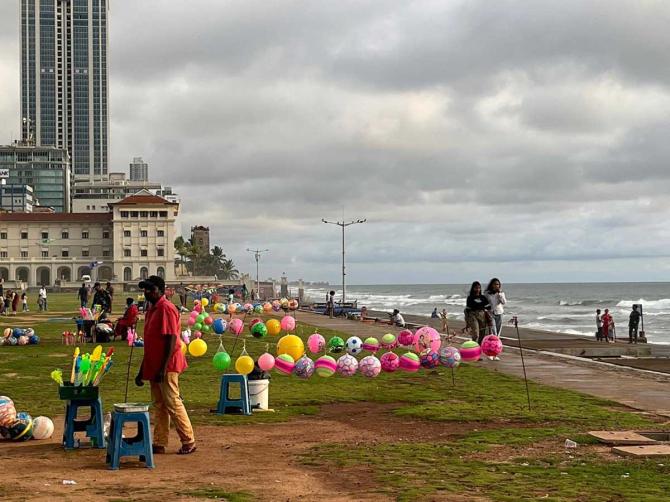
At Galle Face Green, the breeze turns cooler in the evenings as crowds gather to glimpse the pink in the clouds when the sun sets. Children frolic around, flying kites or chasing soap bubbles blown by a vendor selling balloons and plastic toys.
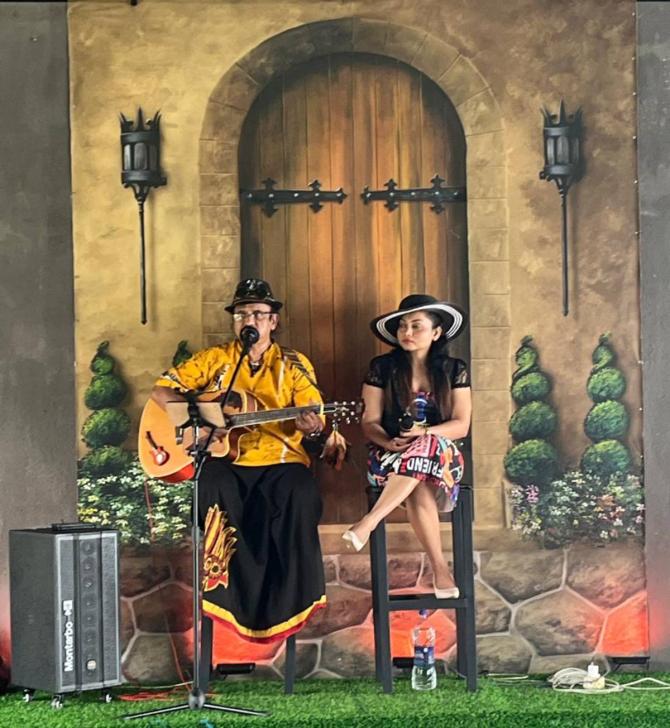
Laughter rings in the air. At one end, a crowd of revellers gathers to listen to a local singer belting out popular Sinhalese songs.
Tourists move around, soaking in the atmosphere and savouring the street food.
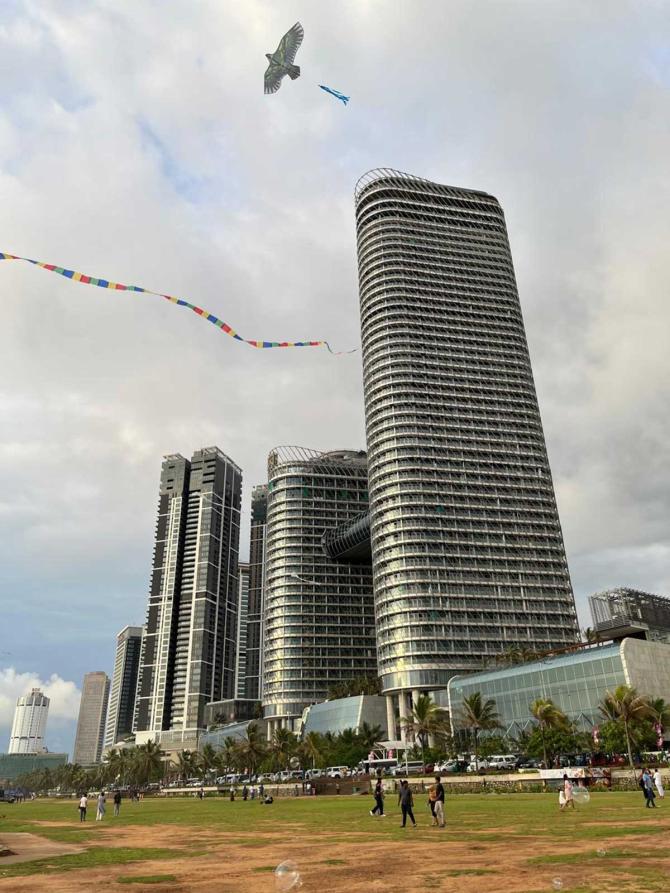
There are numerous high-rises in Fort City, close to the beach, their glass facades catching the last crimson glint of the setting sun.
The skyline glimmers over the sea like a mirage of ambition. Most of them house corporate offices, a sign of a changing Sri Lanka.
You can sense the feel of fervour around these buildings, along with the anxiety the country is going through.
In April 2022, the government declared its first sovereign default.
India was among the first to help with $4 billion in assistance through multiple credit lines, currency support, and essential supplies.
The International Monetary Fund provided a bailout of $2.9 billion, but the concern now is restructuring the economy and servicing the loans.
People remember how the country easily gave in to China's offer to build a huge modern port at Hambantota, costing around $1.4 billion.
When Sri Lanka could not repay the debt, China obtained a controlling equity stake in the port and a 99-year lease to operate it.
Sri Lanka is now working toward a 5 per cent growth rate, but fears of inflation, joblessness, and rising living costs continue to plague minds.
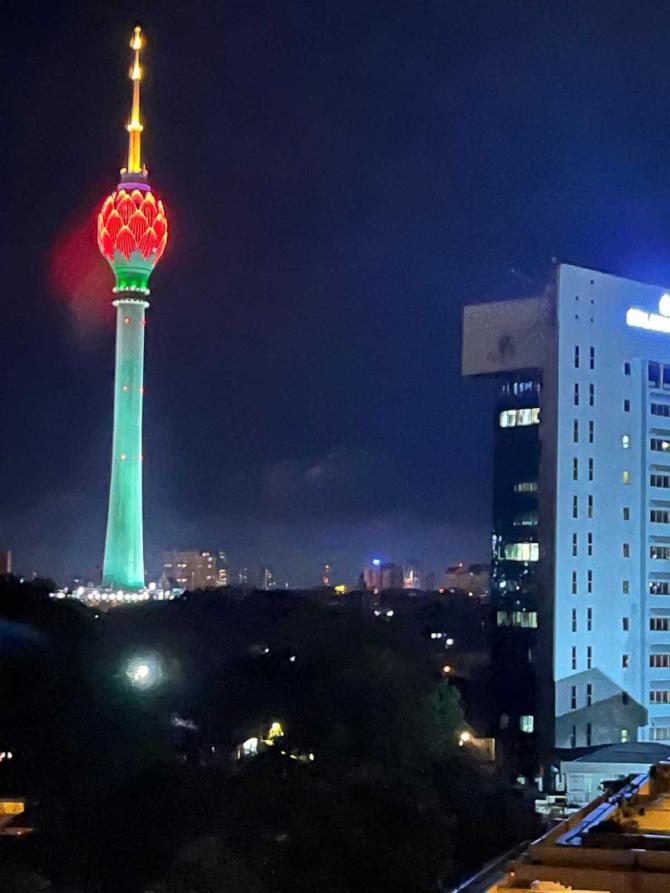
As night falls, restaurants spring to life with their seafood and other non-vegetarian fare.
Sinhalese food is popular with tourists who want to taste the spicy, authentic flavours.
Many eateries have live Western music to cater to the increasing number of tourists.
According to the Sri Lanka Tourism Development Authority, the country hosted 20.5 lakh international tourists in 2024. Most of them were Indians.
Strategic initiatives to attract visitors from key markets like India helped the figures surge by over 35 per cent from the previous year.
It is visa-free for 40 countries, including India.
The hospitality industry is booming, with hotels offering reasonable rates, good food, and well-kept properties.
The only Indian vehicles you see are Bajaj autos in bright colours -- red, green, white, blue, yellow -- giving the streets a vibrant hue.
Occasionally, a TATA or Mahindra vehicle appears, but most cars are from Japan.
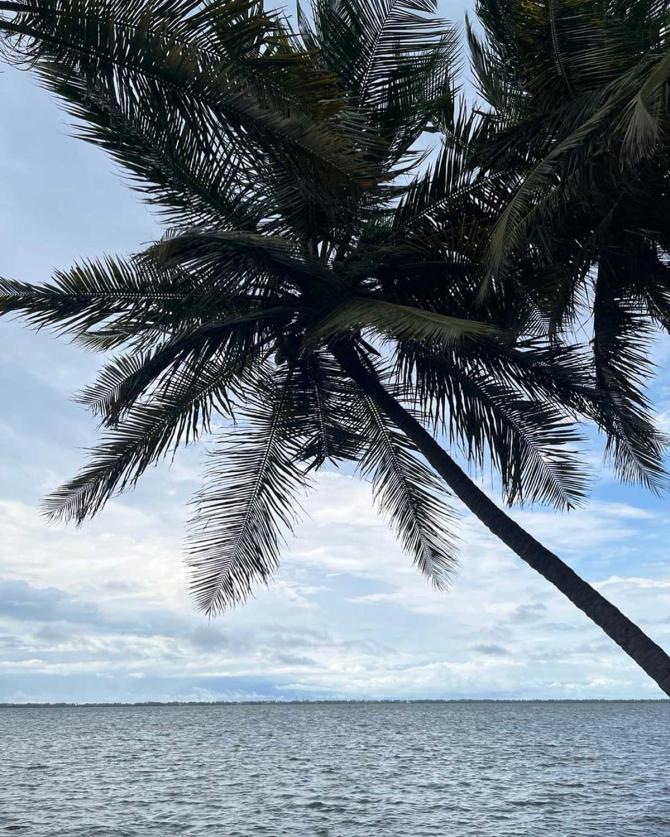
About forty kilometres away from Colombo is the scenic Negombo Lagoon. It radiates peace and the grace of slowness.
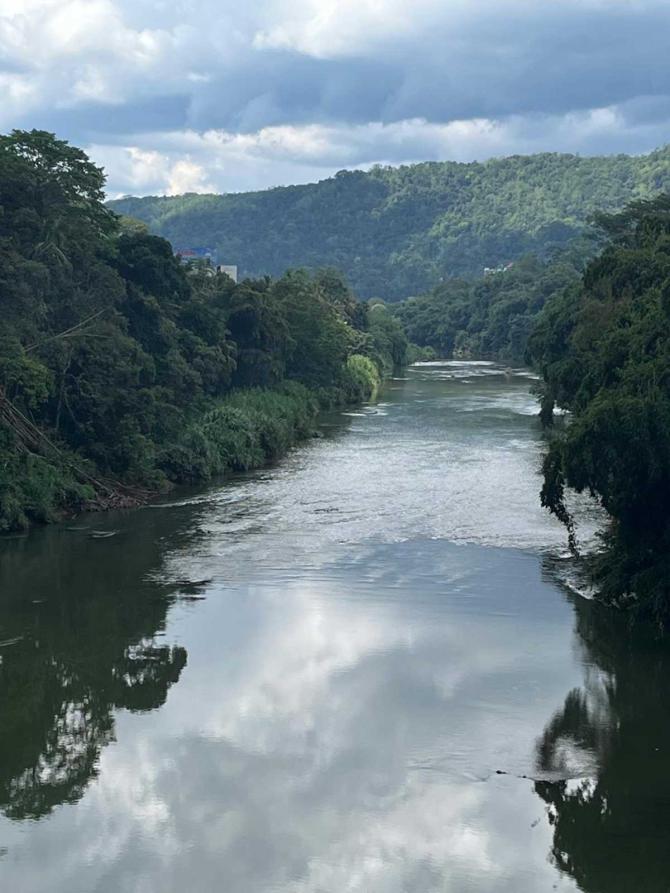
It unfurls like a sheet of silver at the edge of the Indian Ocean. The water is a mix of sweet and salt, fed by both rivers and the sea.
The wind smells of fish and seaweed.
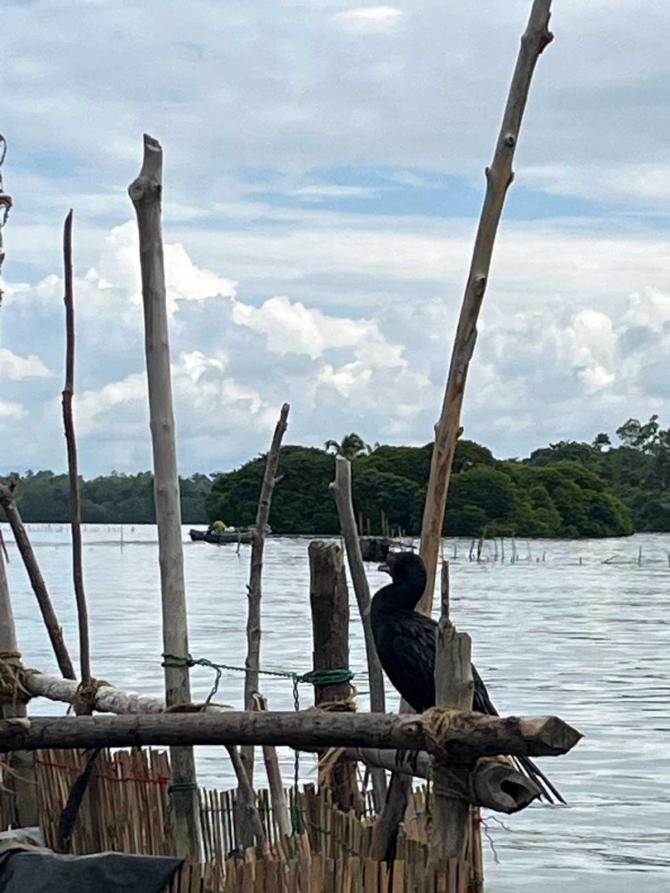
Catamarans with sails glide along, their reflections quivering in the still water.
The fishermen are weathered and quiet, their hands moving with practised grace and precision.
At dawn, the fish market bursts alive with mackerel flashing silver, red crabs, tiger prawns, and more.
Life seems to start at the lagoon and end there.
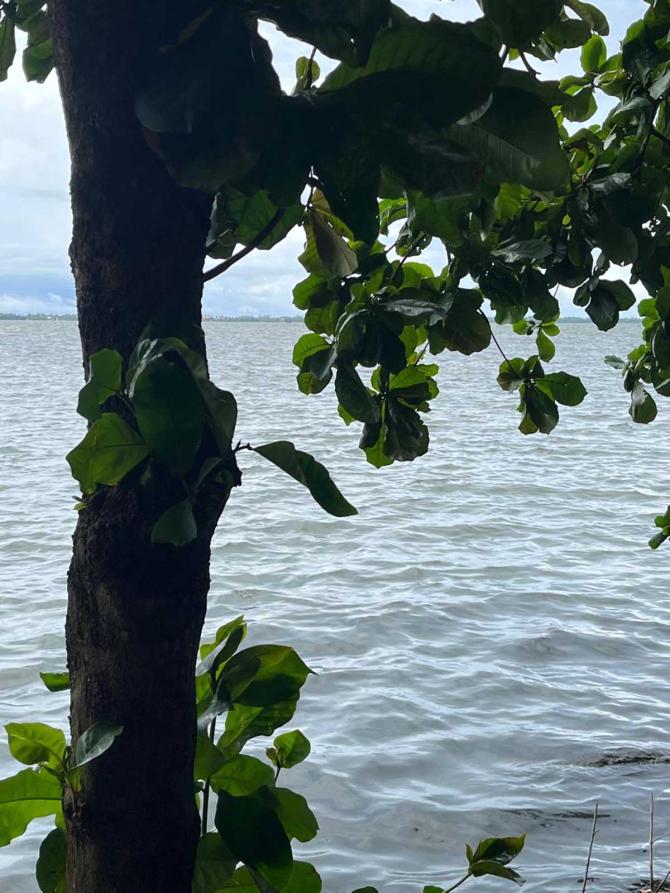
Fishing villages fringe the lagoon. Fishermen wait patiently in their catamarans at first light.
By evening, they bring in enough crabs, prawns, and mackerel to fill noisy fish markets full of life.
Boats glide on the still waters, carrying tourists through thick mangroves that seem to guard the lagoon.
When it is dark, it can be eerie to row through them.
The waters are rich with marine life, apart from monitor lizards, bird lovers will find this ride thrilling as flocks dart lazily through the dusk.
At Kurana, close to the Bandaranaike International Airport, cackling water birds gather at dusk, colours shifting in the sky, drawing strange patterns in the clouds.
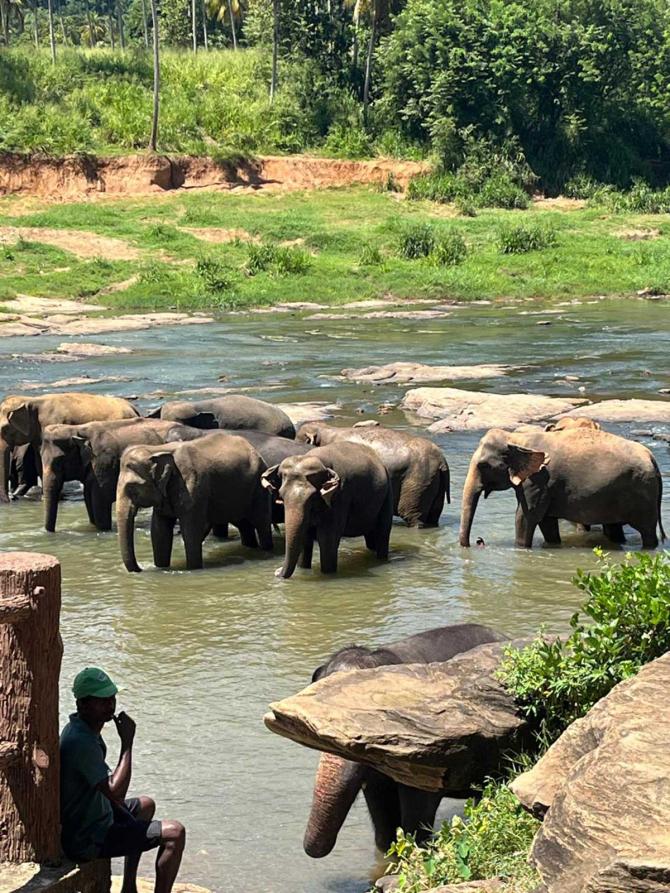
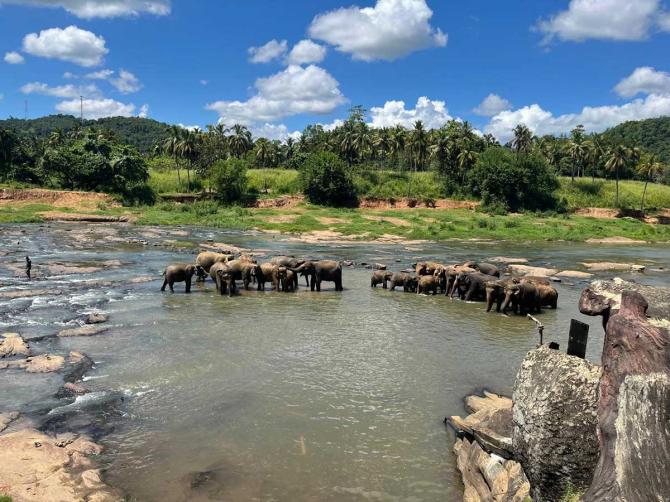
About 90 kilometres from Colombo is the Pinnawala Elephant Orphanage, where captive breeding of wild Asian elephants takes place.
Spread across 25 acres of lush greenery near the Maha Oya River, it began in 1975 with five baby elephants and today houses over 80 adults.
After their feed, the elephants wade into the river to bathe.
Two calves put up a mock fight while adult elephants watch over them.
The water gleams on their dark skin as the sun peeks from behind the clouds.
The orphanage attracts eager Western tourists.
They are allowed to help bathe the elephants for a fee, though many treat it as an Instagram moment rather than a conservation experience.
Critics argue that the place functions more as a commercial venture than a genuine sanctuary, as elephants are often kept in chains.
Stroll into any of Sri Lanka's spice gardens to feel how nature has a medicine for almost every ailment.
The air turns aromatic as you enter and get intoxicated with the oils and potions you are introduced to.
Cinnamon curls in your hand, cardamom pods crack open with a strong aroma that reminds you of culinary delights back home.
Ayurvedic doctors narrate stories about turmeric, basil, nutmeg, clove, pepper, and a host of medicinal plants.
You wonder why chemically laden antibiotics hold so much sway when nature has its own cures.
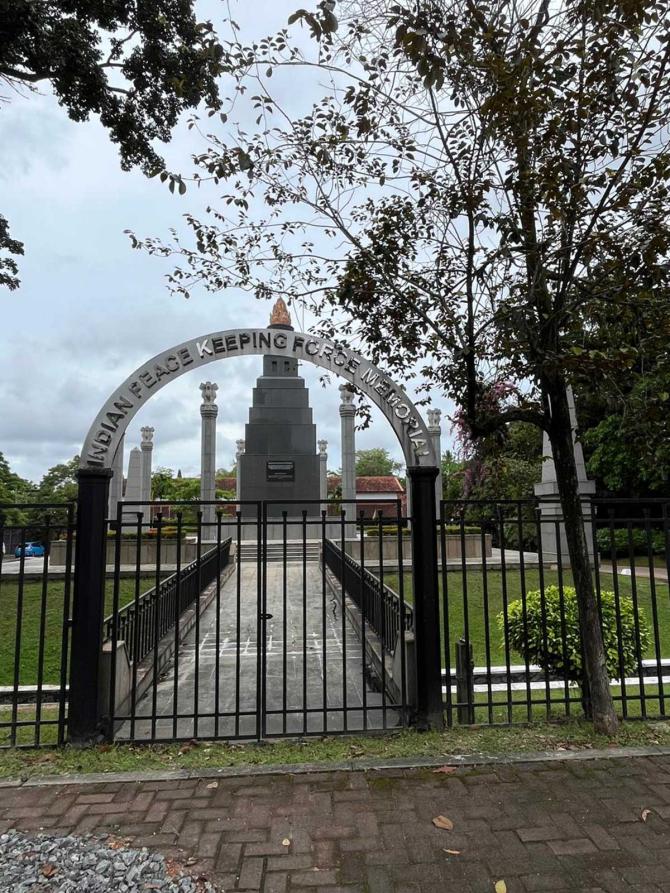
In a world where education and healthcare often come with heavy price tags, Sri Lanka stands out as a rare exception.
Despite its modest economy, this small island nation has built a reputation for prioritising human welfare over wealth.
Its network of free schools, universities, and hospitals is not merely a policy choice but a cultural commitment rooted in decades of social reform.
Education and healthcare are free.
Sri Lanka is a lower-middle-income country, yet it provides free universal education and healthcare -- a legacy of strong social welfare policies introduced soon after independence from British rule.
You are left wondering why India could not have done that, too.
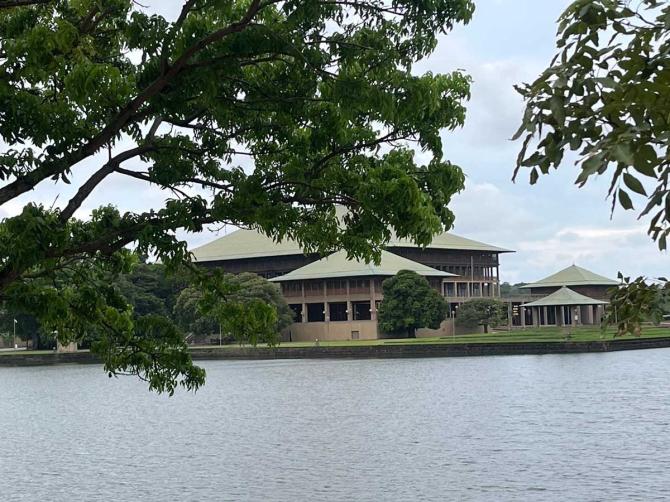
At the heart of this legacy stands the University of Peradeniya, near Kandy.
It is a living symbol of Sri Lanka's belief that knowledge should be accessible to all, not just the privileged few.
Established in 1942, it has over 18,000 students studying without paying a single rupee in tuition. Even school education is free.
Sri Lanka spends around 619 billion Sri Lankan rupees ($1,979, 125,454) every year on subsidising education alone.
Education in the country is a right, not a luxury.
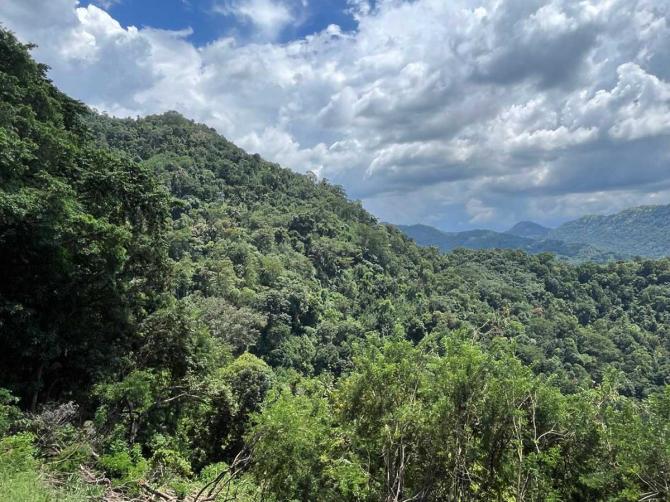
The sprawling campus covers 700 hectares of lush green hills. Looks like a biodiversity park!
Watching students drift along its shaded paths under jacaranda trees, where their conversation mixes with birdsong.
Strolling through the campus, you realise that the value of a mind or a life is not measured by privilege or money, but by possibility.
Today, Sri Lanka's literacy rate stands at an impressive 93.5 per cent, and its life expectancy at 77 years, comparable to much wealthier nations.
It is a year younger than India as an independent country, yet it outperforms us in most human development indices.
Sri Lanka is more literate, healthier, and less burdened by corruption and chaos.
You will hardly see a garbage bin on the street, yet there is no garbage strewn around.
It is about attitude -- and pride in one's country.
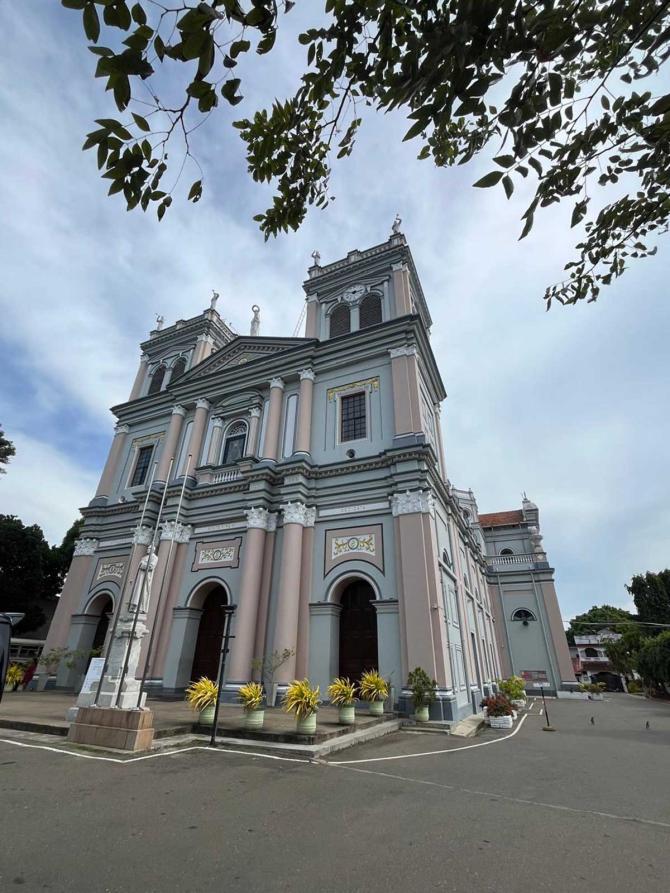
Kandy is a place no tourist wants to skip, for it is the cultural heart of Sri Lanka.
It has an earthy feeling with its misty hills and natural beauty.
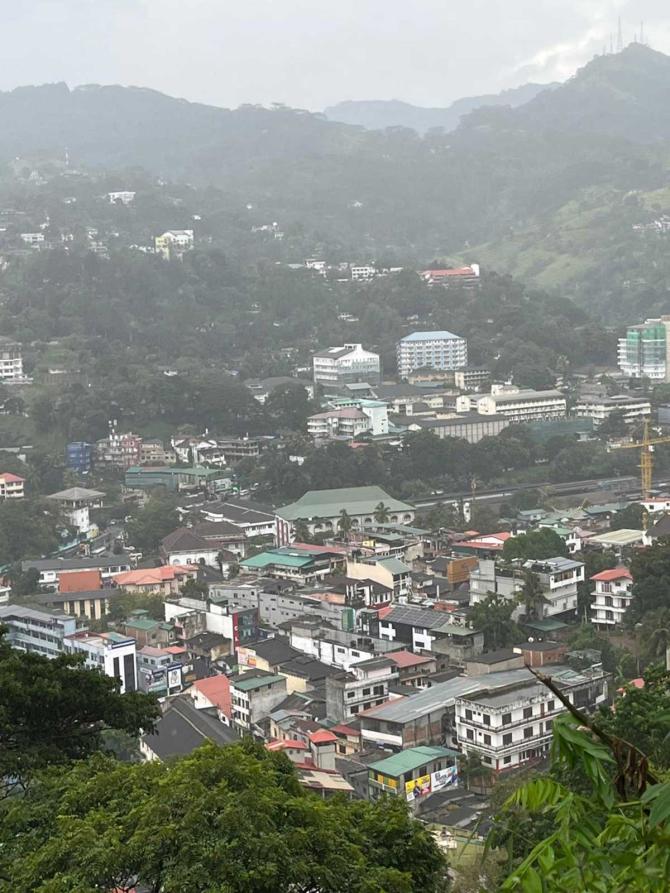
It was the last capital of the Sinhala kings before British rule, and it remains a symbol of Sri Lankan pride and resilience.
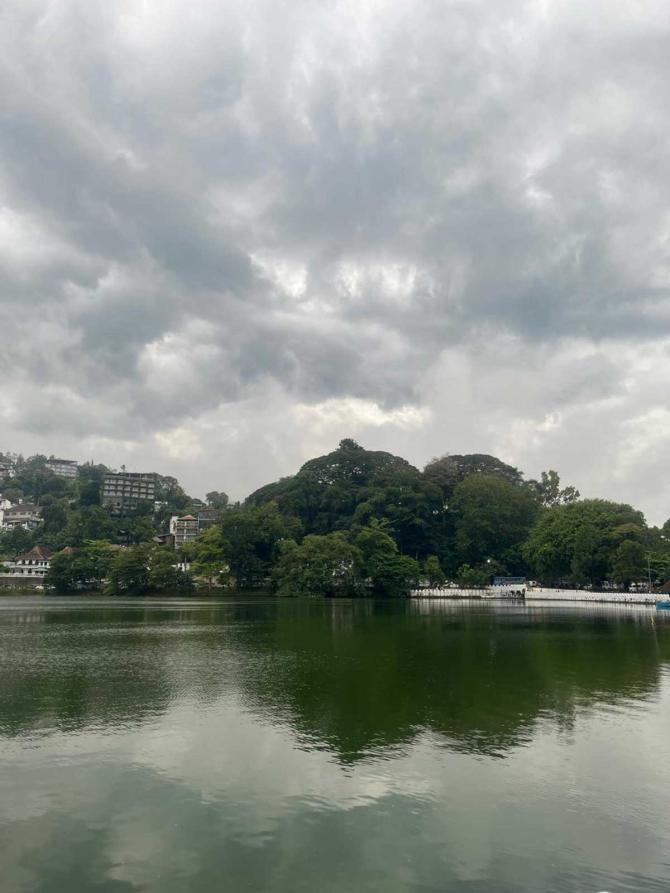
Kandy's beauty is both visual and spiritual--its colonial-era streets and temple bells, where faith, history, and nature come together in gentle harmony.
At its centre glimmers the serene Kandy Lake, built in 1807 by King Sri Wickrama Rajasinghe beside the Temple of the Tooth Relic.
The lake's still waters reflect the white temple walls, palm-fringed paths, and encircling hills, creating a meditative calm.
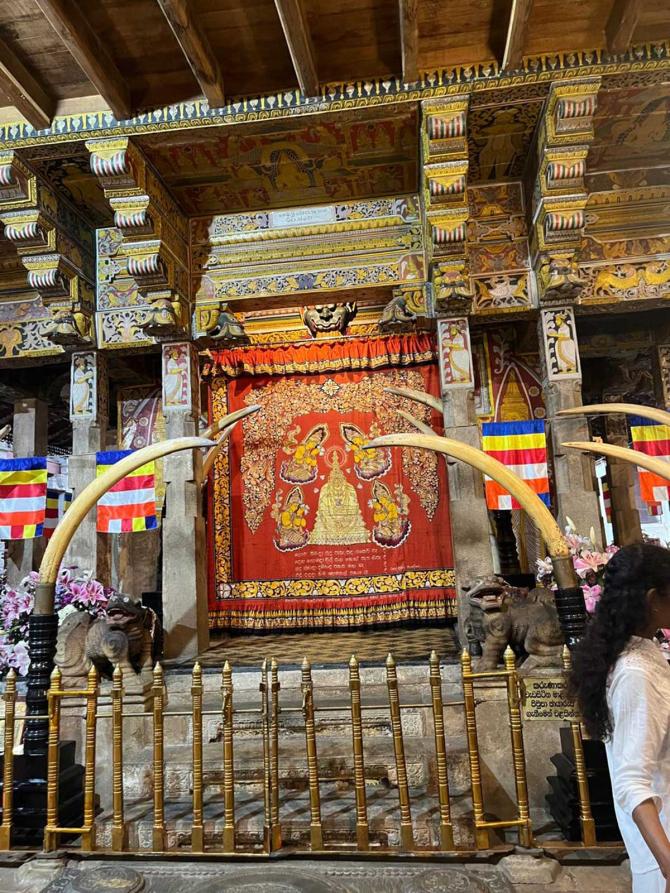
The Temple of the Tooth Relic, Sri Lanka's most sacred Buddhist shrine, stands with white walls, red-tiled roofs, and jasmine garlands filling the air with their fragrance. Lotus flowers lie in abundance as offerings.
Drums beat softly inside, their rhythm rising and falling as devotees chant.
Monks in saffron robes glide silently through the corridors, the flicker of oil lamps lighting their path.
Legends, reverence, and faith reverberate within the bright white walls.
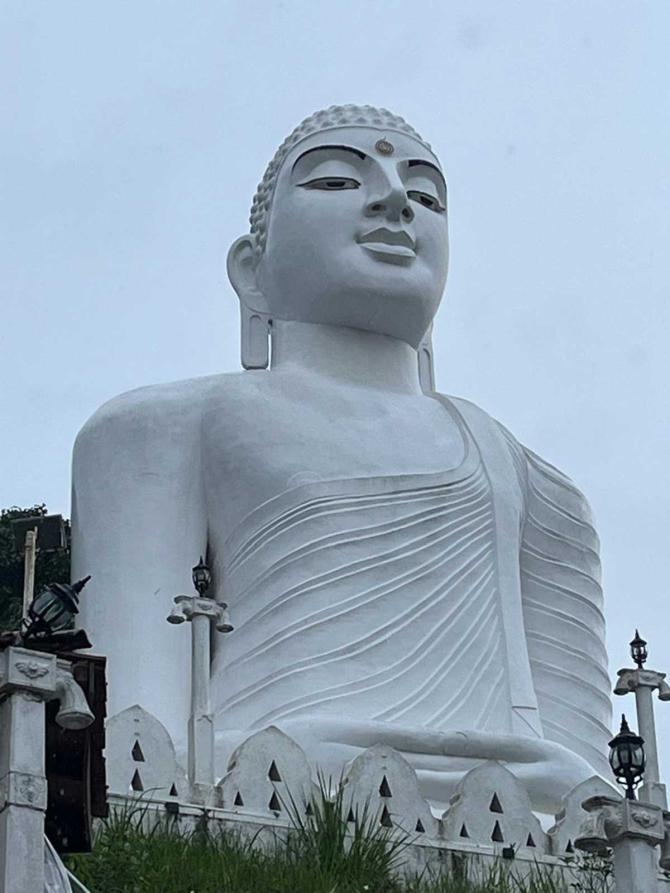
Further south, the beaches in Bentota shimmer in the sunlight.
The sea is a bright blue, and so is the unpolluted sky -- soothing for anyone used to Delhi's grey haze.
Scores of resorts line the coast, catering to tourists who find peace beside swimming pools, tanning themselves, breathing the humid air, or enjoying sudden bursts of rain.
At the Turtle Hatchery in Ahungalla, you realise how scores of turtles are maimed each year by boat propellers and mechanised trawlers.
Many are rescued and nursed back to health, though some cannot be returned to the sea.
Caretakers handle them gently, releasing newborns into the sea.
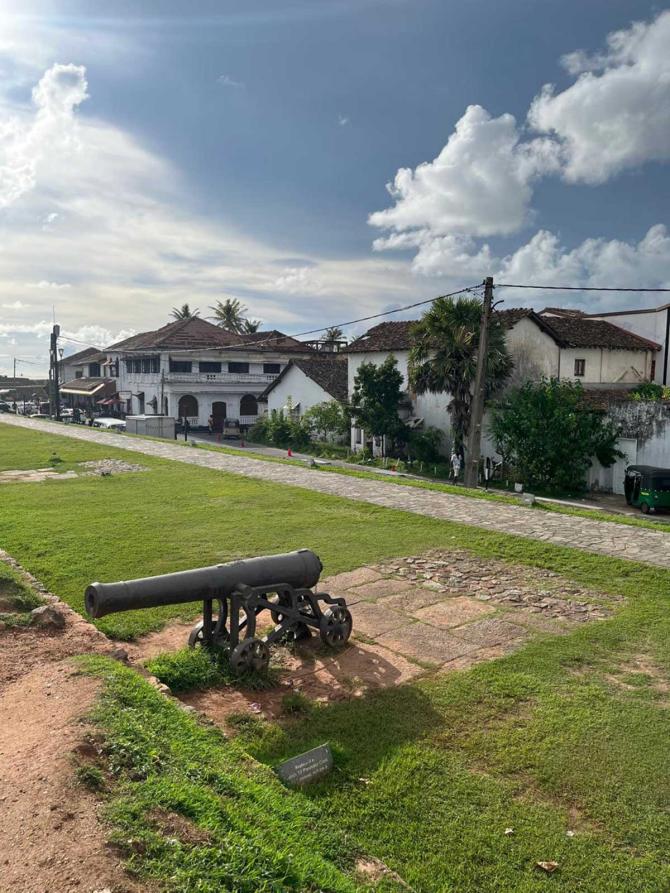
Galle Fort feels suspended in time.
Dutch and Portuguese walls guard narrow cobbled streets where bicycles roll past cafés offering Ceylon tea and passion fruit sorbet.
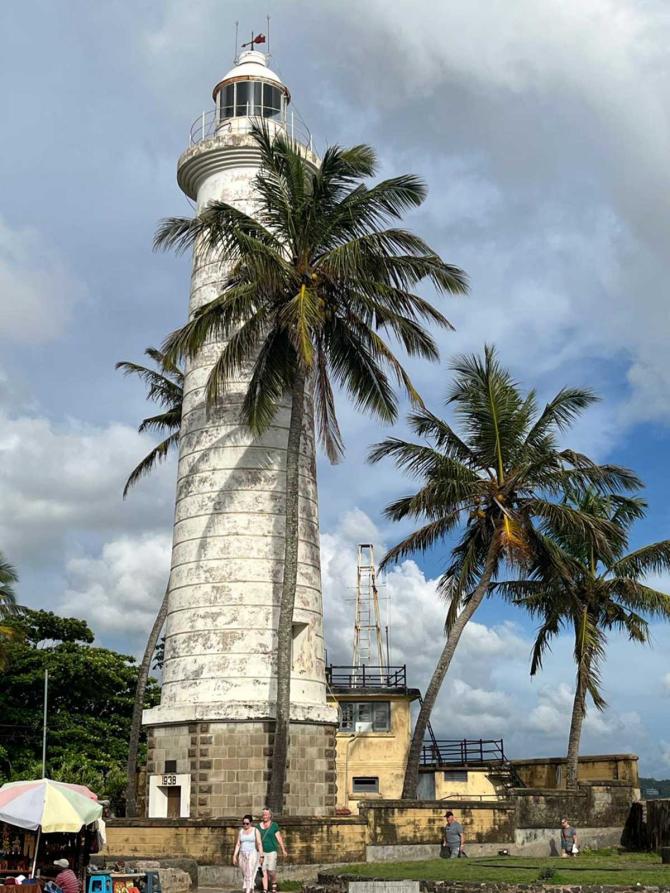
The white lighthouse stands like a sentinel.
At sunset, crowds gather to watch the sky and sea change colour.
Hikkaduwa's beach hums with life -- surfers slicing through waves, tourists sipping lime soda in beach shacks, the air alive with reggae beats and salt.
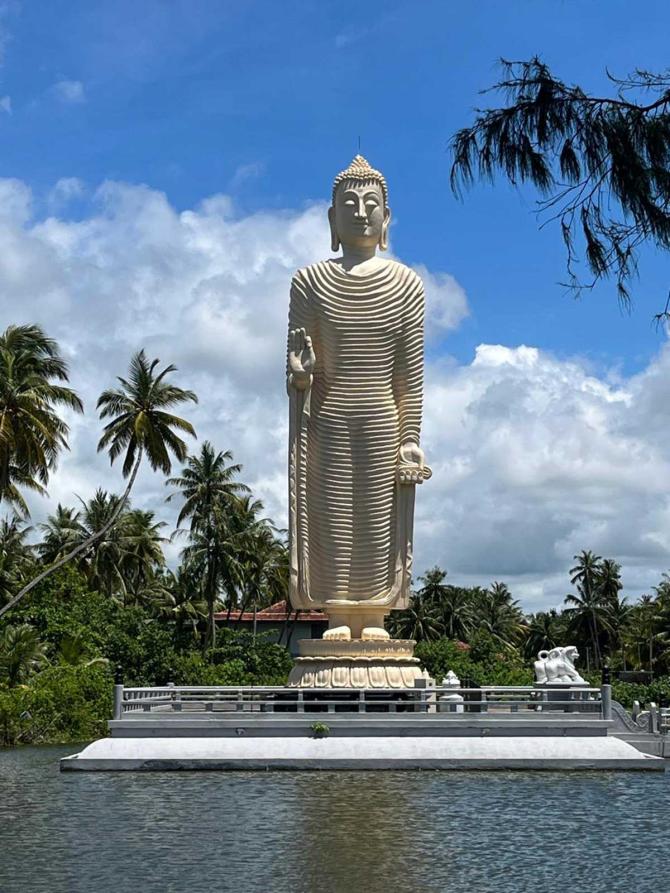
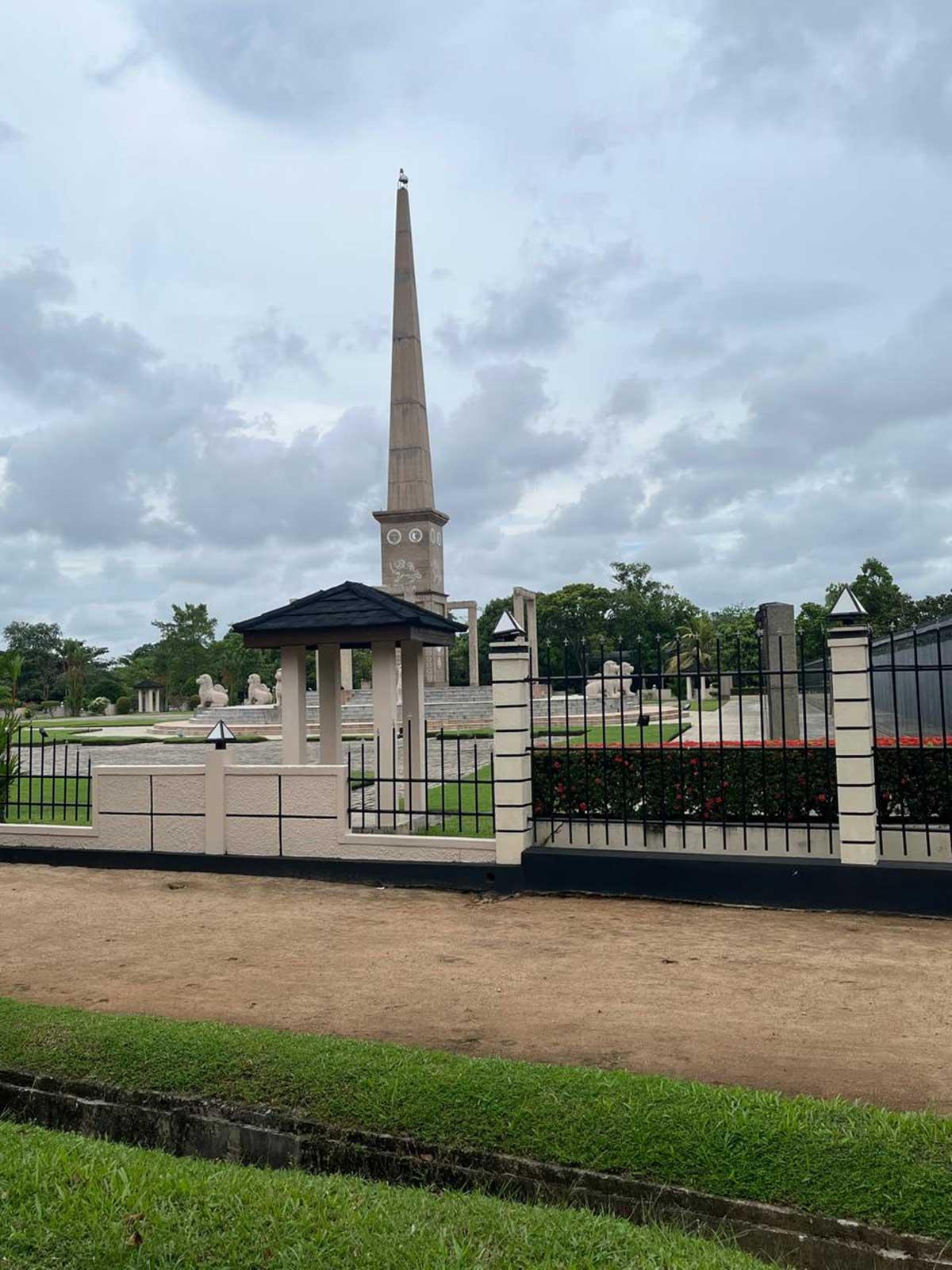
A few kilometres away, the Tsunami Monument stands solemn, a reminder of the over 35,000 lives lost when waves taller than coconut trees struck in 2004.
Over 100,000 households were affected, and the memory still lingers.
As you leave Sri Lanka, the island's rhythms linger long after you have bid it goodbye.
From bustling Colombo to serene Kandy, from sunlit beaches to misty hills, it is a land where nature, history, and humanity coexist with effortless grace.
Pride in a country shows not in monuments alone, but in clean streets, warm smiles, and a quiet commitment to caring for both people and the land.
Sri Lanka stays with you not just in memory, but gently reminds you what a society can achieve when heart and heritage guide the way.
Ramesh Menon is an author, award-winning journalist, educator, documentary filmmaker, and corporate trainer. He authored Modi Demystified: The Making of a Prime Minister.
Feature Presentation: Ashish Narsale/Rediff








 © 2026