
'If a parent was diagnosed at 50, the child should start screenings 5 to 10 years earlier (around 35 to 40).'
'Awareness of family history and age of onset helps catch the disease early.'

For most young adults, cancer feels like a faraway concern, something that belongs to another age group, another stage of life.
Between late nights, processed food, hectic workdays and endless scrolling through health reels, it's easy to assume that nothing you do right now truly matters.
It's just as easy to believe the wrong things: That deodorants cause breast cancer, that sunscreen chemicals are dangerous, that sugar 'feeds' tumours and that sanitisers are risky.
Dr Shiv Mishra sees this confusion every day -- not fear of cancer itself but fear of the wrong things.
A radiation oncologist who completed his MBBS from the Gauhati Medical College and post-graduation from Max Superspeciality Hospital, Vaishali, he now serves as assistant professor at the State Cancer Institute, IGIMS Patna. And while he treats patients across age groups, he believes young people need myth-busting more than they need warnings.
In a conversation with Rediff's Rishika Shah on National Cancer Awareness Day, Dr Mishra breaks down which habits genuinely matter, which fears you can drop immediately and how small, realistic changes in your 20s and 30s quietly build long-term protection without panic.
What are the biggest lifestyle habits young people have today that could unknowingly increase cancer risk?
The most neglected factor is a sedentary lifestyle -- long desk jobs, no exercise and poor BMI maintenance.
Another major myth is that vaping is safer than smoking, which is completely false.
High intake of processed foods, smoking joints and lack of physical activity all contribute to a higher risk of cancer.
Does poor sleep affect cancer risk?
Sleep affects overall body regulation.
Sleeping late disturbs the melatonin level and the circadian rhythm, putting the body under prolonged stress and reducing time for cellular recovery.
While this hasn't been proven by level-one evidence, long-term oxidative stress could impact cellular health.
However, it affects mental health more than directly causing cancer.
There's this idea that 'if you eat clean and work out, you're safe'. Is that true or an oversimplification?
That's an oversimplification.
While healthy habits help, around 70 to 80 per cent of cancers are not preventable as they stem from genetic or molecular causes.
Only some, like oral or cervical cancers, are preventable through avoiding tobacco, maintaining menstrual hygiene and regular check-ups.
Diet and exercise are important but they can't completely eliminate the risk of cancer.
How much do factors like late-night screen time, lack of sleep or chronic stress really affect your cancer risk?
There's no clear scientific correlation.
These habits disturb the circadian rhythm and may affect metabolism and mental health but there's no strong phase-three evidence linking them directly to cancer.
What about body care habits -- do we underestimate how much skincare, deodorants or nail products might impact long-term health?
No, there's no proven link.
Most claims on social media lack scientific backing and are based on animal studies which can't be directly applied to humans.
Unless a product is contaminated, it's not carcinogenic.
Social media often promotes fear-mongering for marketing purposes.
The only product proven to cause cancer is tobacco, not sunscreen or deodorant.
In your opinion, what's the one under-rated daily habit that can genuinely lower cancer risk?
Avoiding a sedentary lifestyle.
Obesity is linked to 13 to 14 types of cancers, including breast, endometrial, colon and prostate.
In women, fat cells produce estrogen which increases cancer risk.
A 30-minute brisk walk daily can help both heart health and cancer prevention.
Even small changes like taking the stairs and walking around in the office matter.
A lot of young people are into supplements and powders -- can any of these backfire or interfere with the body's natural defences?
The supplements themselves usually don't cause harm but contaminants like heavy metals (found in some brands) can damage the liver and kidneys.
There have even been cases of young gym-goers developing serious issues like brain haemorrhages due to contaminated creatine or protein powders.
Always check ingredients -- sometimes they are listed in coded form.
You can search the chemical names on the WHO Web site or simply use AI tools to check if they are carcinogenic.
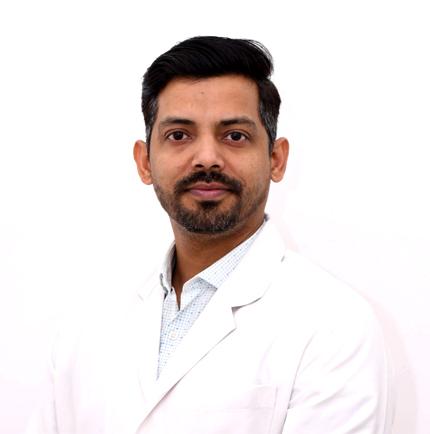 IMAGE: Dr Shiv Mishra. Photograph: Kind courtesy Dr Shiv Mishra
How important is early screening or annual checkups even when you feel perfectly healthy in your 20s and 30s?
At 20, you don't need to worry much about cancer unless there's a family history.
Routine blood tests once a year and a chest X-ray if you have symptoms are enough.
Screenings like mammography start around 35 years for women and prostate screening after 60 for men.
The key is to know what's normal in your body so that you can detect changes early.
We often hear that genes play a role. If someone has a family history, what can they start doing differently right now?
Not all cancers are genetic.
For example, breast and colorectal cancers can run in families but cervical or head and neck cancers are not hereditary.
If a parent was diagnosed at 50, the child should start screenings 5 to 10 years earlier (around 35 to 40).
Awareness of family history and age of onset helps catch disease early.
If you could design the ideal day for a 25 year old -- from breakfast to bedtime -- what would that look like?
Sleep at least eight hours.
Walk or exercise for 30 minutes.
Never skip breakfast and avoid heavy meals. Eat smaller, frequent meals with more fibre and antioxidants (like amla, tomato and carrot).
Stick to natural antioxidants, not pills.
Avoid processed foods and smoking.
Cancer can't be 100 per cent prevented but healthy routines greatly reduce the risk.
Do sanitisers or disinfectants actually cause cancer with long-term use?
No.
Alcohol-based sanitisers are safe. Problems only arise if they are expired or contaminated.
Expired batches or poor storage can cause skin irritation, not cancer.
No study has proven a link between sanitisers and cancer.
Many people say sunscreen prevents skin cancer but others worry about the chemicals in it. What's the truth?
Sunscreen protects against harmful UV rays and helps prevent skin damage.
It doesn't cause cancer unless contaminated with parabens or mercury -- otherwise, it's safe and beneficial.
Always choose paraben-free sunscreen.
Do deodorants and antiperspirants cause breast cancer or is that a myth that refuses to die?
Breast cancer is hormonal, not caused by external products.
It results from estrogen exposure -- longer exposure (early puberty, late menopause, obesity) increases risk.
Deodorants or external chemicals can cause skin infections, not cancer.
Can using non-stick cookware, microwaving food in plastic or drinking from plastic bottles increase risk?
Long-term, these can harm the body due to microplastics but a direct link to cancer hasn't been proven.
Plastics are considered potential carcinogens by the WHO.
They can accumulate in the body and affect the immune and digestive systems, so it’s best to limit exposure.
Does hormonal birth control increase the risk of cancer?
Uncontrolled use can increase risk slightly.
The doctor-prescribed doses are safe but self-medicating or taking pills over the counter disrupts hormonal balance and can cause abnormal cell growth.
Always take contraceptives under medical supervision.
Some people say sugar 'feeds cancer'. Should young people cut out all sugar?
That's a myth.
Sugar is the primary energy source for all cells, not just cancer cells.
Cutting sugar won't prevent or cure cancer -- cancer cells can use fat or protein for energy too.
Limiting sugar is good for overall health and diabetes prevention but it doesn't 'starve' cancer cells.
How about red meat, dairy or processed food -- are they genuinely cancer triggers or just overhyped?
Red meat is proven to increase risk of colon and colorectal cancer. Limit intake.
Dairy has no direct link to cancer. Only unpasteurised dairy causes infections.
Processed foods are not directly carcinogenic but preservatives and chemicals harm the gut microbiome which can indirectly affect the digestive system and overall immunity.
We hear influencers talk about 'detox teas' or 'alkaline diets' that prevent cancer -- is there any medical truth to these trends?
No medical truth at all. These are marketing gimmicks.
The body naturally maintains its pH balance through the liver and kidneys.
Cancer isn't something that can be 'washed out' or 'alkalinised'.
Social media is flooded with non-doctors giving health advice without evidence and such misinformation can be harmful.
I would simply stress on one statement: If someone online isn't a qualified doctor, don't follow their health advice.
What are some everyday myths you wish people would stop believing when it comes to cancer prevention?
One that is often heard is 'biopsy spreads cancer' -- completely false; it's crucial for diagnosis.
Another is, 'cancer is hereditary in every case' -- wrong; only a few types run in families.
Also 'cancer is contagious' -- absolutely false; you can't 'catch' cancer from someone.
These myths and stigma often delay diagnosis and worsen outcomes.
Finally, what's your message for young people who think cancer prevention is something they can worry about later?
Start early by understanding your body -- know what is normal and what's not.
Get basic annual check-ups (CBC, LFT, RFT), not just for cancer but for overall health.
Don't fear cancer, be informed about it. Awareness and early action make all the difference.
Cancer is not something to panic about, but something to understand responsibly.
Simple, consistent lifestyle choices like staying active, eating clean, avoiding tobacco and managing stress go a long way when it comes to prevention.











 © 2025