

As Prime Minister Narendra Modi urges Indians to travel less, rising fuel prices are already changing driving habits.
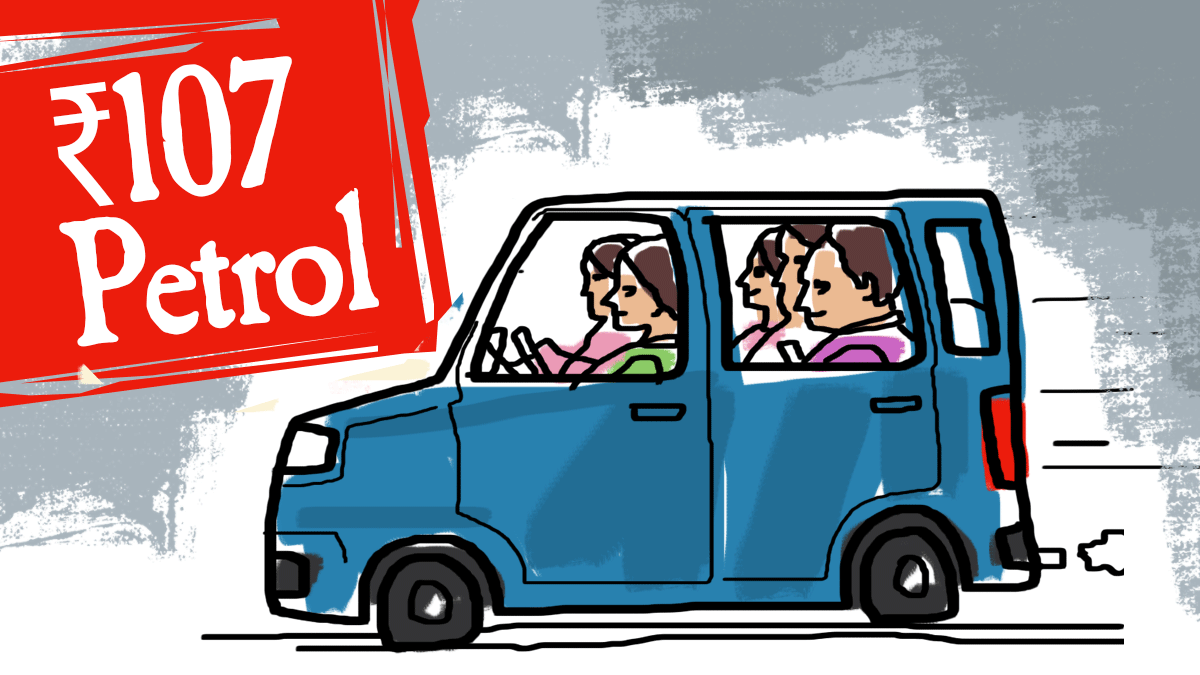
Prime Minister Narendra Modi's remarks urging citizens to reduce unnecessary travel, conserve fuel and become more mindful of energy consumption reflect a growing reality for millions of Indian households: Driving is becoming increasingly expensive.
Fuel prices play a major role in determining the cost of driving in India. In many major cities today, petrol prices generally range between Rs 94 and Rs 107 per litre, depending on the location.
Since transportation accounts for around 95% of petrol consumption in the country, fuel price changes directly affect how people use their vehicles.
As fuel becomes more expensive, many Indian car owners are gradually adjusting their driving habits, car insurance coverage and transportation choices to manage daily expenses more efficiently.
Why Petrol Prices Continue to Rise in India?
Petrol prices in India have seen steady upward pressure in recent years due to global crude oil fluctuations, currency movements and domestic taxes.
Inflation and geopolitical developments affecting global energy supply have also contributed to price volatility. As a result, fuel costs remain a significant concern for households that rely on daily commuting by car.
These rising prices are prompting many drivers to rethink how often and how efficiently they use their vehicles.
How Rising Fuel Prices Are Influencing Car Usage
As fuel prices increase, many car owners are becoming more conscious about how they use their vehicles. Higher running costs are encouraging people to rethink their driving habits, travel frequency and even their choice of vehicles.
From reducing unnecessary trips to adopting fuel-efficient driving practices, several changes in behaviour are gradually becoming more common among car users in India.
1. People Are Driving Less Frequently
One noticeable change is that many car owners are reducing unnecessary trips. Instead of using their cars for short distances such as grocery shopping or errands nearby, people are choosing to walk, use public transport or combine multiple tasks into one trip.
This shift helps reduce overall fuel consumption and lowers monthly transportation expenses.
2. Increased Interest in Fuel-Efficient Cars
Rising fuel prices are also influencing buying decisions. Many buyers now prioritise vehicles with better mileage when purchasing a new car. Cars that deliver higher fuel efficiency help reduce the cost per kilometre, making them more attractive to cost-conscious drivers.
For example, even a small difference in mileage can significantly reduce fuel spending over time.
3. More People Are Considering Alternative Fuel Options
Another noticeable trend is the growing interest in vehicles that use alternative fuels. CNG cars, hybrid vehicles and electric vehicles are becoming more appealing because they offer lower running costs compared to petrol cars.
For instance, studies show that running a petrol car for around 1,000 km per month may cost Rs 6,500-Rs 7,500 in fuel, whereas electric vehicles can cost significantly less to operate.
4. Carpooling and Shared Travel Are Becoming More Common
To reduce fuel expenses, many people are also adopting shared travel habits. Carpooling with colleagues, sharing rides with friends or using ride-sharing services allows individuals to split fuel costs while still enjoying the convenience of travelling by car.
This approach is especially common among commuters who travel long distances daily.
5. Better Driving Habits to Save Fuel
Drivers are also becoming more mindful of their driving habits. Smooth acceleration, maintaining steady speeds and avoiding unnecessary idling can improve fuel efficiency.
These small behavioural changes can help drivers get more kilometres out of every litre of fuel, reducing the overall cost of using a car.
6. Increased Awareness of Total Car Ownership Costs
Higher fuel prices are also encouraging people to look more closely at the overall cost of owning a car. Apart from fuel, expenses such as servicing, parking and car insurance premiums contribute to the total cost of vehicle ownership.
As a result, many car owners are planning their budgets more carefully and using their vehicles more efficiently.
Rising fuel prices are gradually changing how Indians use their cars. From driving less frequently to choosing more fuel-efficient vehicles and adopting smarter driving habits, many people are adjusting their behaviour to manage transportation costs.
While fuel prices may continue to fluctuate, understanding the total cost of car ownership can help drivers make better financial decisions.
Coverfox is an insurance broker, redefining insurtech industry by bridging the insurance gap and enabling insurance distribution to the last mile.
Disclaimer: The information in this article is for general informational purposes only. Readers should verify vehicle specifications, regulations, and insurance details from official sources before making any decisions.






 © 2026