

Taarika Dave, holistic life coach and yoga expert at Luke Coutinho Holistic Healing Systems, explains how you can improve your breathing using a few simple steps.
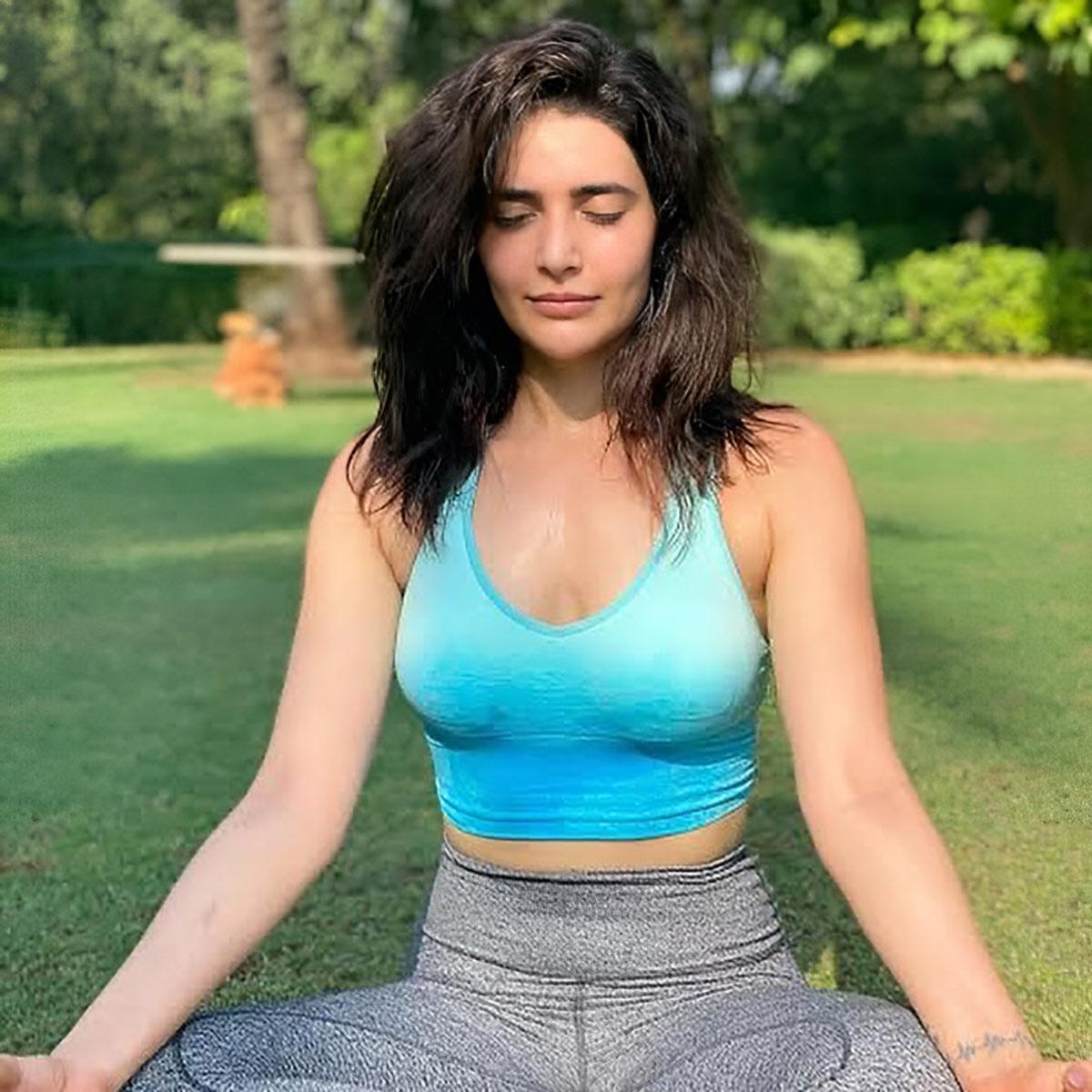
Most of us breathe without thinking. It's the one thing we do every moment of our lives but often without awareness.
Just because breathing is automatic doesn't mean we're doing it effectively.
In fact, most of us go through life with shallow, irregular breaths that barely engage our full lung capacity.
As someone who's worked deeply with yogic breathwork for patients with chronic lifestyle diseases, I can say this with confidence: Your breath is one of the most powerful tools you have to regulate your nervous system, hormones, energy levels, inflammation, emotions and even your immunity.
And the best part? It's completely free. It's with you wherever you go. All it takes is a few minutes of awareness and the willingness to begin.
If you're a beginner, here are 10 simple yet powerful tips to help you build an effective, safe, and life-changing breathing practice.
1. Start with belly breathing (Balloon breath)
The foundation of all breathwork is diaphragmatic breathing, also called belly breathing.
How to do it
- Sit or lie down comfortably.
- As you inhale through your nose, allow your belly to expand outward like a balloon.
- As you exhale, gently let the belly fall back in.
Think of how a balloon behaves when air enters and exits. It expands and then deflates.
Mimic that with your body. This helps engage the diaphragm and initiates the right way to breathe deeply.
2. Check your posture
Breath and posture go hand in hand. If you slouch, your lungs don't have enough room to expand.
How to do it
Sit tall, lengthen your spine and gently roll your shoulders back.
This simple shift opens up your chest and allows your breath to flow more freely.
3. Begin with a 1:1 ratio, then progress
How to do it
- An easy place to start is by inhaling and exhaling for the same count -- say, 4 seconds in and 4 seconds out.
- Once that feels comfortable, try gently extending your exhale.
- A 1:2 ratio -- like 4 counts in and 8 counts out -- helps stimulate the parasympathetic (rest and digest) nervous system, creating a deep sense of calm and regulation in the body. A breath of 1:2 is a perfect yogic breath.
4. Practise dirgha pranayama (Three-part yogic breath)
This classical yogic breath technique helps you utilise the full capacity of your lungs.
How to do it
- First, inhale into the belly.
- Next, expand through the ribs.
- Finally, let the breath rise into the chest.
- Exhale in reverse: chest softens, ribs contract, belly falls. This wave-like motion encourages conscious, full-body breathing and helps release tension stored across different areas of the torso.
5. Try coherent breathing
Coherent breathing is a scientifically validated technique where you breathe at a rhythm of 5 to 6 breaths per minute -- usually 5 seconds in and 5 seconds out.
This rhythm brings your heart breath, and brainwaves into harmony. It's known to reduce anxiety, improve focus and bring emotional balance.
6. Use the sensations of breath to anchor your mind
If your mind tends to wander during breathwork, tune in to what the breath feels like. This is a mindfulness technique known as Prandharana.
Feel the coolness of air as you inhale and the warmth as you exhale. This sensory focus helps ground your awareness and gently brings you back when your attention drifts.
7. Explore rhythmic breathing techniques
Once you're comfortable with basic breath awareness, you can explore rhythmic techniques like:
- Box breathing (Inhale 4 -- Hold 4 -- Exhale 4 -- Hold 4)
- 4-7-8 breathing (Inhale 4 -- Hold 7 -- Exhale 8)
These help regulate stress responses, improve sleep and build resilience in high-pressure situations.
8. Listen to your body and modify if needed
If you have certain health conditions like unmanaged hypertension, heart issues or chronic anxiety, avoid breath holds or forceful practices. Stick to soft, slow breathing.
Similarly, if you feel hot, anxious or overstimulated, avoid rapid techniques like Kapalabhati. Instead, focus on cooling, calming practices like belly breathing or left-nostril breathing. The breath should support your healing, not strain it.
9. Understand the role of breath in healing
Your breath is the fastest way to shift your nervous system from fight-or-flight (sympathetic) to rest-and-digest (parasympathetic).
When you are in parasympathetic mode, your body begins to heal, digest, detoxify and regenerate.
Breathing is never a replacement for any medicine or prescribed drug, but even the best medication or supplements best when your body is in the right state. Your breath is the switch that sets that healing mode in motion.
10. Start with just one breath
You don't need a 30-minute breathwork session to benefit. In fact, science shows that even a single conscious breath can make a difference.
That one deep, slow nasal breath begins producing nitric oxide, a molecule that improves blood flow, enhances oxygen delivery and supports your immune system. It also calms your mind and sends a signal to your nervous system to relax.
So, start small. One breath. Then maybe two. Then a few rounds.
Over time, these small windows of awareness can turn into a steady, nourishing daily ritual.
Breathwork doesn't require a lot of time. It needs just your attention and your willingness to begin.
Breathing is our most vital, most accessible, and most overlooked health tool. Whether you're dealing with stress, fatigue, anxiety or simply want to feel more present and connected, your breath is the place to begin.
So, pause, sit tall and take a slow, deep breath in. Feel your belly rise. Exhale gently and feel it fall. That's it. That's how you begin.
Disclaimer: All content and media herein is written and published online for informational purposes only. It is not a substitute for professional medical advice. It should not be relied on as your only source for advice.
Please always seek the guidance of your doctor or a qualified health professional with any questions you may have regarding your health or a medical condition. Do not ever disregard the advice of a medical professional, or delay in seeking it because of something you have read herein.
If you believe you may have a medical or mental health emergency, please call your doctor, go to the nearest hospital, or call emergency services or emergency helplines immediately. If you choose to rely on any information provided herein, you do so solely at your own risk.
Opinions expressed herein cannot necessarily provide advice to fit the exact specifics of the issues of the person requesting advice.









 © 2026