

Makar Sankranti is one of the year's first festivals of India.
The country joyfully kicks off the year with a tapestry of colours and traditions: Gujarat's soaring kites. Assam's dancing to the gogono. Tamil Nadu's bubbly Pongal....

Punjab
Chilly, chilly winter nights are warmed up by Lohri fires. Folks turn up colourful traditional clothes to dance the giddha to the accompaniment of boliyan (festival-related songs) around the bonfires and it's a toast to community spirit.

Maharashtra
Tilgul sweets and Puran Polis sweeten the day in Maharashtra. Colourful kite-flying under winter skies was once more common than it is today. Haldi-kumkum gatherings honour friendship and prosperity.

Gujarat
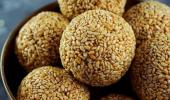
The rainbow shades of the kites bobbing in the air above in Gujarat for Uttarayan makes for a spectacular canvas. Thousands gather along Ahmedabad's Sabarmati riverfront to celebrate. Laddoos and Soan Papdi are the order of the day.

Rajasthan
The festival coincides with Bikaner's International Camel Festival. Folk dancers, music and desert traditions bring the harvest celebration vividly to life.

Tamil Nadu
Pongal is an occasion to give thanks for the harvest. And to Nature and the sun. Boiling fresh rice in decorated pots and gleefully watching it overflow is a symbol of prosperity and good fortune.

Andhra Pradesh
Traditional prayers, customs relating to honouring cows and thanksgiving happen in Andhra Pradesh.

Karnataka
Cow worship is an important part of Suggi Sankranti in Karnataka. So is peanut or til laddoos, Huggi (sweet pongal), Holige (a Kannada version of Puran Poli). And temple visits and melas.

Kerala
Makaravilakku is an annual ritual where a holy lamp is lit at Ponnambalamedu, the summit of the hills near Sabarimala, which coincides with Makar Sankranti celebrations in the rest of the country and attracts thousands of pilgrims.

Assam
Magh Bihu is about feasts, fires, fishing, buffalo fighting and dancing. The rhythmic sound of the gogona, a bamboo instrument played by dancers, is the sound of Bihu in Assam.

Bihar and Jharkhand
Called Khichdi Parv and as its name suggests, it is a day when bowls of steaming khichdi and yoghurt with puffed rice (Dahi Chura) are offered to the gods and shared with the family.

Odisha
Makar Sankranti is observed with rituals of purity (like river bathing) and devotion.

West Bengal
Poush Sankranti is unimaginable without plates brimming with Patishaptas (date jaggery filled ricepancakes). And ritual bathing. Throngs arrive at Gangasagar, and immerse themselves at the Ganges' meeting with the Bay of Bengal, seeking purification and blessings for the year ahead.





 © 2026