

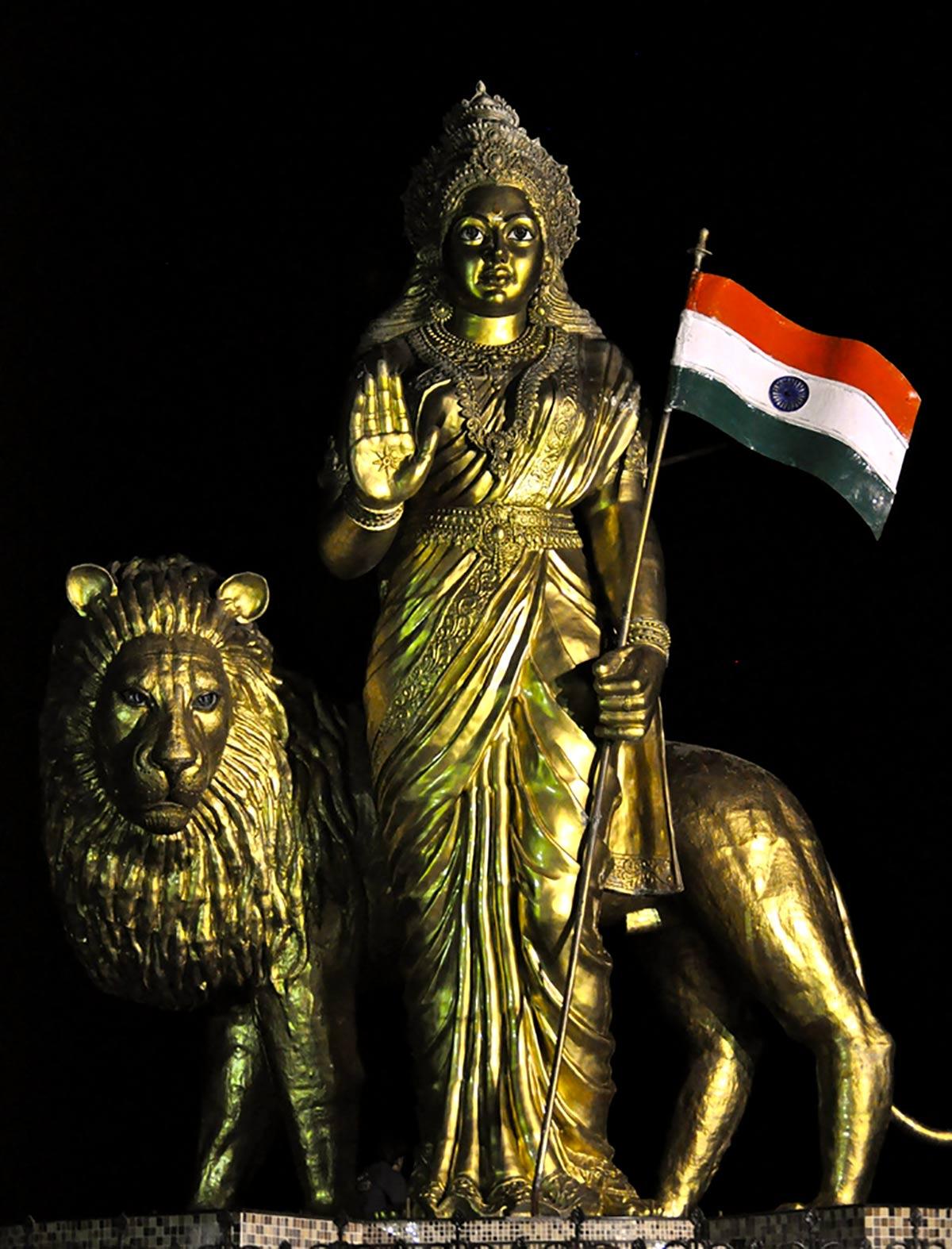
November 7 2025, marked the 150th year of India's revered national song, Vande Mataram.
Let's learn more about its history...
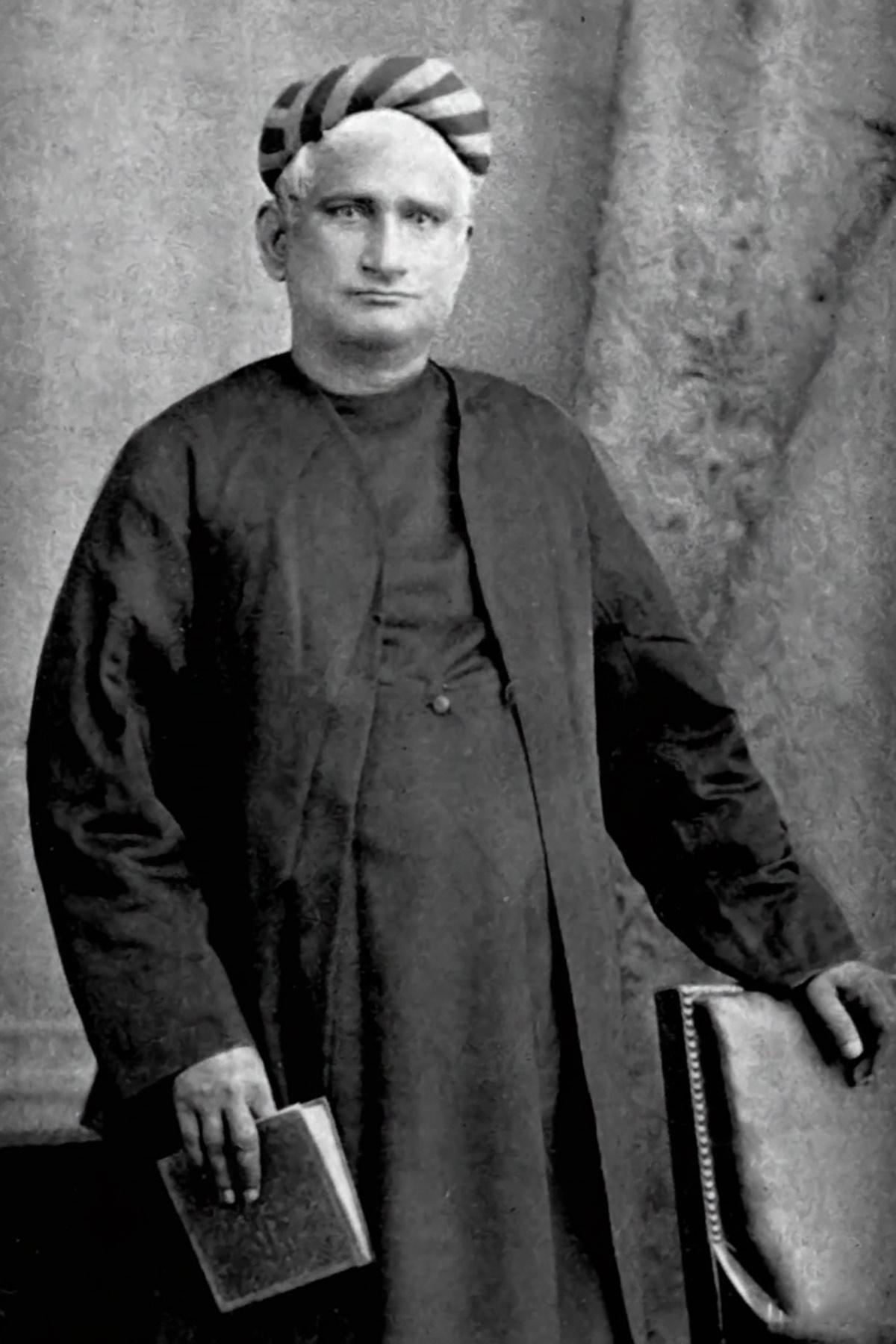
Photograph: Kind courtesy ramtanulahiribra00sastiala/Wikimedia Commons
1. Penned by novelist and poet Bankim Chandra Chatterjee in Bengali with ample use of Sanskrit words, Vande Mataram -- which means “Mother, I salute thee” -- first appeared in a journal named Bangadarshan in 1875.
Years later, Chatterjee immortalised it in his celebrated novel Anandamath, published in 1882, giving the nation not merely a song but a soul-stirring anthem of unity, devotion and patriotic pride.
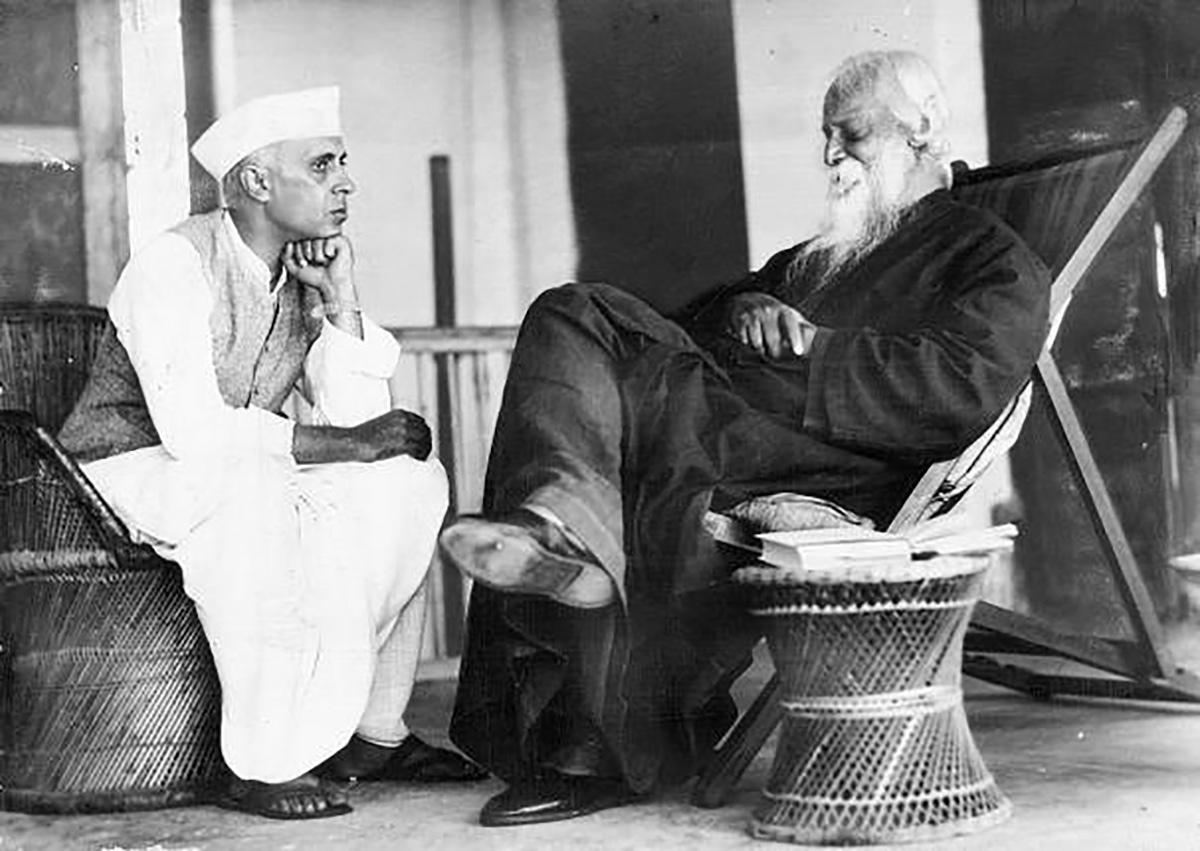
Photograph: Kind courtesy Royroydeb/Wikimedia Commons
2. Poet polymath Rabindranath Tagore gave the song political significance when he recited it at the Indian National Congress in 1896, and hardly a decade later it was the marching song of freedom fighters. It was Tagore who set it to music too.
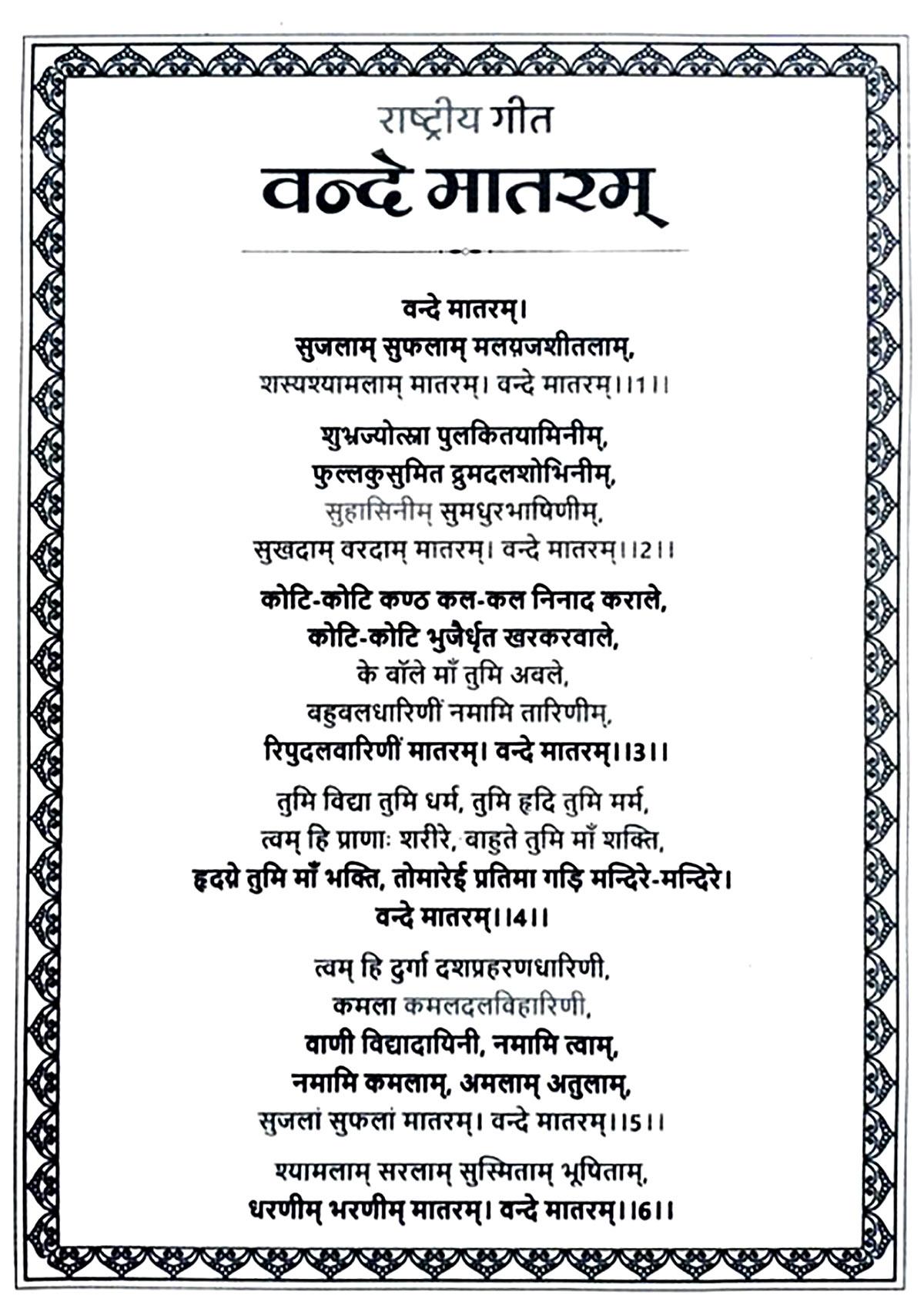
Photograph: Kind courtesy MP MyGov/X
3. In October 1905, in north Calcutta, the Bande Mataram Sampradaya emerged. It was a fraternity devoted to kindling a divine sense of duty towards the Motherland, transforming patriotism into a heartfelt act of faith and worship.
Photograph: Rediff Archives
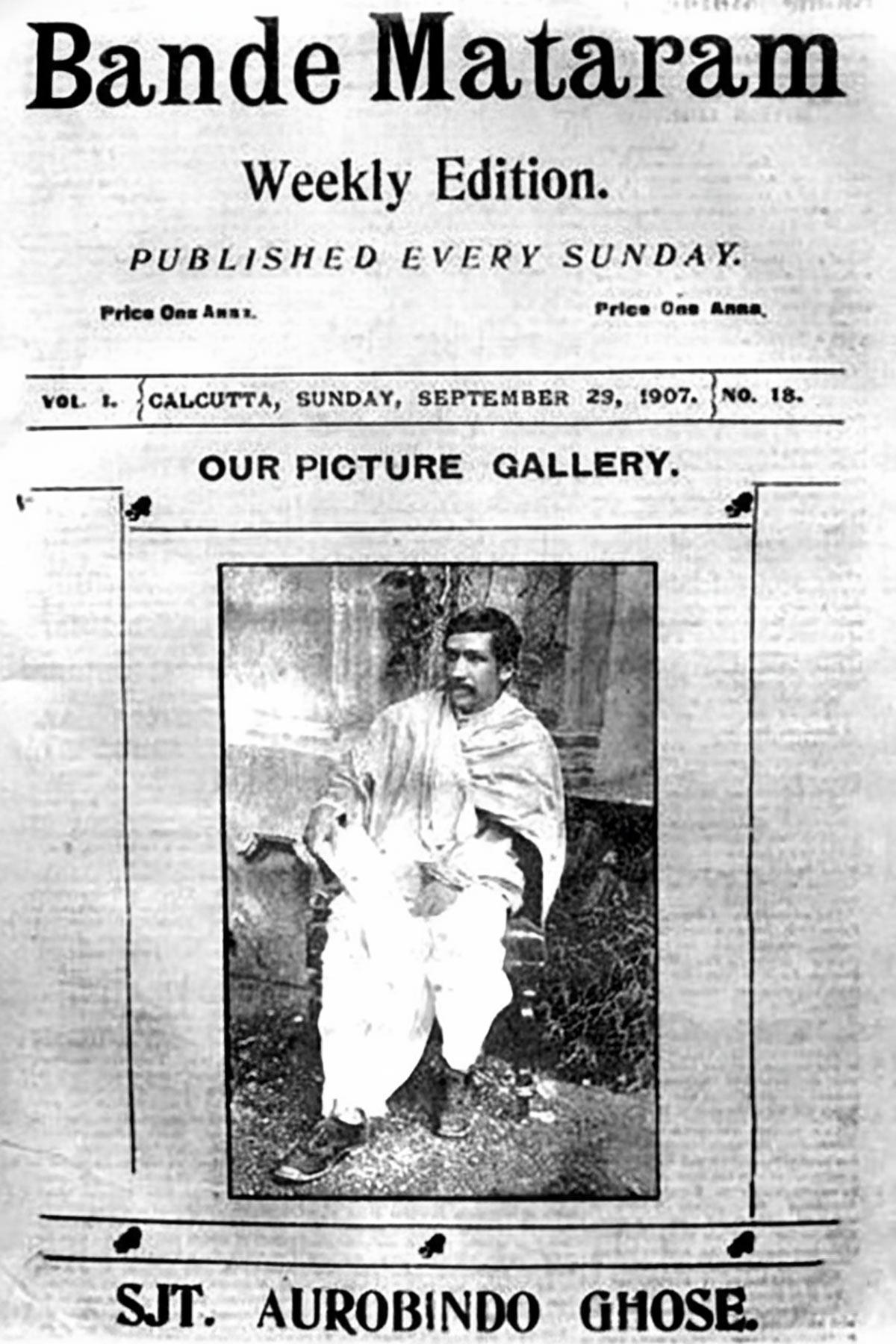
4. In August 1906, an English journal called Bande Mataram came into existence, first steered by writer and orator Bipin Chandra Pal, with yogi and nationalist Sri Aurobindo joining him at the editorial helm. Through its bold and stirring commentaries, the publication ignited a wave of national awakening.
Photograph: Kind courtesy Snehrashmi/Wikimedia Commons
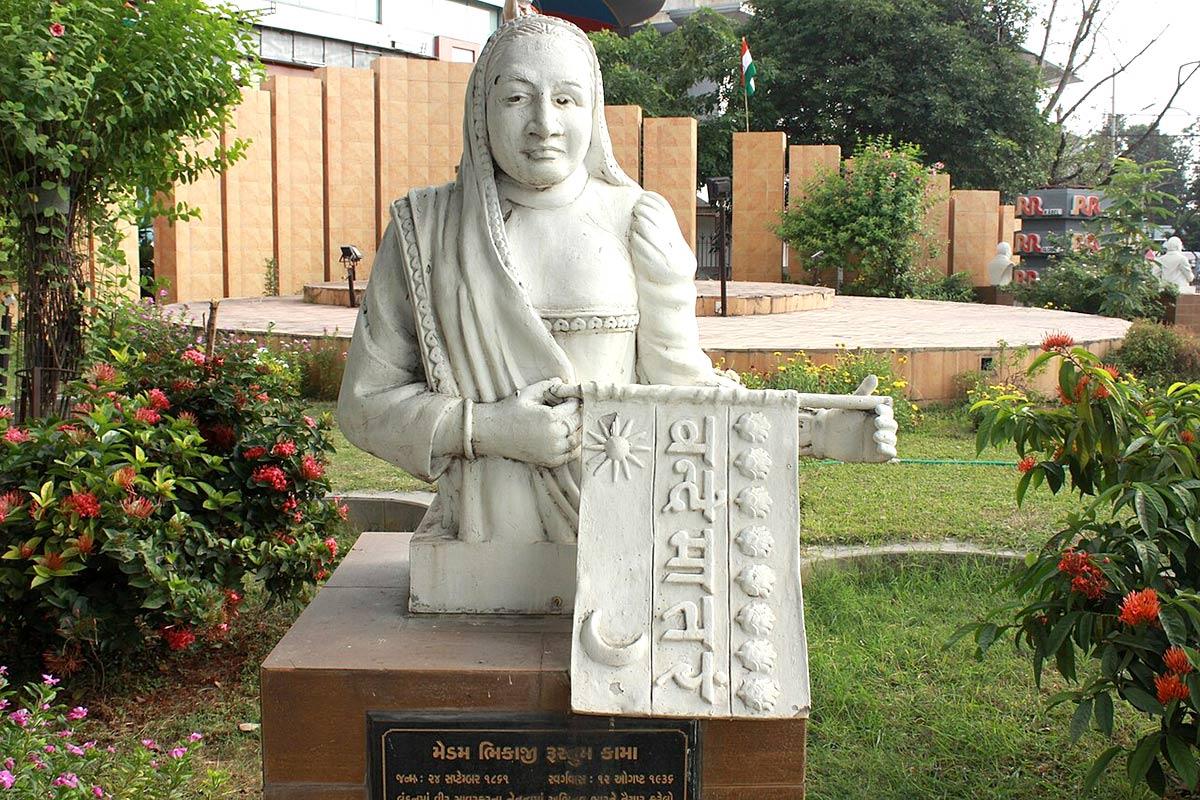
5. In 1907, nationalist Madam Bhikaji Cama unfurled the Indian tricolour on foreign soil at Stuttgart, Germany at the second International Socialist Congress. Embellished with the sacred inscription Vande Mataram, the flag stood as a radiant symbol of India’s aspirations for liberation.
Photograph: Kind courtesy Maharashtra Digital Archives/Wikimedia Commons
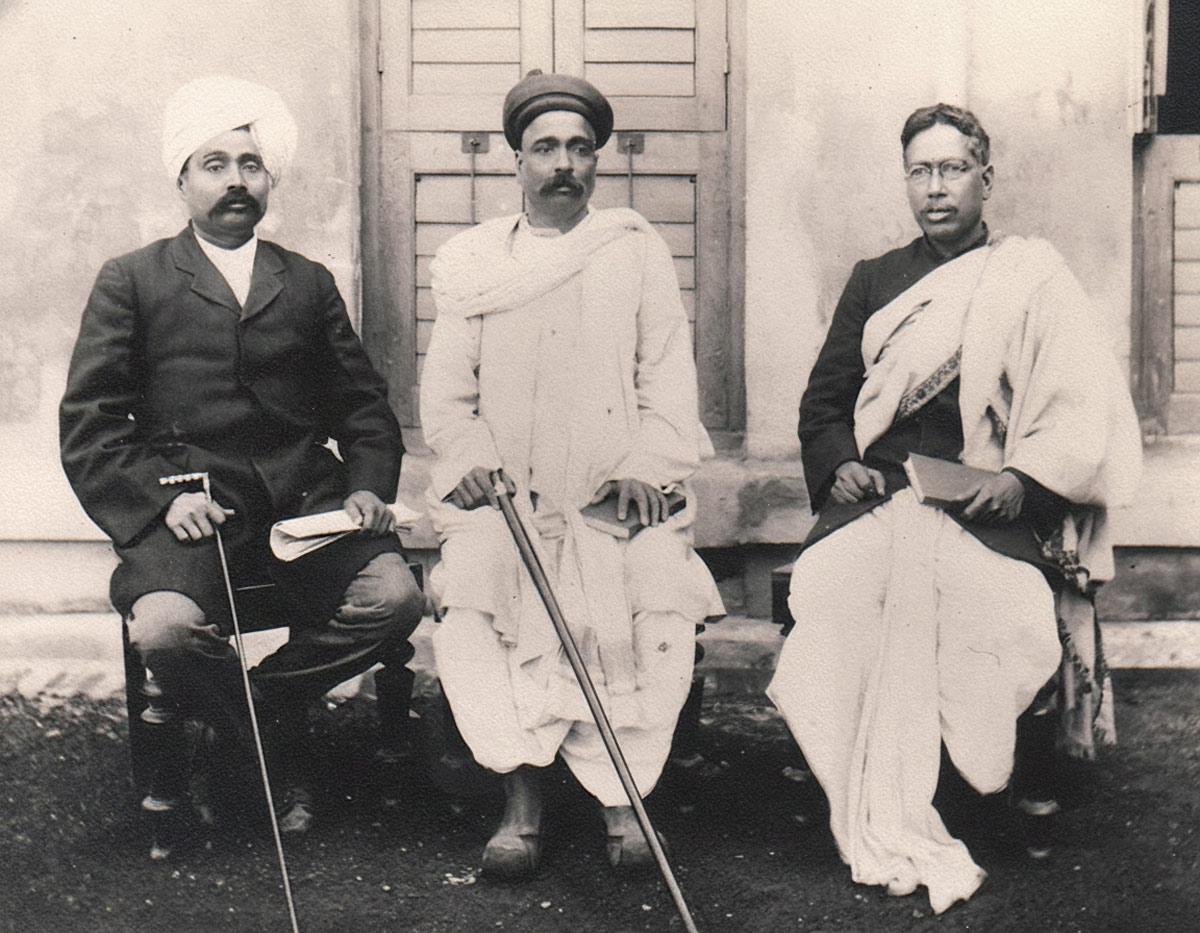
6. In 1908, from Belgaum in present-day Karnataka, independence activist Bal Gangadhar Tilak was exiled to Mandalay in Burma. Defiance trembled in the air. Young patriots, in unison, cried Vande Mataram and faced brutal assault and imprisonment by the authorities.
Photograph: Rediff Archives
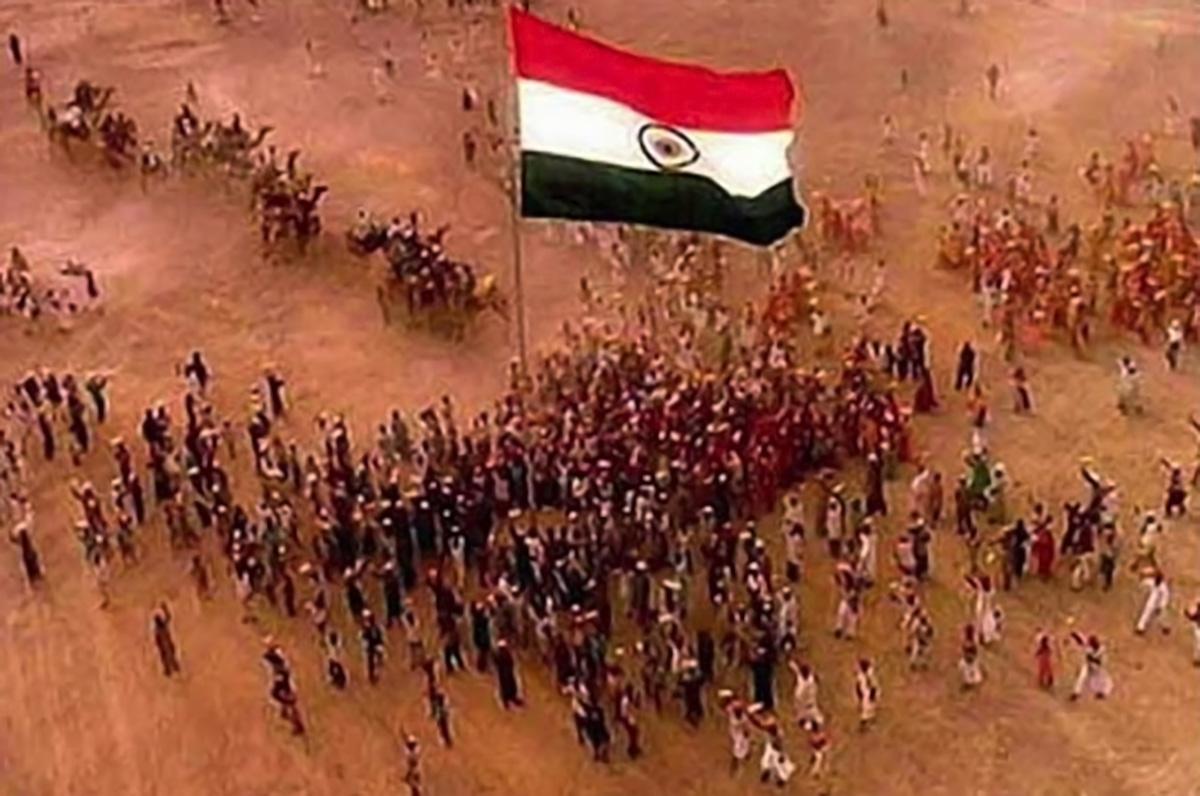
7. The first two stanzas of the poem, Vande Mataram were adopted by the Indian National Congress, the national movement, as the National Song of India in October 1937.
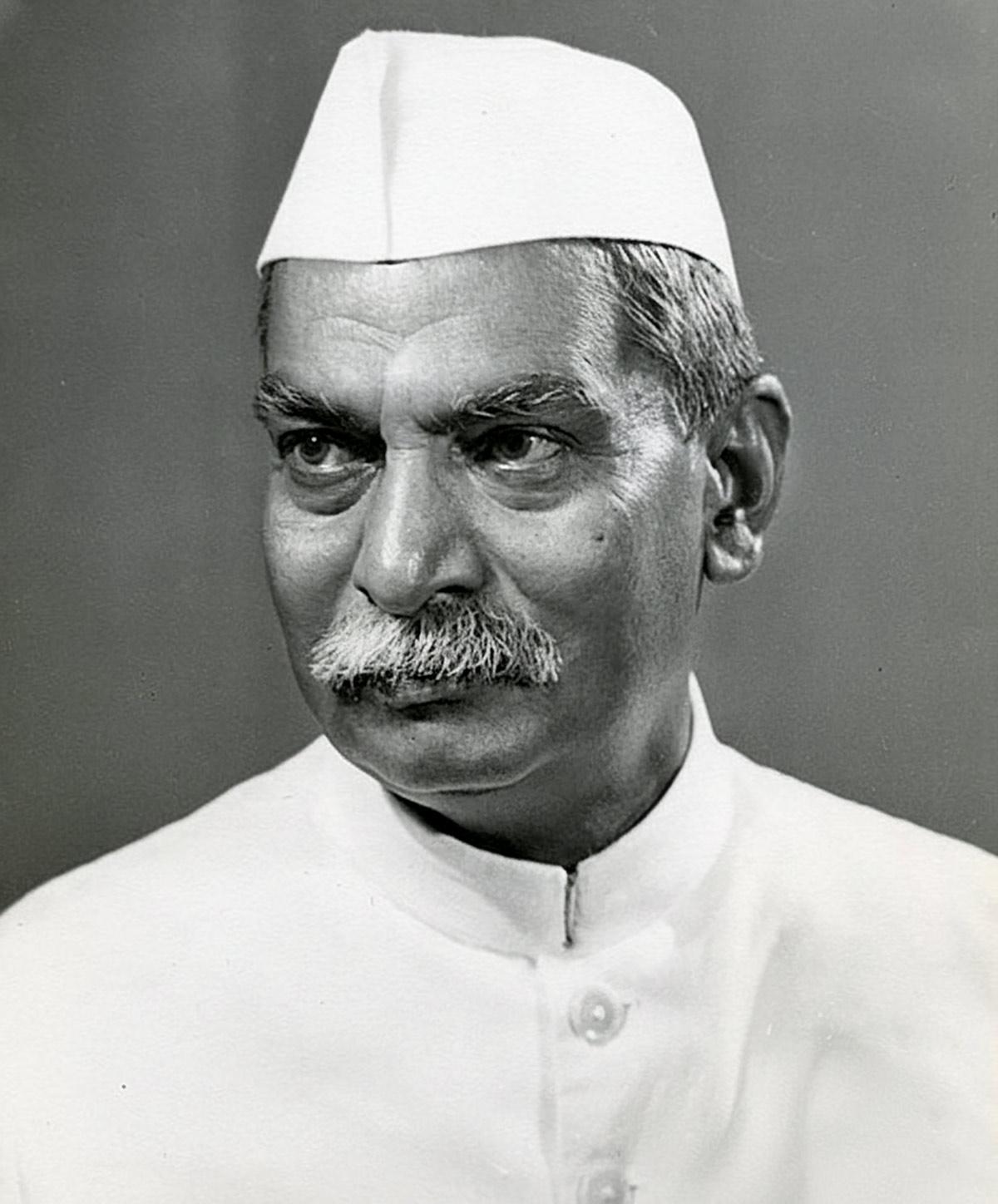
Photograph: Kind courtesy Archives New Zealand/Wikimedia Commons
8. On 24 January 1950, India's first president Dr Rajendra Prasad, in his address to the Constituent Assembly, proclaimed that Vande Mataram, having stirred countless hearts during India’s fight for liberty, must be accorded the equal esteem and recognition as our national anthem Jana Gana Mana.










 © 2026