

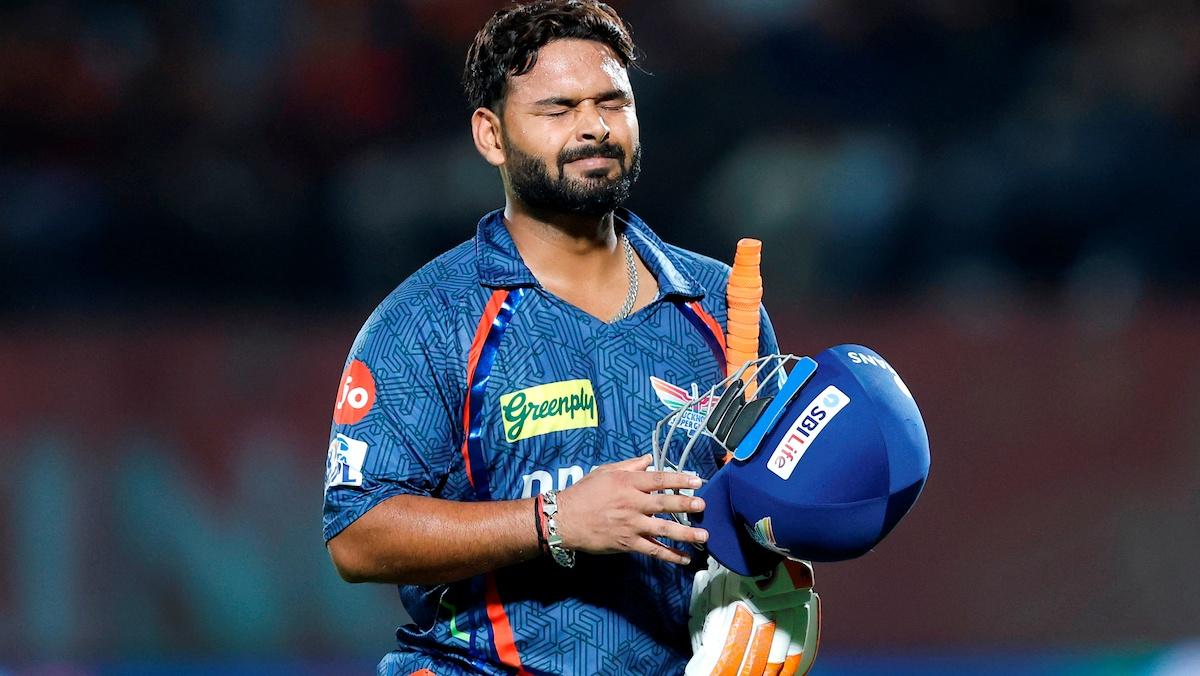
Across 18 IPL seasons, the league's biggest auction cheque has delivered a title just twice.
Time and again, the tournament has exposed a harsh truth: The costliest player rarely guarantees a championship.
The IPL rewards balance, timing, and squad depth over individual price tags -- a reality underscored at the IPL 2026 auction in Abu Dhabi, where Cameron Green became the most expensive overseas player in IPL history at Rs 25.20 crore (Rs 252 million), headlining an event where both international stars and domestic talents commanded life-changing sums.
Success in this league is rarely about a single superstar. Even in the rare cases where top buys contributed to a title, their impact was part of a larger team effort.
The IPL consistently rewards smart squad building, tactical flexibility, and balanced team composition over individual star power. So what exactly are franchises paying for when the bidding war begins?
2008: M S Dhoni (Rs 9.5 crore [Rs 95 million], Chennai Super Kings)
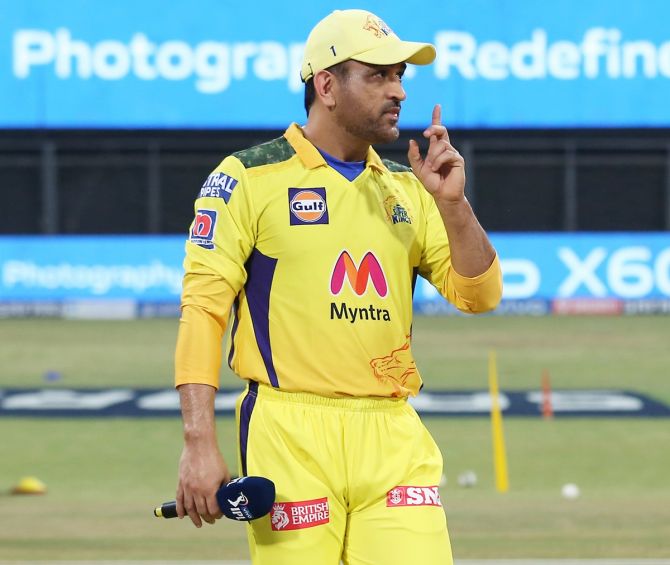
The inaugural auction's marquee signing, Dhoni became CSK's face from day one. He scored 414 runs in 16 matches at an average of 41.40 with a strike rate of 133.54.
While Chennai fell short of the title, Dhoni's calm finishing and tactical acumen laid the foundation for the franchise's long-term identity.
Rajasthan Royals proved that smart team balance and tactical clarity could outperform even the most expensive superstars.
2009: Kevin Pietersen (Rs 9.8 crore [Rs 98 million], Royal Challengers Bangalore)/Andrew Flintoff (Rs 9.8 crore, Chennai Super Kings)
Kevin Pietersen (RCB): Featured in 9 matches, scoring 93 runs at 15.50 (strike rate: 109.41). Injuries derailed his impact, preventing him from anchoring RCB's batting consistently.
Andrew Flintoff (CSK): Appeared in 3 matches, managing 62 runs at 31.00 and 2 wickets at an economy of 9.54. Fitness issues and inconsistent form left him unable to justify his hefty price tag.
Both English stars failed to deliver value. Deccan Chargers' triumph reinforced that cohesion and bowling depth mattered more than marquee names.
2010: Shane Bond (Rs 4.8 crore [Rs 48 million], Kolkata Knight Riders)/ Kieron Pollard (Rs 4.8 crore, Mumbai Indians)

Shane Bond (KKR): Played only 8 matches due to recurring injuries. Claimed 9 wickets at an economy of 7.22, showcasing lethal pace but unable to sustain impact.
Kieron Pollard (MI): Featured in 14 matches, scoring 273 runs at 22.75 (strike rate: 185.71) and taking 15 wickets. Still developing as an all-rounder, he couldn't influence the title race meaningfully.
CSK's balanced squad and role clarity propelled them to their first IPL title while both high-profile buys struggled.
2011: Gautam Gambhir (Rs 14.9 crore [Rs 149 million], Kolkata Knight Riders)

Gambhir justified his price with a stellar campaign. He scored 378 runs in 15 matches, including 2 fifties. His consistency at the top provided KKR stability, while his leadership began shaping a winning culture.
Despite KKR not winning the title, Gambhir's impact on and off the field was undeniable.
CSK's back-to-back triumph again proved continuity and balance often outweigh marquee spending.
2012: Ravindra Jadeja (Rs 12.8 crore [Rs 128 million], Chennai Super Kings)
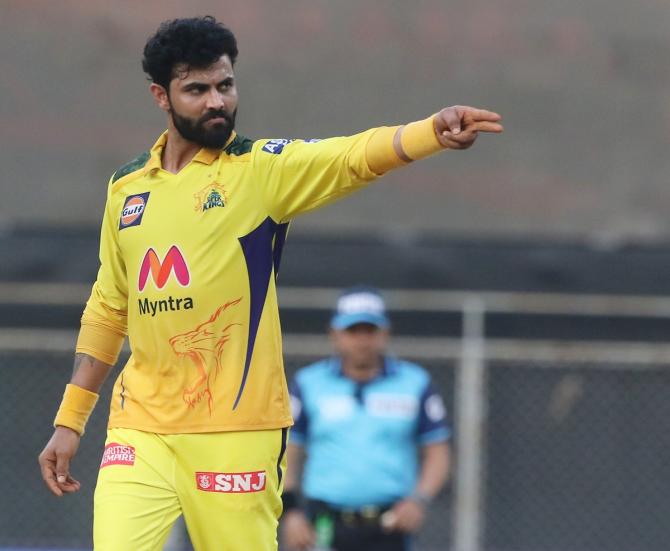
Jadeja had a modest season, struggling under the weight of his hefty price tag. He scored 191 runs in 19 matches at 15.91 and took 12 wickets at an economy of 7.80.
While his all-round potential was evident, consistency eluded him.
Meanwhile, KKR claimed its first IPL title through a settled core and intelligent use of overseas bowlers.
2013: Glenn Maxwell (Rs 6.3 crore [Rs 63 million], Mumbai Indians)
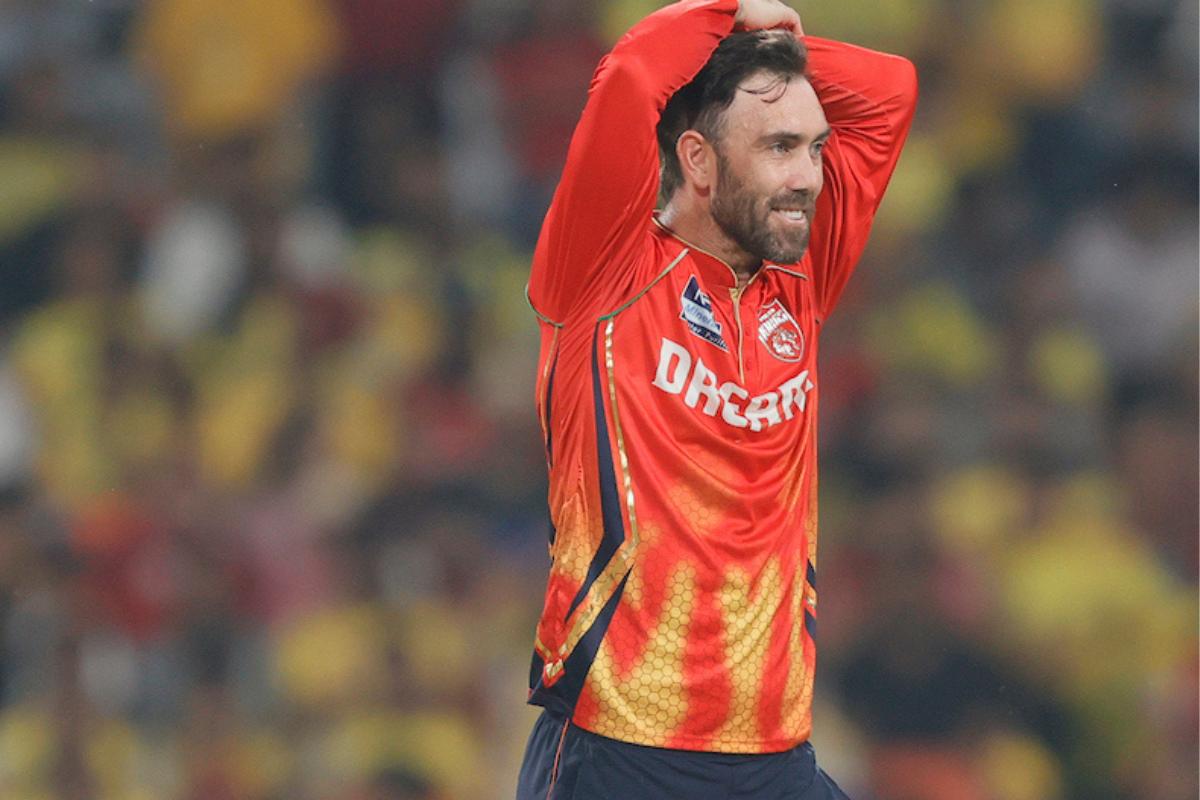
Maxwell endured a quiet IPL 2013, playing 3 matches and scoring just 36 runs at 18.00 (strike rate: 133.33).
Mumbai Indians' title was powered by team cohesion and key performances from others -- proof that the costliest buy doesn't always dictate success.
2014: Yuvraj Singh (Rs 14 crore [Rs 140 million], Royal Challengers Bangalore)
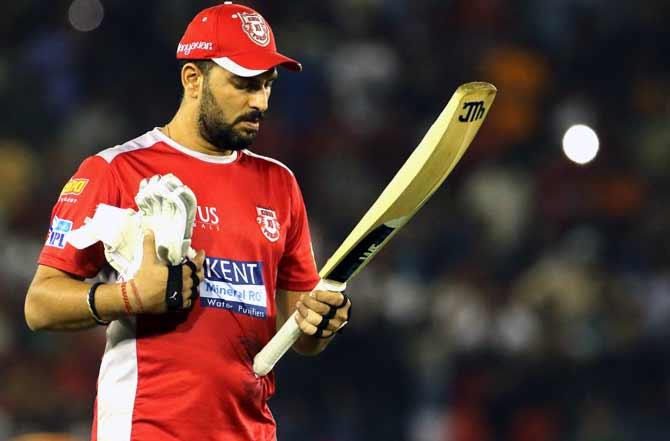
Yuvraj had an inconsistent season, playing 14 matches and scoring 376 runs at 34.18 (strike rate: 135.25), including 3 fifties. He picked up 5 wickets at an economy of 8.25. While he showed flashes of his T20 prowess, RCB fell short. KKR clinched the IPL 2014 title instead.
2015: Yuvraj Singh (Rs 16 crore [Rs 160 million], Delhi Daredevils)
The most expensive player at the time, Yuvraj scored 248 runs in 14 matches. Despite some impactful innings, he couldn't carry Delhi Daredevils to the title.
Mumbai Indians won IPL 2015, showcasing how team balance, depth, and consistent contributions outweigh marquee signings.
2016: Shane Watson (Rs 9.5 crore [Rs 95 million], Royal Challengers Bangalore)

Watson played a mixed season, scoring 179 runs in 16 matches, while taking 20 wickets.
Despite his all-round contributions, Sunrisers Hyderabad clinched their maiden IPL title.
2017: Ben Stokes (Rs 14.5 crore [Rs 145 million], Rising Pune Supergiant)
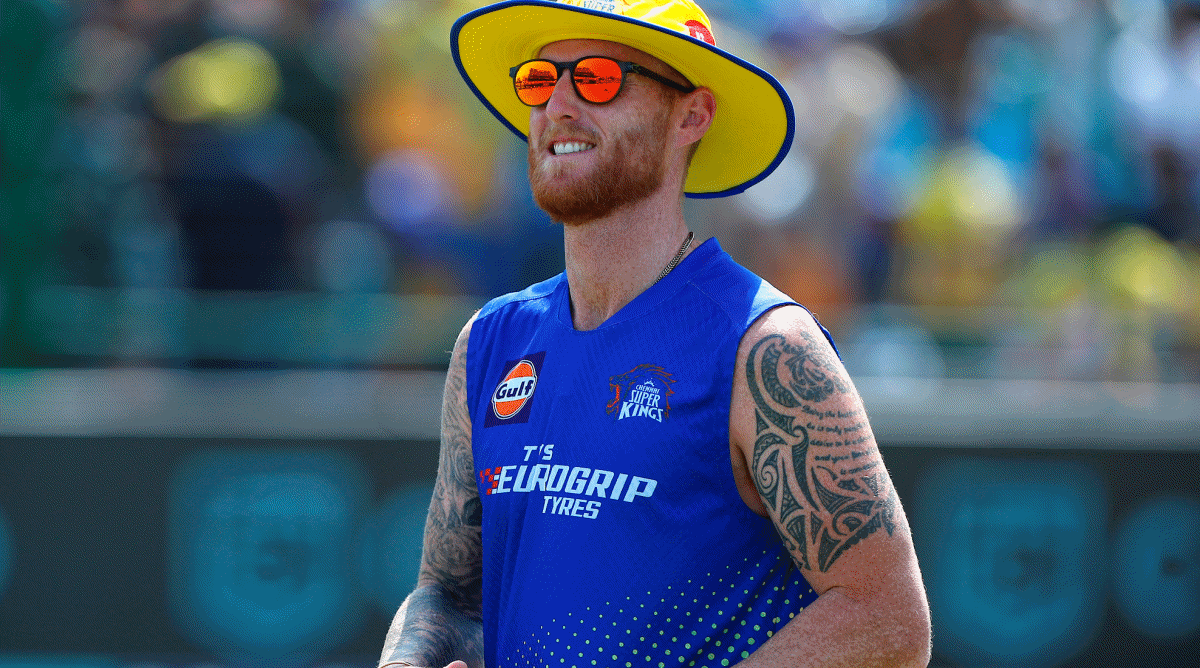
Stokes impressed in patches, scoring 316 runs in 12 matches at a strike rate of 142.98 and taking 12 wickets.
Rising Pune Supergiant narrowly missed the title, losing in the final to Mumbai Indians. Stokes' individual brilliance couldn't replace overall team cohesion.
2018: Ben Stokes (Rs 12.5 crore [Rs 125 million], Rajasthan Royals)
Returning with Rajasthan Royals, Stokes contributed 196 runs at 16.33 and took 8 wickets across 10 games.
Despite flashes of brilliance, Chennai Super Kings won IPL 2018.
2019: Jaydev Unadkat (Rs 8.4 crore [Rs 84 million], Rajasthan Royals)/Varun Chakravarthy (Rs 8.4 crore, Punjab Kings)
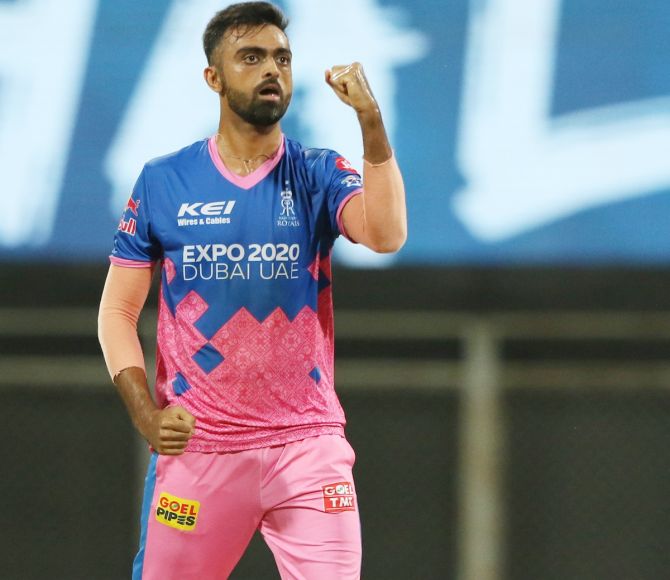
Unadkat struggled, taking only 10 wickets in 11 matches.
2020: Pat Cummins (Rs 15.5 crore [Rs 155 million], KKR)

Cummins scored 146 runs in 14 innings and took 12 wickets, showing glimpses of all-round ability.
Mumbai Indians won IPL 2020, demonstrating that structured teams with defined roles outperform expensive stars.
2021: Chris Morris (Rs 16.25 crore [Rs 162.5 million], Rajasthan Royals)

Morris contributed 15 wickets in 11 matches before injury struck, highlighting the risk of paying top dollar for a single match-winner.
Chennai Super Kings emerged as IPL 2021 champions.
2022: Ishan Kishan (Rs 15.25 crore [Rs 152.5 million], Mumbai Indians)
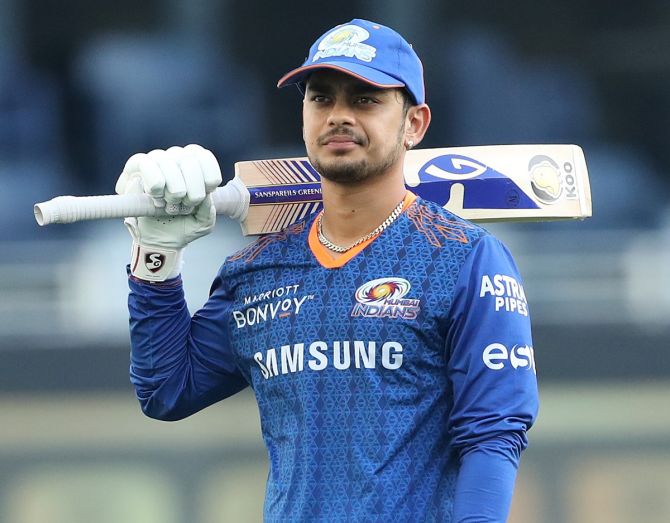
Ishan Kishan managed 418 runs in 14 matches at a strike rate of 120.11, but his returns never matched the weight of his price tag.
Mumbai Indians endured a disastrous IPL 2022 campaign, finishing bottom of the points table after losing their first eight matches and struggling for cohesion throughout the season.
In stark contrast, Gujarat Titans lifted the trophy in their debut year.
2023: Sam Curran (Rs 18.5 crore [Rs 185 million], Punjab Kings)
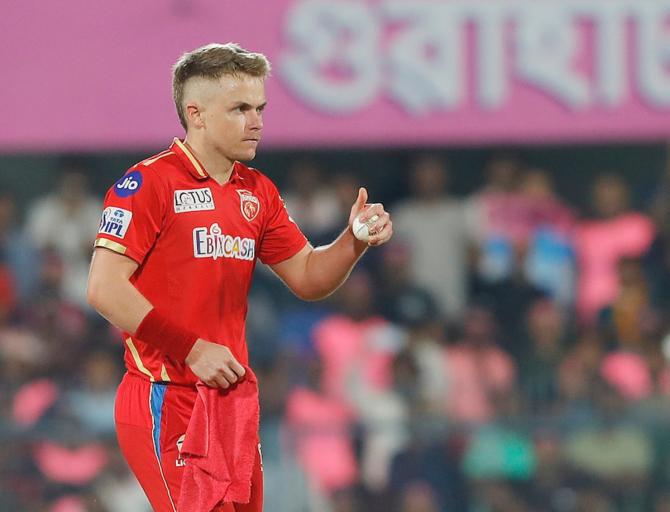
Curran scored 276 runs in 14 matches at a strike rate of 135.96 and took 10 wickets -- an all-round performance that helped PBKS reach the playoffs.
Chennai Super Kings won the title.
2024: Mitchell Starc (Rs 24.75 crore [Rs 247.5 million], Kolkata Knight Riders)

Starc took 17 wickets in 14 matches, showcasing lethal pace but inconsistency on flat pitches. He delivered when it mattered most, playing a decisive role in KKR's title win - one of the rare seasons where the costliest player truly justified the investment.
2025: Rishabh Pant (Rs 27 crore [Rs 270 million], Lucknow Super Giants)
Pant scored 269 runs in 14 innings at an average of 24.45 and a strike rate of 133.16, though he did finish the season with a brilliant century against RCB.
LSG fell short in the league stage, failing to make the playoffs. RCB won their maiden IPL title, defeating Punjab Kings in the final.
Pant's brand value remained high, but on-field returns were inconsistent, highlighting the risk of investing heavily in a single marquee player. His performance drew criticism despite occasional flashes of brilliance.








 © 2026