
Overpopulation is the biggest threat to our planet. The rising population has led to a scarcity of resources and degradation of the environment.
The situation will become so grave that future wars will be fought over food and water.
Climate change will lead to huge disasters as meeting the food target would become impossible with rising temperatures, droughts and untimely rains.
The high levels of consumption by a booming population are a huge drain on the planet's precious resources.
As the world's population hits 7 billion, the United Nations has urged the global community to save the planet, invest in health and education of its youth.
...

Japan has the world's tenth-largest population, with over 127 million people.
...
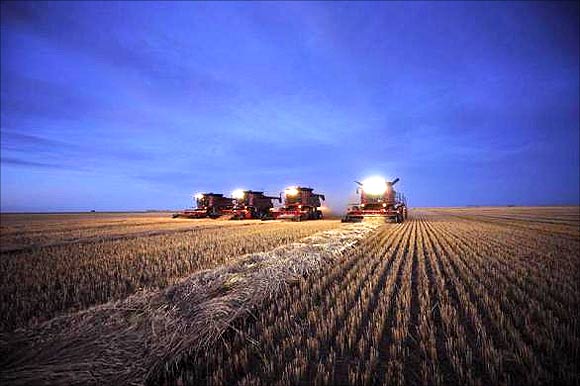
The number of people living in poverty has risen to more than 44 million worldwide since June 2010. Overall, close to 3 billion people live on less than $2.5 a day.
Even as half of humanity struggles to figure out where its next meal might come from, the latest World Bank report dedicated to food prices is also not encouraging at all.
In four months from October 2010 until January 2011, food prices have seen a sharp increase. Global inflation has accelerated in most regions.
...
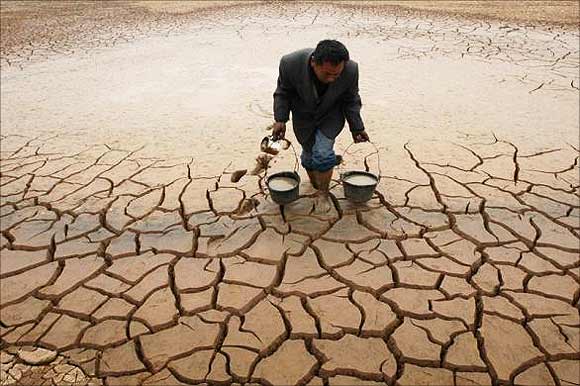
Only 3 per cent of water on the planet is potable, so overpopulation will trigger problems as millions of people across the globe will go thirsty.
The arable land is shrinking which means the amount of crop produced will decrease with time.
...
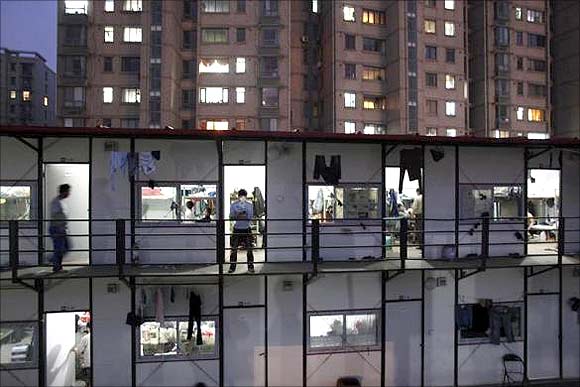
Americans represent only 4 per cent of world population, yet consume 25 per cent of the world's resources. The available resources will not be sufficient to meet the demand of rising population.
The fast paced growth in industrialised countries contribute to climate change and environmental degradation.
The average births per year as of 2011 stand at 139,558,000. According to the World Bank, the global price of food has risen 36 per cent over the past 12 months.
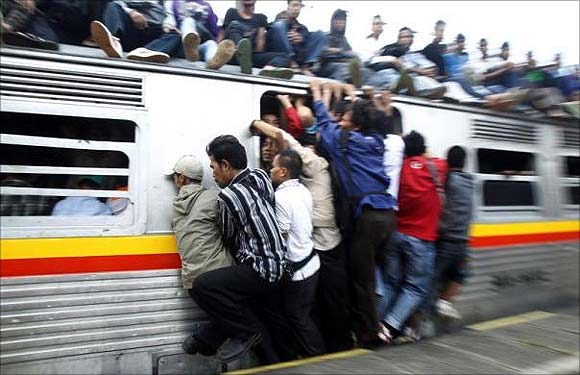
The migration of people from underdeveloped and rural areas to big cities has triggered a population explosion in developed areas.
...
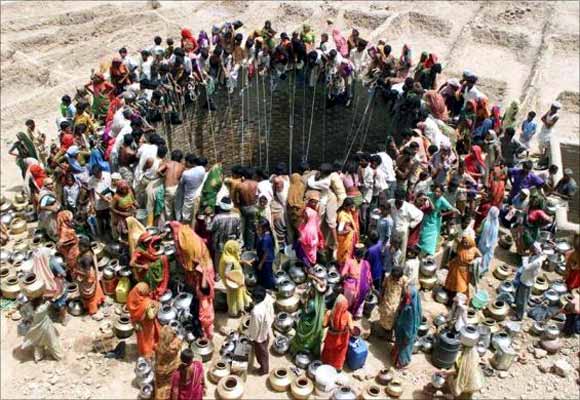
The United Nations estimates that by 2050 more than two billion people in 48 countries will suffer due to scarcity of water.
About 98 per cent of the water on Earth is salt water. Most of the remaining freshwater is frozen in glaciers.
Lakes, rivers and groundwater account for about 1 percent of the world's potentially usable water.
...
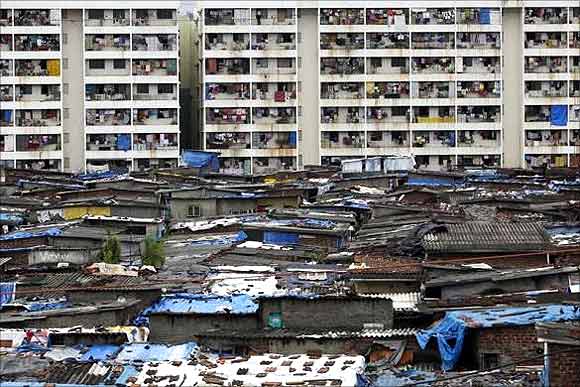
The population figure is expected to exceed 9 billion by 2050. India is projected to overtake China as the world's most populous nation by 2030.
As cities like Mumbai fail to accommodate the millions who have migrated to the city, slums are sprawling.
...
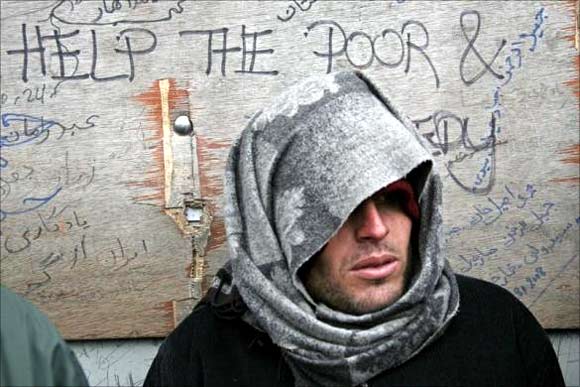
According to the World Bank, 44 million more people around the globe have been pushed into extreme poverty since last June because of rising food prices.
...

The US population is growing. It is projected to increase to 392 million by 2050.
...
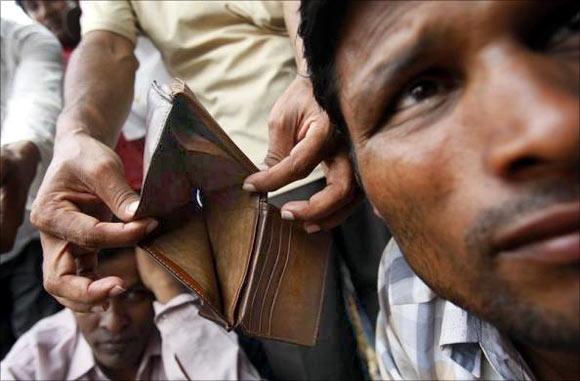
Bangladesh has the highest population density in the world.
...
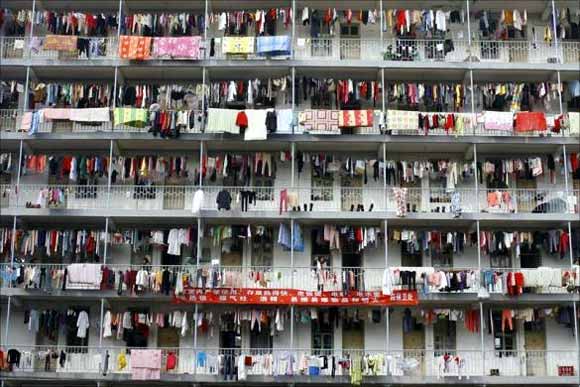
China is the world's most populous nations with over 1.3 billion people.
It is reported that the 'one-child policy' prevented an additional 400 million births.
...
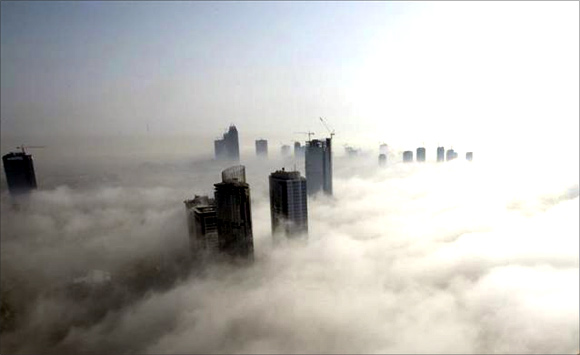
Air pollution kills nearly 3 million people. Air pollution is becoming a grave crisis as urban population and the number motor vehicles zoom.
...
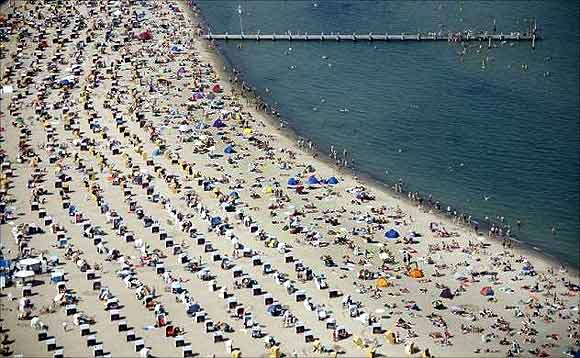
The global life expectancy is projected to rise from 69 years worldwide this year to 76 in 2050.
Nearly a quarter of the world's population is expected to be over 60 by that time.
...
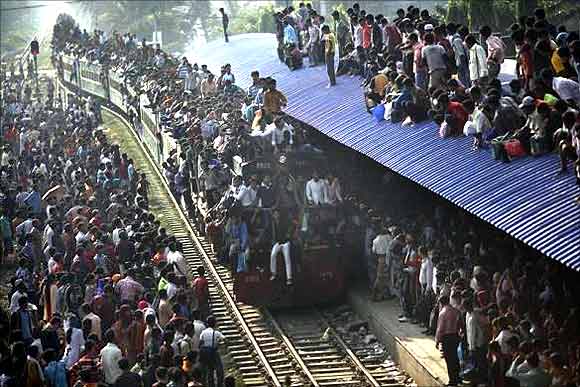
Cities and towns are expanding at a fast pace, polluting air, water and farmlands.
Over 2 billion hectares of arable land have already been lost, with 16 million more hectares getting depleted each year.
The Third World, with over three quarters of the world's people, would double its numbers in about 33 years.
...
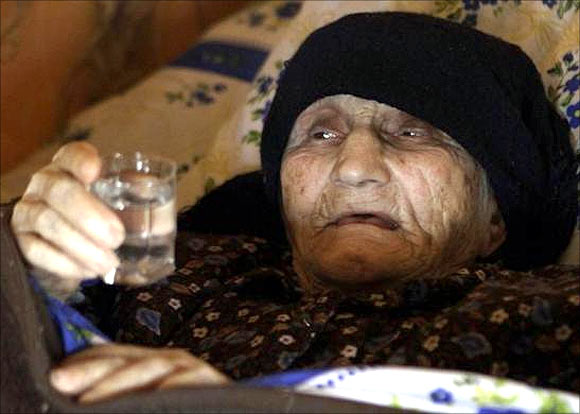
Besides, water and food, the scarcity of resources will hit health services, jobs and basic amenities across the world.
In the poorest households, many are paying 15 per cent more for food than they did last year.
...

Population grows fastest in the world's poorest countries. High fertility rates have are correlated with poverty.
...
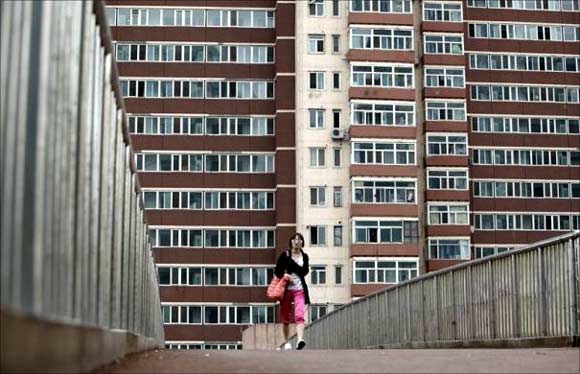
About 95 per cent of the world's cities continue to dump raw sewage into rivers and other freshwater supplies, making them unsafe for human consumption.
...
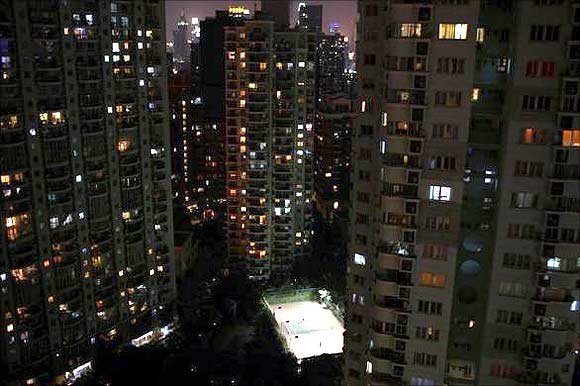
The world's projected population growth calls for an increase in efforts to meet the needs for food, water, health care, technology and education.
...
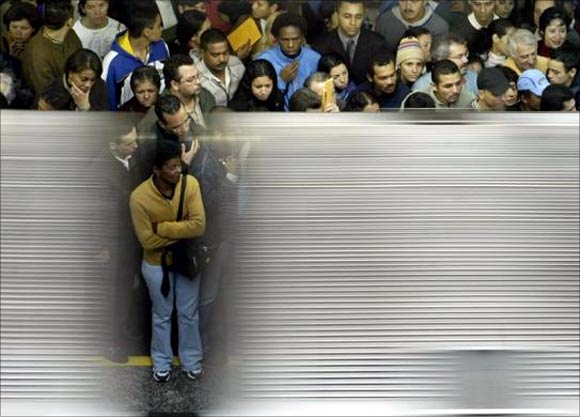
In the poorest countries, massive efforts are needed to keep social and economic conditions from deteriorating further.
...
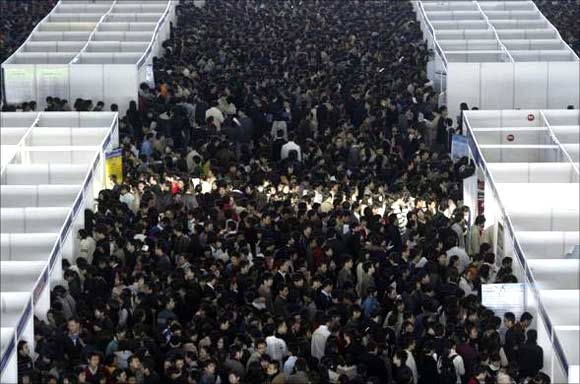
People aged under 24 make up over half of the world's population of 7 billion people while the proportion of people aged over 60 set to double by 2050 to 22 per cent of the world's population.
...

Rich and poor countries alike are affected by population growth, though the population of industrial countries are growing more slowly than those of developing nations.
The population of economically developed countries would double in 120 years.
 © 2025 Rediff.com - Investor Information - Advertise with us - Disclaimer - Privacy Policy - Feedback - About us - Terms of use - Grievances